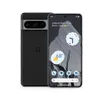
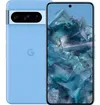
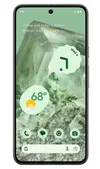
The Google Pixel 9 Pro XL is sending an unnerving amount of user data back to Google, according to a new report. According to Cybernews, the flagship device is sending back data packets containing personal information like location and network status up to every 15 minutes.
The issue here is that researchers intercepted the data flow between the phone and Google's servers by using a "Man in the Middle" technique. Thanks to this they discovered that all the user info is sent to an endpoint called "auth."
The report states that Pixel 9 phones regularly check in with Google, and share details like firmware version, network type, carrier information and even the users' email. It also notes that the phone will even connect to Google Photo's Face Grouping feature regardless of whether it has been granted permission. However, it should be noted that this level of data sharing isn't Google-specific, in truth most phones do it to some degree including iPhone and Samsung. The issue is that Pixel users are given no options about what data should be shared.

Google has spoken out about the report, with a spokesperson stating: "User security and privacy are top priorities for Pixel. You can manage data sharing, app permissions and more during device setup and in your settings. This report lacks crucial context, misinterprets technical details and doesn't fully explain that data transmissions are needed for legitimate services on all mobile devices regardless of the manufacturer, model or OS, such as software updates, on-demand features and personalized experiences."
It should be noted that, while the amount of data transferred is concerning, the Pixel 9 phone is also well protected against hackers. This is mostly because of improvements made to the phone's baseband that make it much harder to break into and allow the device more control over what data is used and where. However, this didn't stop a recent fault that saw a hidden app installed on Pixel 9 phones from Verizon. However, we would always recommend investing in one of the best VPNs to be safe.
Google is known to be committed to keeping devices safe, but this transfer of data might be a turnoff for a lot of consumers. However, the Google Pixel 9 series still contains some of the best phones currently available.
More from Tom's Guide
- iPhone SE 4 vs. Google Pixel 9a: Which budget phone will win?
- OnePlus 13 launch timing confirmed by OnePlus exec — what you need to know
- Android 16 tipped for huge multitasking upgrade that beats the iPhone