







Composting is a perfect way to turn organic matter into fertile soil to feed our gardens and improve lawncare. Not only does it help to reduce your kitchen and garden waste such as grass clippings, but it’s also great for the environment.
And while we might think it’s fine to compost all yard waste, you’ll need to know if you should compost weeds. Surprisingly, there are certain things you should never throw on the compost heap, and there’s still much confusion over whether you can dump weeds or not.
Unsightly weeds can be every gardener’s nightmare, especially if you have invasive types, and it's always being aware of viral weeding hacks to avoid, which could cause more harm than good. In addition, weeds can soak up valuable nutrients in your soil, affecting nearby plants or flower beds from thriving. So after the task of getting rid of weeds, the compost heap does seem the obvious place to put them all in. But is this the best option for disposing of them?
Luckily, we have experts at hand to shed light on this common dilemma. So, before you throw your yard waste onto the pile, find out if you should compost weeds, according to the experts.
If you’re new to the world of composting, check out these top composting tips. And be sure not to make any of these composting mistakes along the way.
Should you compost weeds?
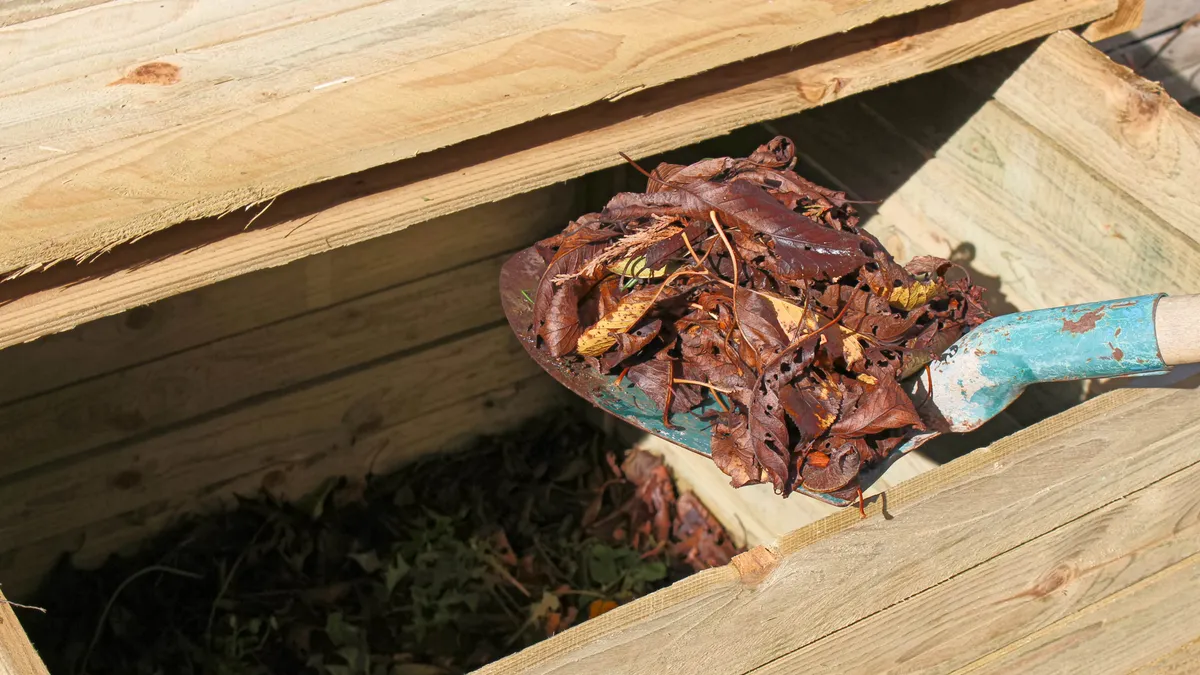
According to experts, the general consensus is yes — you can compost common weeds in your yard. Composting weeds can create great soil fertilizer, and helps to retain moisture around plants or shrubs. In some cases, soaked weeds in water can also be made into a liquid fertilizer to spray on your plants in your yard. “Any organic matter can be used for compost and in fact composting weeds may be a great way to return those nutrients back into the soil,” says Scott Porteous, Robotics Product Manager, Husqvarna Group. "Make sure you agitate the compost pile regularly, and within a few weeks you’ll have a great source of fertilizer that you can use in garden beds and anywhere you want to bring nutrients back to the top soil."
Before composting weeds however, it’s advisable to chop up or shred them down into tiny pieces. This will make the weeds break down faster in the compost heap. You can either use one of the best pruning shears, or even your lawn mower can do the job. “Anytime you compost organic matter make sure that matter is broken into "compostable" sized piece," Porteous says. "That goes for any kind of yard waste."
In addition, don’t compost weeds that have gone to seed. Most annual weeds are fine when added to a cool compost pile before they mature and set seed. However, if you throw those same weeds after their flower heads have produced thousands of seeds, you might have a weed epidemic on your hands when it comes to composting the soil later on. So be sure not to compost weeds that have gone to seed, and instead throw these in the trash.
What’s more, some gardeners actually encourage leaving some weeds to grow in certain areas of your yard. “Gardeners who utilize the hidden talents of weeds can significantly improve their outdoor spaces,” says Chris Bonnett, gardener and founder of GardeningExpress.co.uk.
“Instead of getting consumed with tearing weeds out of your lawn, consider leaving them alone and let nature reclaim its place in your garden. Embracing weeds can help support biodiversity, enhance the soil and conserve water. Just keep in mind that weeds can quickly overgrow, so it’s important to not let them take over the garden.”
3 weeds you shouldn’t compost
However, there are certain weeds that should not be composted due to their invasive nature. Typically, these include Japanese knotweed, dandelions, couch grass, bindweed and creeping buttercup. If you’re unsure whether or not you have knotweed or any other types in your yard, it’s always best to get in touch with an experienced gardener.
1. Japanese Knotweed

Notoriously invasive, Japanese Knotweed is a fast-growing shrub-like perennial, and every homeowner’s nightmare. It can reach up to 9 feet tall, growing at a rate of 4 inches per day, and is challenging to remove. In fact, having knotweed in your yard can damage surrounding structures, or even devalue your home if you’re trying to sell!
Instead of germinating through seeds however, Japanese Knotweed spreads via rhizomes found in the soil. It’s also hardy, surviving hot and cold climates — but grows best in damp conditions.
Should the soil be disturbed, it can easily carry fragments of the Japanese Knotweed with it and grow a fresh plant all too quickly. That’s why it’s best not to try and pull these out yourselves, and call in a professional gardener
2. Dandelions
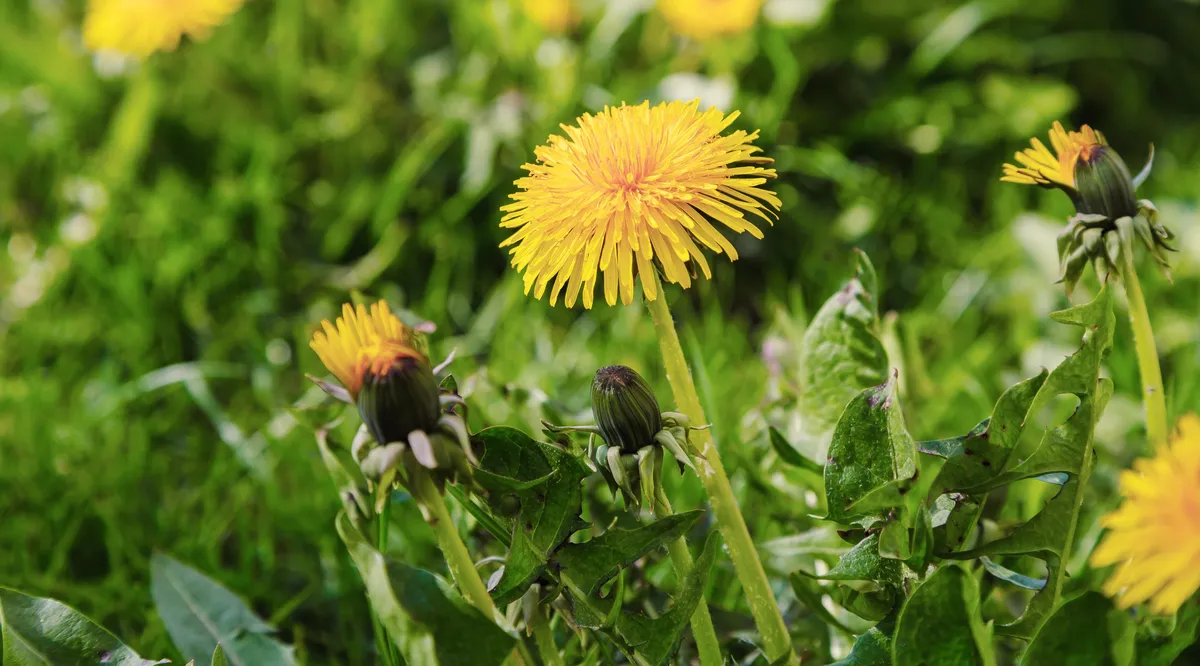
Dandelions are a common yard weed, and can disrupt the lush condition of your lawns. And while you generally can compost dandelions, just make sure they don’t have their roots attached.
If you compost dandelions with their roots attached, they will have a tendency to regrow over time in the heap, and will be put back into the soil when you come to use it around the yard. Red-seed dandelion in particular can grow quickly, and flower 8 to 12 weeks after seeds germinate.
It’s always best to leave these out of the compost heap altogether — to save you the hassle.
3. Bindweed

Similarly, bindweed is another perennial weed with highly invasive root systems. Bindweed is known to grow over a metre a year, with stems that can reach several metres high.
If bindweed is thrown into the compost heap, the seeds will still be active and will end up spreading roots in your healthy compost. In fact, bindweed roots are so invasive they can grow through turf in your yard, so it’s best to dispose of these in a garden waste bag.
How long do weeds take to decompose?
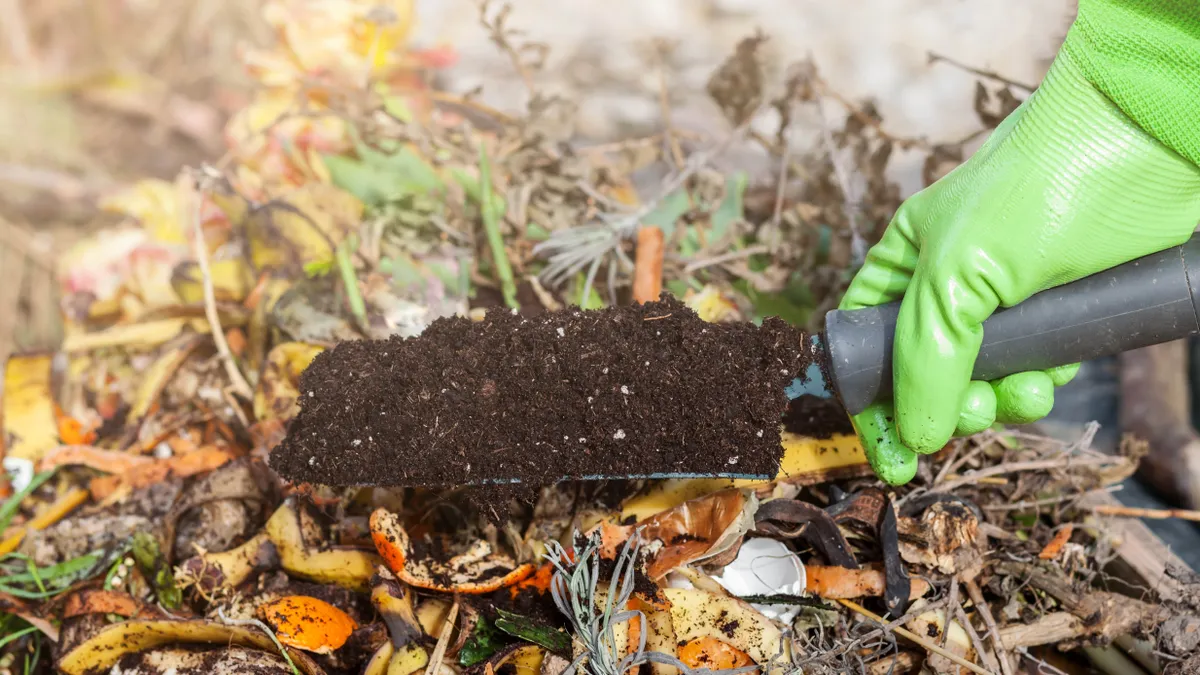
Typically, it takes up to two years to fully compost in a cold compost heap. However, chopping up or shredding the weeds will make them break down faster. Other factors that impact the decomposition rate is the type of organic matter, and whether they're being composted in a bin, heap, or tumbling composter.
Essentially, composting is a process where organic waste is broken down (or "eaten"), by naturally occurring microorganisms like worms, sowbugs, and nematodes. These beneficial insects break down the waste, changing its structure to create a healthy feed for soil, plants and homegrown crops.
For more top tips check out our composting tips that everyone needs to know.
More from Tom's Guide
- Here’s 7 ways to prevent weeds from invading your yard
- Also check out 5 surprising reasons you should let weeds grow in your yard
- Plus, 7 ways to kill weeds naturally

