When I first heard about 'gray water', I figured it was some sort of concoction you came up with using a dirty paint palette. It turns out it's a lot simpler.
Produced from wastewater from everyday tasks like washing up, washing yourself or even washing machine water, it's the water we'd perhaps regard as murky. But, while it's served its purpose there can be benefits to saving it before it disappears down the drain.
In fact, taking this gray water into your garden is an incredibly sustainable way of re-using it, especially during the summer months. But, it turns out using it can be a bit of a...ahem, gray area. Sorry.
While gardening experts recommend the use of this water, it's not always clear if it's good or bad for your plants and grass.
The experts at GardenBuildingsDirect.co.uk explain that it's "a great way to save water in the short term, not a diet your plants should be regularly fed".
And while it's usually safe to use, there are rules you should follow to make sure it definitely is. Thankfully, the experts are more than happy to share them with us.
What is gray water?
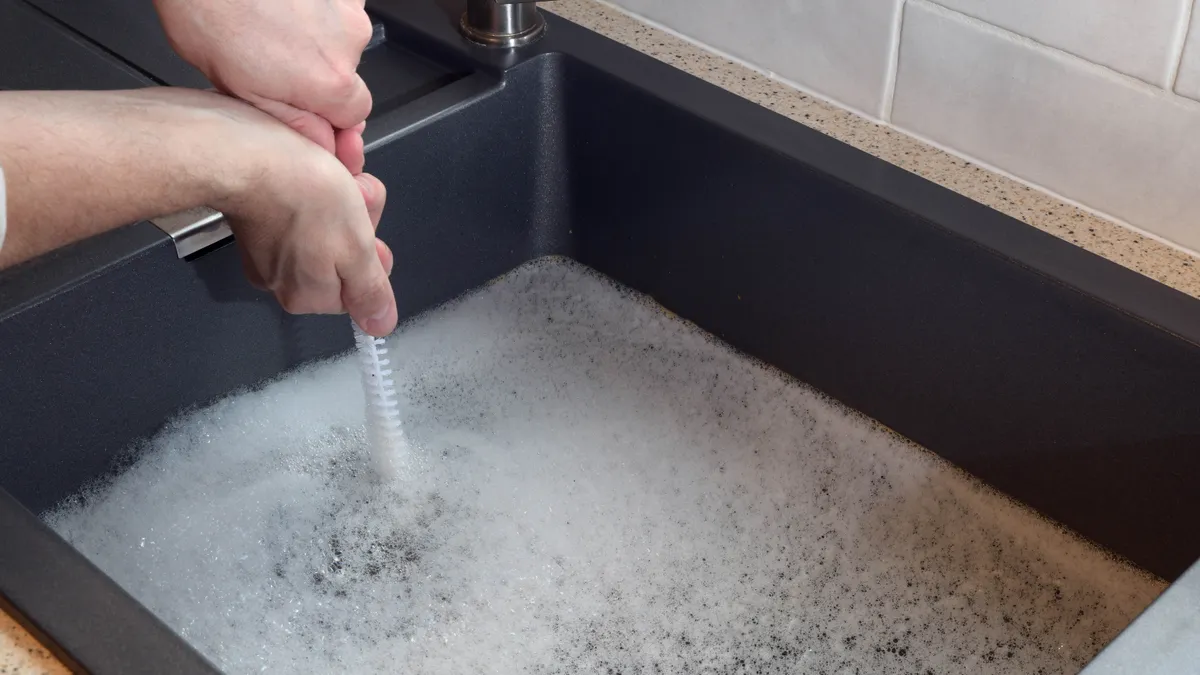
As explained briefly above, gray water is the term used to refer to the household waste water we have left over from regular day-to-day tasks like washing in the shower or bath, cleaning the dishes and doing the laundry.
But, instead of letting this discolored water run its way down the drain, you can save it to use on your garden — and subsequently, save money on your water bill too.
While it's usually fairly clean water, there are different rules on what is and isn't considered safe to reuse. The experts advise: "Bath water and washing up water can both be used in the garden, where they contain well-diluted and biodegradable soaps. Just avoid any water containing bleach, disinfectant or strong cleaners".
Adding: "Just don't use this on edible plants. Check your washing up liquid label to check if it is gray water safe, and let it cool before watering".
These tips make a lot of sense when you think about them. If you're eating your plants, you don't want them covered in gray water. If you use strong chemicals you'll risk damaging or killing them and if the water is hot, it can shock the plants, causing them damage which can sometimes be irreparable.
More watering advice

The summer months are a really important time to think about saving water. With the rise in temperature and reduce rainfall, there's a heightened strain on demand that we don't want to make worse.
Fortunately, the experts have even more tips to share that'll help you save water whilst looking after your garden in the hot weather.
Use a watering can
Firstly, while a hose can be a simple and effective way to make sure your garden gets the water it needs, it can also be wasteful. Experts suggest using a watering can instead to help restrict water use. But, if you do use a hose, they say: "Use a trigger to closely control the flow".
Be selective
Additionally, you should "be selective". This means assessing the plants in your garden and prioritising those that need watering more regularly. For example, fruit and veg don't need as much water. But, the experts suggest: "It's also worth prioritising containers, any new plants and hanging baskets".
And when it comes to your grass, while it can turn brown in the more intense heat of the summer, it has the resilience to grow back again as the lovely green you're used to. Whereas your plants won't.
More from Tom's Guide
- Don't throw them out — 3 ways to use banana peels in the garden
- Gardeners urged to leave a bowl of beer in the yard this summer — here's why
- 9 colorful plants you can grow quickly for summer flowering