Winter de-icing salt keeps driveways and sidewalks safe, but it destroys grass. Salt spray from passing cars, runoff from melting snow, and direct application near walkways accumulate in soil and kill grass roots. The damage becomes obvious in spring when brown, patchy areas appear while the rest of your lawn greens up.
Salt-damaged grass can recover with proper soil treatment and reseeding. Spring rain dilutes some salt naturally, but concentrated buildup in soil near roads and driveways requires active intervention. Amending soil and reseeding damaged areas restores lawns before summer.
Here's how to revive a lawn destroyed by winter salt damage.
1. Identify salt damage

Salt damage appears as brown or yellow patches, typically near driveways, sidewalks, or anywhere de-icing salt was applied heavily. The grass looks dead or severely stunted while surrounding lawn areas remain healthy and are greening up.
Look for a crusty white residue on the soil surface in damaged areas. This indicates salt crystallization and confirms that salt buildup, not disease or other issues, is killing the grass. The damage pattern follows salt application or runoff paths rather than appearing randomly across the lawn.
Salt-damaged grass often has shallow, dead roots. Tug gently on brown grass — if it pulls up easily with no resistance, the roots are dead.
2. Test and amend your soil

Test your soil's pH using a home test kit. Salt damage often makes soil more alkaline (pH above 7.5), which prevents grass from absorbing nutrients even after spring rain dilutes salt. Collect soil samples from both damaged and healthy areas to compare.
If soil pH is above 7.5, apply gypsum (calcium sulfate) to damaged areas. Gypsum helps neutralize salt in soil and improves soil structure without raising pH further like lime would. After application, water gypsum into the soil. This activates it and begins breaking down remaining salt buildup. Gypsum works gradually over several weeks, so apply it in early spring to give it time before reseeding.
For severely damaged areas where grass is completely dead and soil has heavy white salt crusting, rake out dead grass and remove the top inch of contaminated soil. Replace it with fresh topsoil before reseeding.
This is labor-intensive but necessary when salt concentration is extremely high and soil amendment alone won't restore grass growth.

3. Reseed and maintain new growth
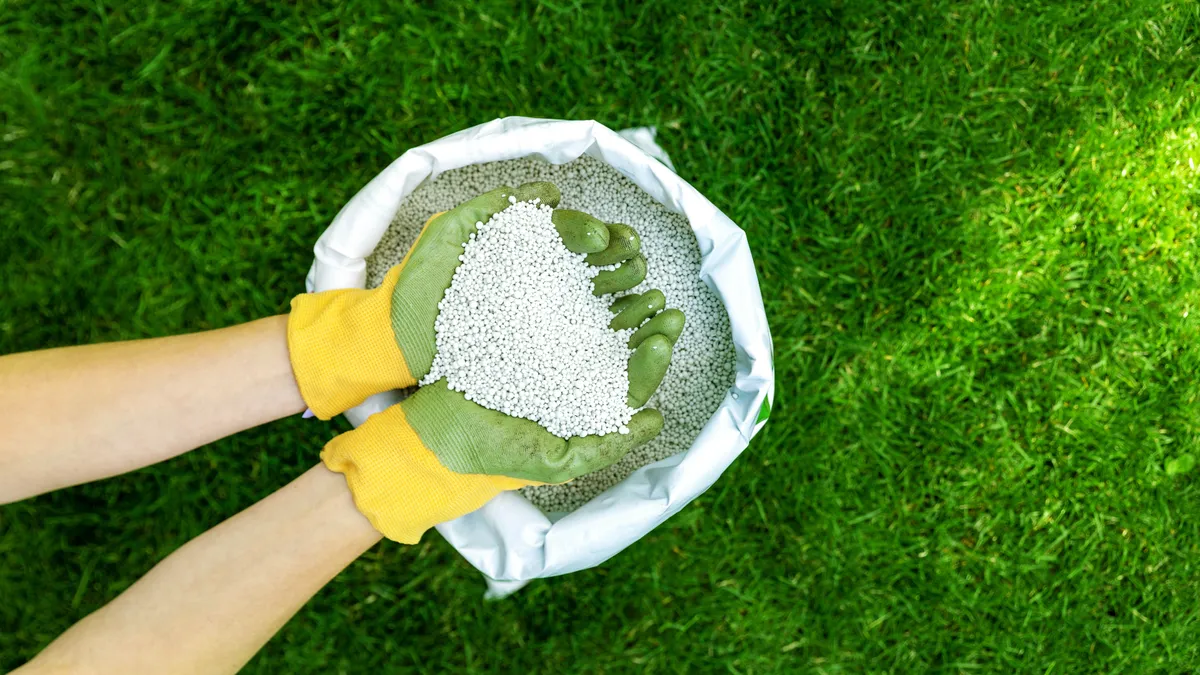
Wait until soil temperatures reach 50-65°F consistently before reseeding — typically mid-to-late spring depending on your region. Reseeding in cold, wet soil leads to poor germination and wasted seed.
Choose grass seed appropriate for your climate and the area's sun exposure. For spots that will receive salt exposure again next winter, use salt-tolerant grass varieties like tall fescue or perennial ryegrass. These handle salt stress better than Kentucky bluegrass or fine fescues.
Rake damaged areas to loosen soil, spread seed evenly at the rate recommended on the package, then lightly rake again to ensure seed-to-soil contact. Cover with a thin layer of straw to retain moisture and protect seed from birds.
Water reseeded areas lightly once or twice daily, keeping soil consistently moist until grass germinates. Once new grass reaches 3 inches tall, reduce watering frequency but water more deeply to encourage deep root growth.
Fertilize lightly 4-6 weeks after new grass germinates. Use a starter fertilizer with higher phosphorus to encourage root development. Avoid heavy fertilization immediately after reseeding as it can burn tender new grass. Mow new grass once it reaches 3-4 inches, removing no more than one-third of the blade length.
To prevent salt damage next winter, use salt alternatives like calcium magnesium acetate on walkways and driveways near grass.

Follow Tom's Guide on Google News and add us as a preferred source to get our up-to-date news, analysis, and reviews in your feeds. Make sure to click the Follow button!
More from Tom's Guide