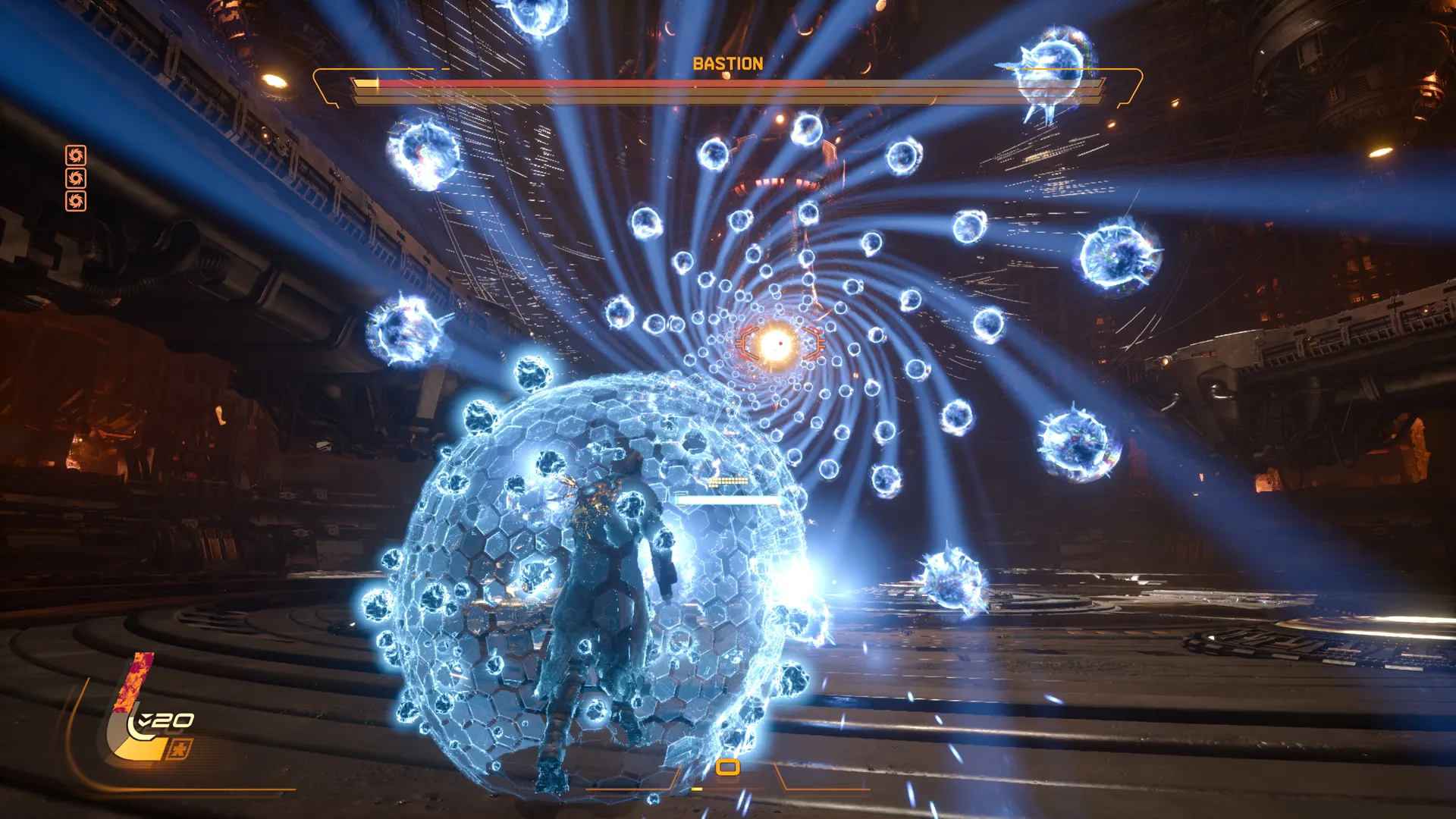
Saros is almost here, and reviewers like our own Rory Mellon think it’s one of the most exhilarating PS5 exclusives in years. This isn’t surprising, given that it’s a spiritual sequel to Housemarque’s equally beloved Returnal. The excitement for Saros couldn’t be higher.
While I admire everyone’s enthusiasm for this highly anticipated game, it’s not a sentiment I share. See, I’ve never much cared for roguelikes (or rogue-lites) like Hades or Dead Cells. Even Returnal failed to win me over when I played it at launch. Because of that, I went into Saros with pretty tepid expectations—especially since it was effectively pitched as Returnal 2.
Now, after spending a week plugging away at it, I can say my feelings about roguelikes haven’t changed. In fact, they’ve only been reinforced. Don’t get me wrong — Saros is a beautiful-looking game with fast and intense gameplay. I’m sure it’ll sell a ton of copies on PS5. But as good as the game objectively is, it’s simply not for me. Here’s why.
What’s Saros about?
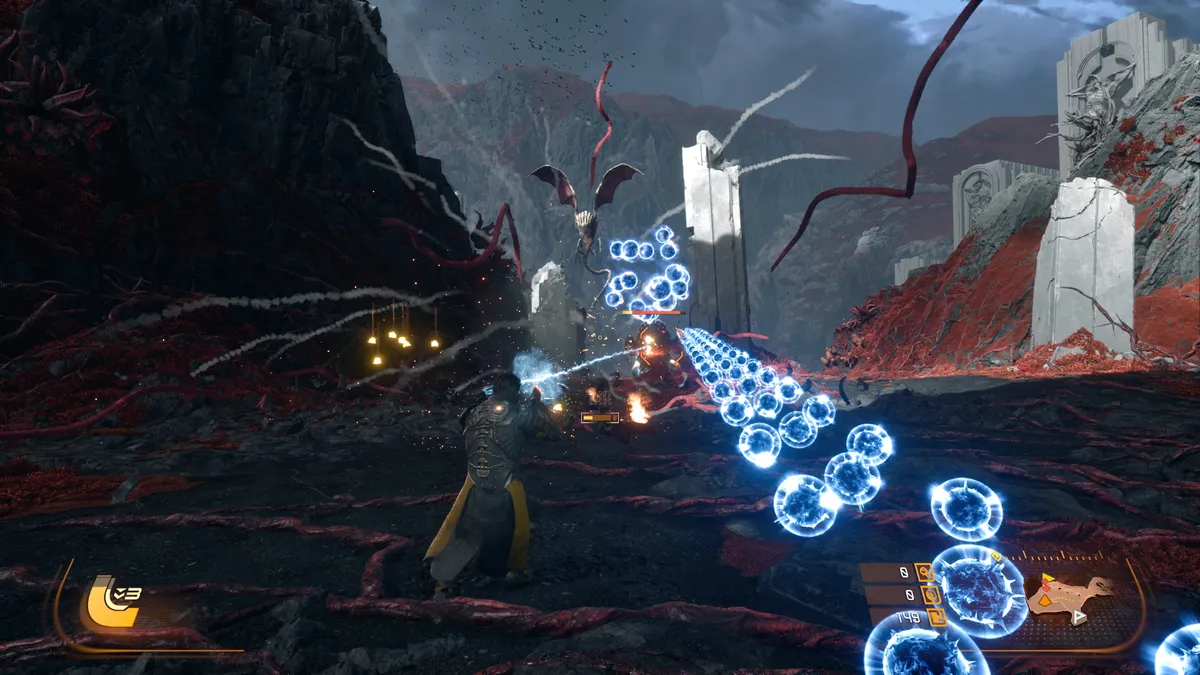
If you’ve played Returnal, you’ll feel right at home with Housemarque’s latest. This third-person action rogue-lite shooter puts you in the shoes of Arjun Devraj, an enforcer for the Solatri corporation. You’re dropped onto a mysterious planet called Carcosa and tasked with figuring out what happened to the missing colonists.
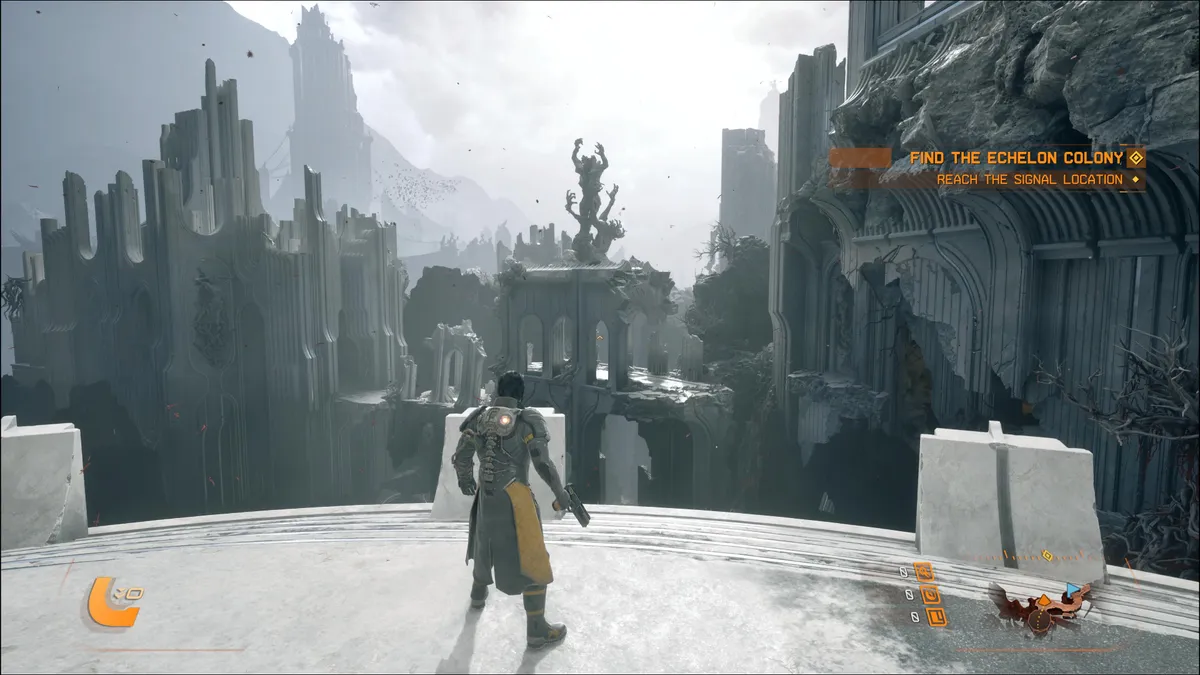
Most of the story unfolds through creepy audio logs, text files, and conversations back at your home base (called the Passage). If you’ve watched Event Horizon or read H.P. Lovecraft’s Cthulhu mythos, you’ll recognize the vibe. I wouldn’t call it a horror game, but it’s pretty darn unsettling.
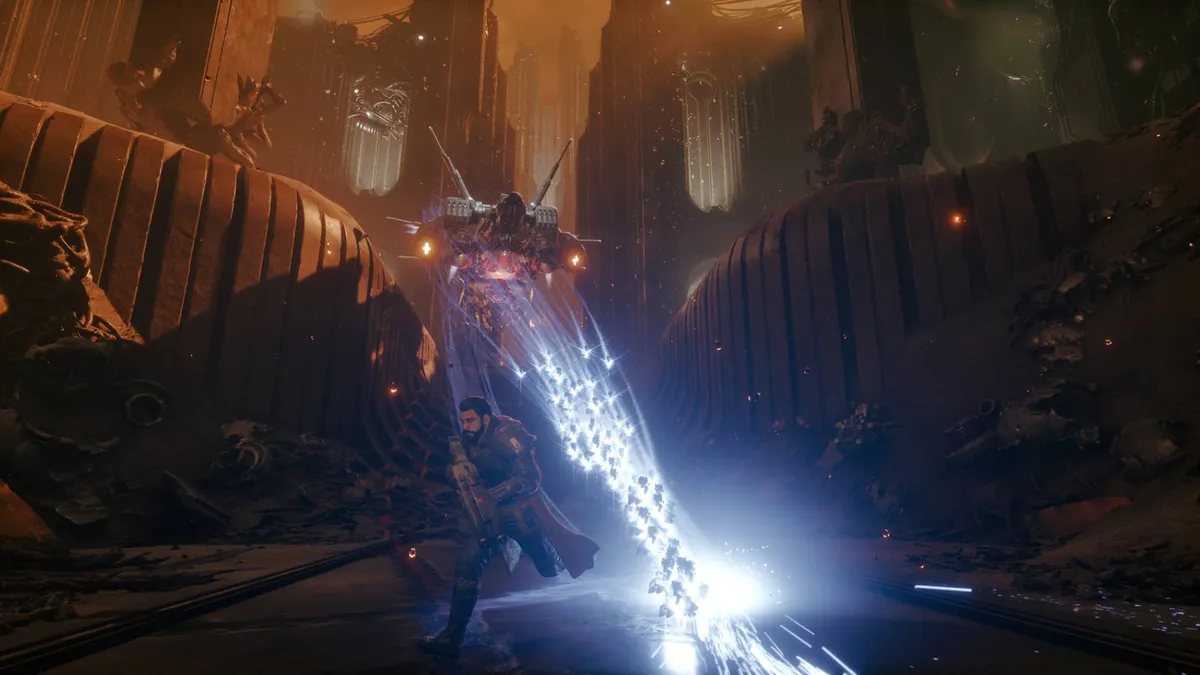
Gameplay-wise, it’s pure bullet-hell insanity. You’ve got jumping, dashing, and a solid arsenal of weapons for offense, plus the ability to create a bubble shield that absorbs projectiles to fuel a powerful super move. It’s fast, twitchy, and relentless — just like Returnal and Resogun.
Runs through the procedurally generated worlds last around 14-30 minutes (at least from my experience), and each death sends you back to base, where you can spend accumulated aether (the game’s currency) on permanent upgrades.
What I appreciate
Housemarque didn’t just make a straight Returnal sequel and call it a day. They implemented some smart upgrades that make the experience more approachable.
The biggest one is the permanent upgrades. Being able to spend currency on things like better armor or stronger starting items means you feel a bit more powerful with every run, even if you die repeatedly.
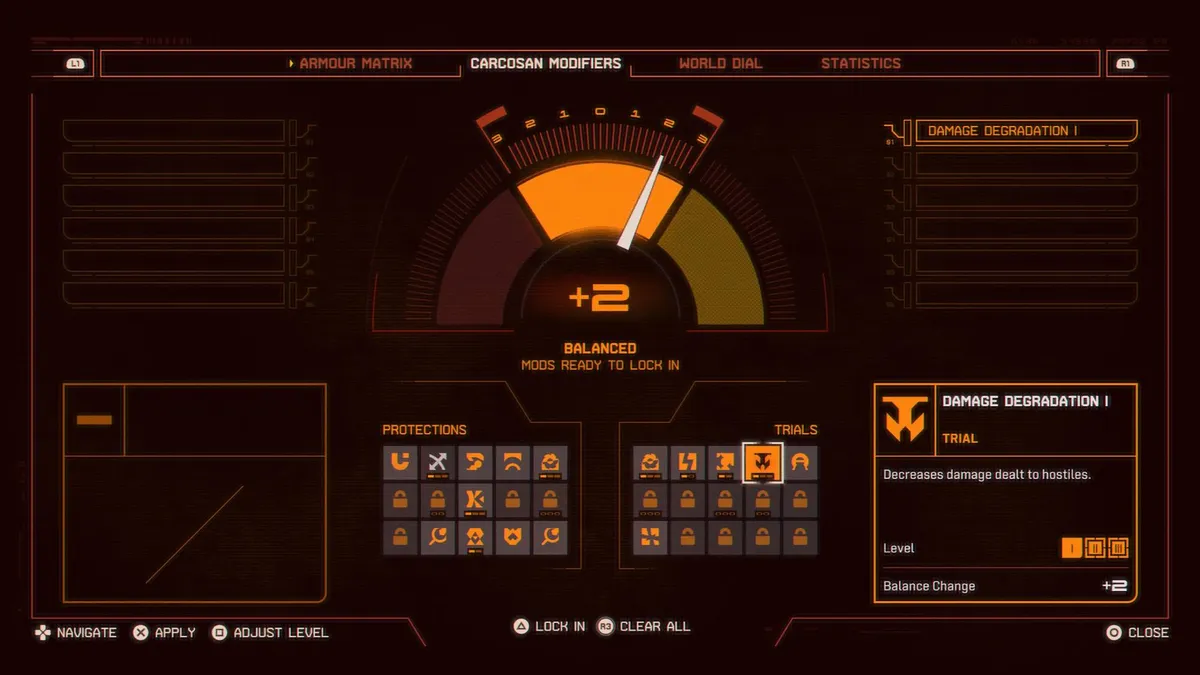
The modifiers are another nice touch. They let you tweak each run by selecting beneficial buffs, though you have to balance them out with a negative one. For example, you might deliver more damage to enemies but accept lower aether collection as a tradeoff.
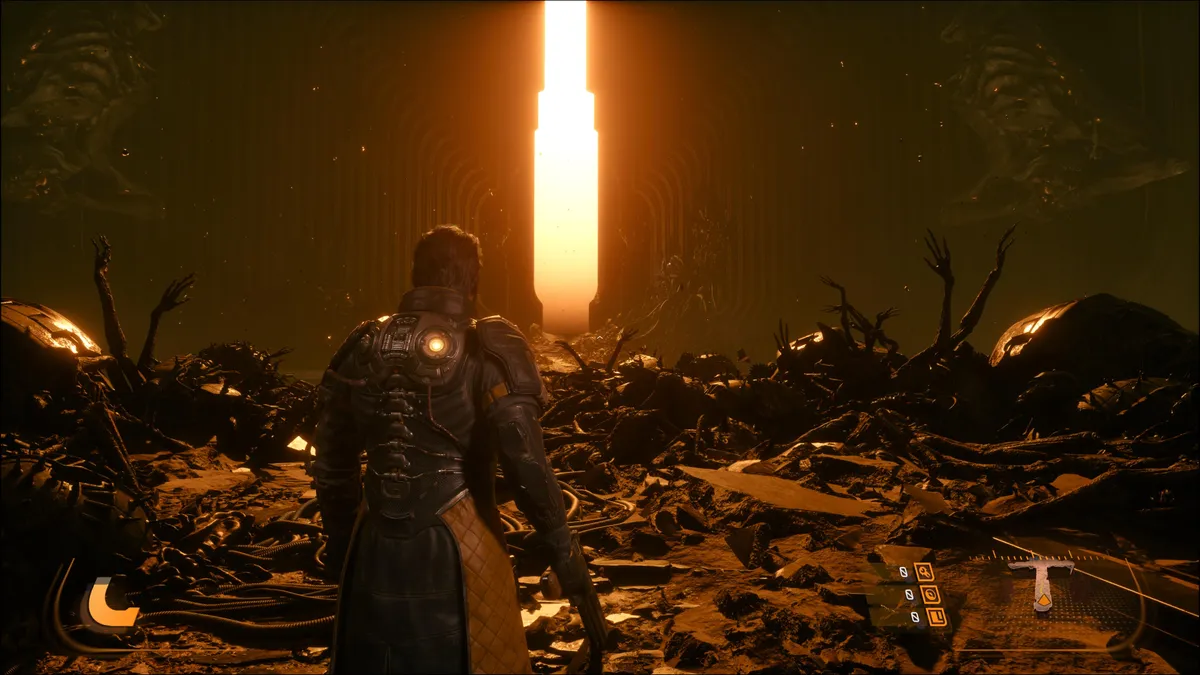
I also really like how the procedurally generated worlds feel both random and familiar. Each location has several predetermined areas that get jumbled around, so you have a general sense of the layout while still being surprised by new enemy and item placements. It gives exploration a nice sense of grounding, rather than feeling completely random.
Finally, the graphics are absolutely superb. Every alien landscape feels appropriately eerie, and the bright neon projectiles provide a nice visual contrast. Performance-wise, the game runs like a dream on PS5 Pro (though I do wish the cinematics matched the 60fps of the gameplay). The DualSense haptics and adaptive triggers also make the shooting feel incredibly satisfying and immersive.
What I don’t like
As much as I appreciate what Saros is doing, it’s still very much a roguelike—and it hasn’t done anything to change my mind about the genre.
Maybe I’m just not good at these games, but it took me roughly four hours spread across five days to beat the first boss, even with modifiers. That’s a lot of time for relatively little progress, which can make finishing the game feel like a daunting task. I didn't finish Returnal, so it's likely that history will repeat itself here.
Don’t get me wrong, I don’t mind difficult games. I’ve beaten plenty of FromSoftware titles like Elden Ring and Bloodborne. The difference is that those games are slower and more deliberate. Saros, on the other hand, is pure twitch-based action. You have to be fully locked in to succeed. If you’re tired after a long day, it’s tough to bring the focus needed to push through the constant setbacks.
Bottom line
I have nothing but respect for Housemarque and what they’ve accomplished here. Saros takes everything people loved about Returnal and refines it with smarter permanent progression and more thoughtful procedural design. If you loved Returnal or you’re craving a super fast-paced, high-skill action game, this one delivers in spades.
That said, it still hasn’t turned me into a roguelike believer. I’m putting the controller down for now and heading back to Pragmata and Resident Evil Requiem. Different strokes for different folks.

Follow Tom's Guide on Google News and add us as a preferred source to get our up-to-date news, analysis, and reviews in your feeds. Subscribe to Tom's Guide on YouTube and follow us on TikTok.
More from Tom's Guide