While you might get away with ignoring dust and delaying vacuuming for a few days, one chore simply can’t wait. Cleaning the toilet tops the non-negotiable list.
Delaying cleaning your toilet leads to a fast buildup of bacteria, stubborn mineral stains, and unpleasant odors. So if you want to avoid germs and a good deal of extra scrubbing, you’ll want to clean your toilet regularly.
But how often should you be cleaning your toilet, and should you give it a deep clean each time? I called on the cleaning pros to share exactly how often you should be cleaning your toilet and how to give it the best clean.
How often should you clean your toilet?
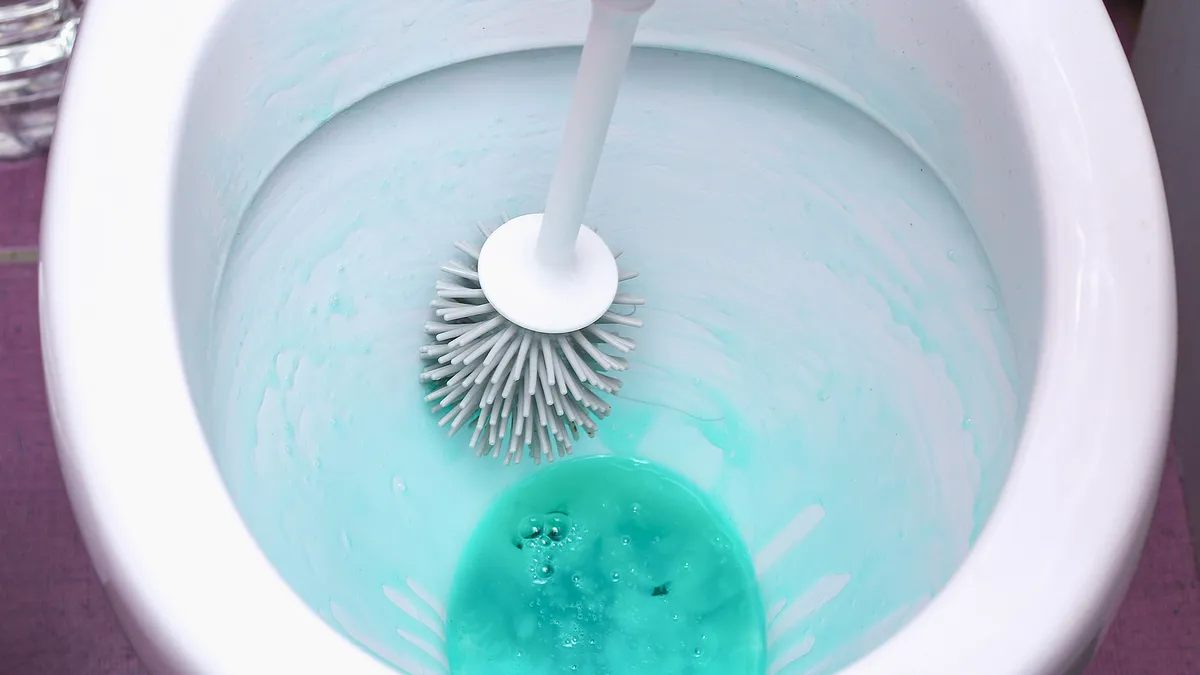
The frequency of how often you should clean your toilet depends on whether it is used daily or occasionally, such as a guest en-suite toilet, but as a general guide, Renata Cruz, Cleaning Expert and Professional Organizer at Coastal Maid San Diego, says, “I would recommend doing a complete clean of a toilet that is being used daily once a week.”
However, you shouldn't just leave it for a whole week without any cleaning. “Do a quick clean of the seat and the exterior two or three times during the week as well,” she adds.
It will depend on how many people use it
Your cleaning routine should also depend on how many people are using the toilet, especially if they are sick or children. In these circumstances, Cruz says, “I would encourage a full clean every four or five days instead of waiting the entire week.
“The number of users, especially when including young children or individuals who are ill, will increase bacterial growth at such a rapid rate compared to one person using the toilet at a normal pace.”
What if the toilet is rarely used?
You shouldn’t completely disregard cleaning a toilet if it is rarely used, such as those in spare ensuites. “It’s still important to flush it once a week,” says Chris Willatt, founder at Alpine Maids.
"Stagnant water makes the minerals settle into hard rings. This breeds bacteria and eventually evaporates, sending gross sewer gases into your home.”
If the toilet is rarely used, you only need to give it a light clean every couple of weeks. "Spray and wipe the seat and touch points and clean the bowl," he says.
However, if you notice that it’s stained, he suggests giving it a deep clean. "Sanitize the base of the floor bolts, clean the seat hinges, scrub under the rim jets, and do a final wipe down."
How to clean a toilet the right way

Williatt takes a three-step approach when giving a toilet a thorough clean.
1. Start by applying a bowl cleaner. Squirt the gel or liquid around the inside rim, letting it coat the bowl. Allow it to sit for about 10 minutes so it can properly disinfect.
2. Spray a disinfectant cleaner over the handle, lid, outer tank, seat, and floor area around the toilet. The entire area needs to be disinfected.
3. Scrub the interior using a toilet brush. Scrub under the upper rim, down the walls, and into the trap hole. Flush the toilet when you have finished scrubbing.
Once you have finished cleaning your toilet, don’t forget to sanitize your tools. “Many people overlook this and just throw the brush back in the holder, but that grows bacteria," Willatt says. "Spray it with disinfectant, let it drip dry for 10 minutes, then return it to its holder."
How to do a quick clean

Cruz doesn’t believe that every time you clean the toilet it needs to be a deep clean. She says you should give your toilet a thorough clean once a week; in between, it can have a lighter clean, which should take about two minutes.
So what does this lighter clean involve? “It consists of simply cleaning the seat, the rim and giving the inside of the bowl a light swish,” says Cruz.
Apart from keeping your toilet hygienic, a regular quick clean will help reduce yellow stains off a toilet seat.
What toilet-cleaning products are best?

Cruz recommends using a gel-based toilet cleaner as she believes it clings better underneath the rim of the bowl, whereas thinner liquid types flow to the bottom of the bowl. “Dwelling time is greatly improved beneath the rim when using thicker gel-type bowl cleaners," she says.
Cleaners
When cleaning external surfaces, like the tank, lid and handles, Cruz recommends using a disinfectant capable of killing at least 99.9% of bacteria. “I then combine this product with either disposable wipes or colored-coded microfiber towels to prevent cross-contamination with other surfaces within the bathroom,” she says.
Willatt favors using Lysol Power Toilet Bowl Cleaner or Clorox Toilet Bowl Cleaner, he says, “both of these disinfect, cut through minerals, and kill germs.”
For surface cleaning, he suggests Clorox Free & Clear, and also recommends using a 70% isopropyl alcohol solution.
Getting the brush right
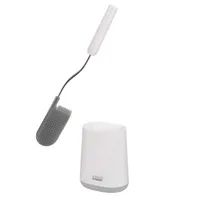
One of the most important cleaning tools is the toilet brush, with Willatt sharing he always recommends a silicone version. “It dries faster, collects less debris, and the bristles are easy to sanitize.”
And don’t forget to replace it. Cruz says you should replace your toilet brush every three months. “Continuously using the same brush will greatly reduce bacteria and mildew issues found in older brushes left to sit wet in their holders," she says.
What will happen if you don't clean your toilet enough?

There are obvious signs that you are not cleaning your toilet enough. Cruz says these include spotting mineral stains, limescale rings and general discoloring that becomes increasingly difficult to remove after allowing sufficient time for it to form.
However, there are less obvious signs that are more crucial to be aware of. Cruz shares that bacteria will accumulate on seats, flush handles and surrounding surfaces that are commonly touched throughout the day.
And there is another serious problem. “Mold will begin to accumulate rapidly under the rim and near bases in humid environments.” She adds that “mold growth creates a far greater challenge for removal than regular weekly cleaning prevents.”
Uncleaned toilets also create unpleasant odors that no amount of fragrant air fresheners will disguise.
If you struggle to clean other areas in your bathroom, you might be interested in a two-ingredient hack to make cleaning your bathtub easier.

Follow Tom's Guide on Google News and add us as a preferred source to get our up-to-date news, analysis, and reviews in your feeds.
More from Tom's Guide