Nvidia CEO Jensen Huang may have been the target of a Chinese intelligence operation, and according to a bombshell new report, President Donald Trump knew about it for nearly a year.
A New York Times investigation published Thursday reveals that American intelligence officials concluded a Chinese businesswoman with close ties to Huang was passing information to Beijing. The woman, identified as Alice Huang, was also an executive at a company already under investigation for allegedly helping Chinese businesses obtain restricted Nvidia AI chips.
Even more surprising, Trump was reportedly briefed on the findings about a year ago but took no action, while Jensen Huang himself was never warned that someone in his business circle was suspected of working for Chinese intelligence.
The allegations arrive at a particularly sensitive moment for Nvidia, which supplies much of the computing power behind the world's leading AI systems, including ChatGPT and other popular chatbots.
How a suspected Chinese intelligence asset got close to Nvidia
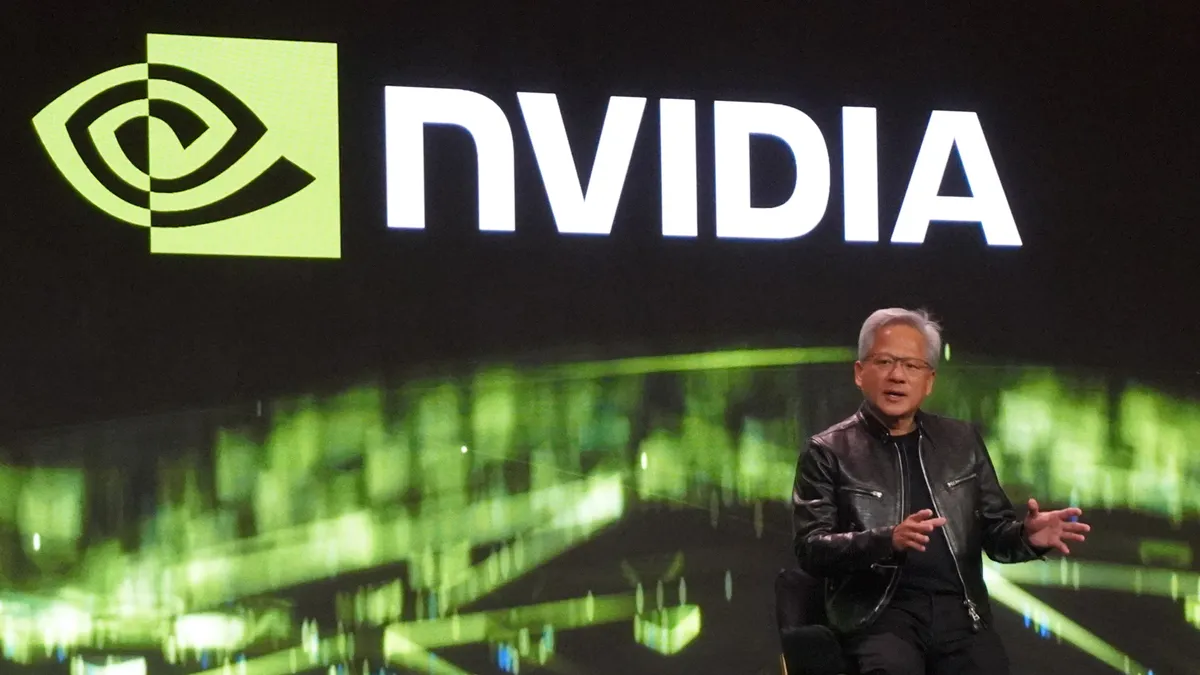
At the center of the investigation is Alice Huang, also known as Huang Le, a Chinese businesswoman and senior executive at Megaspeed, a Singapore-based data center company.
According to the Times, U.S. intelligence agencies were already monitoring Huang because they feared Megaspeed was helping Chinese companies access advanced Nvidia chips despite American export restrictions.
During that surveillance, officials reportedly discovered that she had developed a close relationship with Jensen Huang. The two were seen together during visits to Taiwan, including appearances in 2024 and 2025.
Intelligence officials eventually concluded that Alice Huang was providing information to Beijing, raising concerns that the Nvidia CEO himself could be a target.
No evidence shows that Jensen Huang knowingly participated in any intelligence operation. In fact, U.S. officials reportedly believed he was unaware of the woman's suspected activities.
Nvidia has pushed back against suggestions that the relationship was unusual, explaining that Huang regularly meets executives from companies that purchase its technology.
Trump was reportedly briefed, but Jensen Huang wasn't
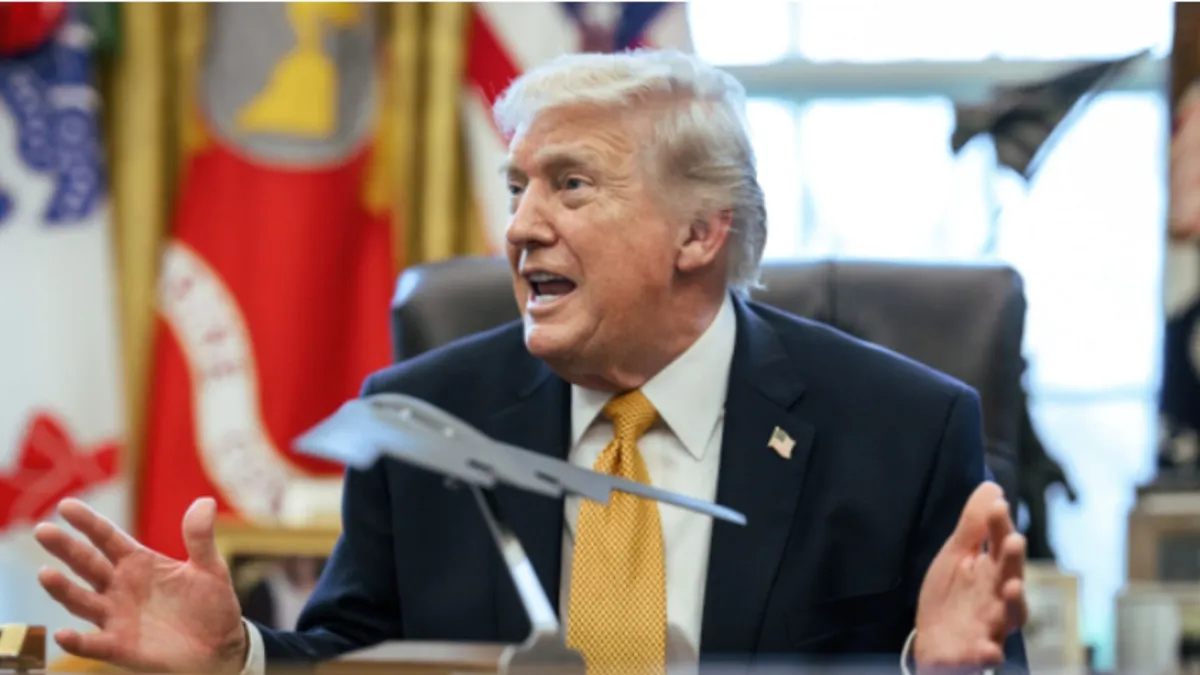
Arguably the most surprising detail in the Times investigation is what reportedly happened after U.S. intelligence officials identified the potential threat.
Trump was briefed on the findings about a year ago, but the administration did not take action against the suspected operation, according to the report.
The Times links that decision to the administration's reluctance to disrupt Nvidia's chip sales or further complicate trade negotiations with China, although the precise reasoning behind the decision remains unclear.
Meanwhile, Jensen Huang reportedly never received what intelligence officials call a defensive briefing, a warning sometimes given to Americans who may be targeted by foreign intelligence services.
That doesn't necessarily mean officials ignored the threat. Alerting Jensen Huang could have revealed that Alice Huang was under surveillance, potentially jeopardizing the investigation. But this raises concerns about how the U.S. government handles security issues involving executives whose companies play an enormous role in the American economy.
Those concerns extend beyond Nvidia's business dealings. Jensen Huang has become an influential voice in Washington's AI policy discussions and has developed a close relationship with Trump.
For intelligence agencies, someone with access to a technology executive involved in those conversations could potentially learn valuable information without ever getting near classified documents.
Why Nvidia's AI chips are at the center of the controversy
The suspected intelligence operation is only one part of a much larger dispute over who gets access to the world's most powerful AI technology. Nvidia makes the advanced processors used to train and run many of today's leading AI models. These chips are essential infrastructure for companies developing increasingly capable AI systems.
The U.S. has restricted exports of certain advanced AI chips to China over national security concerns, particularly the possibility that the technology could strengthen Beijing's military and intelligence capabilities.
But enforcing those restrictions is complicated since Chinese companies can potentially gain access to Nvidia-powered computing resources through data centers located in other countries, without necessarily taking physical possession of the chips.
That's where Megaspeed enters the picture. The Singapore-based company has purchased large quantities of Nvidia technology, and U.S. authorities have been investigating whether its operations helped Chinese customers circumvent American export controls.
According to the Times, the investigation intensified after officials inspecting a data center in Malaysia found Nvidia equipment that was still boxed rather than installed.
The discovery raised questions about where the equipment was ultimately intended to go. Nvidia has denied finding evidence that Megaspeed was illegally supplying chips to China, and the company says it complies with applicable export regulations. Megaspeed has also said it is investigating the allegations.
What Nvidia and China are saying

Nvidia disputes any suggestion that Jensen Huang's interactions with Alice Huang were improper.
In a statement reported by Tom's Hardware, Nvidia said Huang speaks with thousands of customer executives every year and that its regional cloud customers receive ordinary business information, not sensitive company secrets or information relevant to national security.
The company also said it expects U.S. authorities to alert it when a person or organization poses a security threat.
Megaspeed has reportedly retained outside legal counsel to investigate the allegations, while the Chinese Embassy in Washington has rejected the claims as unfounded.
Importantly, no public evidence establishes that Jensen Huang passed sensitive information to Chinese intelligence, knew about Alice Huang's alleged activities or violated U.S. export restrictions.
What this could mean for AI

For anyone using ChatGPT, Gemini or other AI tools, this story isn't about an immediate threat to personal data or a reason to stop using AI. But it offers a rare look at the geopolitical tensions surrounding the hardware that makes those tools possible.
The technology behind today's AI boom depends heavily on a relatively small number of companies, with Nvidia occupying a particularly influential position. And while the investigation doesn't establish that Chinese intelligence obtained sensitive information from Nvidia, it highlights just how complicated the relationship between business, national security and AI has become.

Follow Tom's Guide on Google News and add us as a preferred source to get our up-to-date news, analysis, and reviews in your feeds.
More from Tom's Guide
- I tested ChatGPT vs. Grok with 5 questions boomers actually ask — and the winner surprised me
- Microsoft just offered 60,000 workers a way out as AI spending soars — here's what it could mean for your job
- ChatGPT has a clever new way to fight back against election deepfakes — I tried it and it actually works