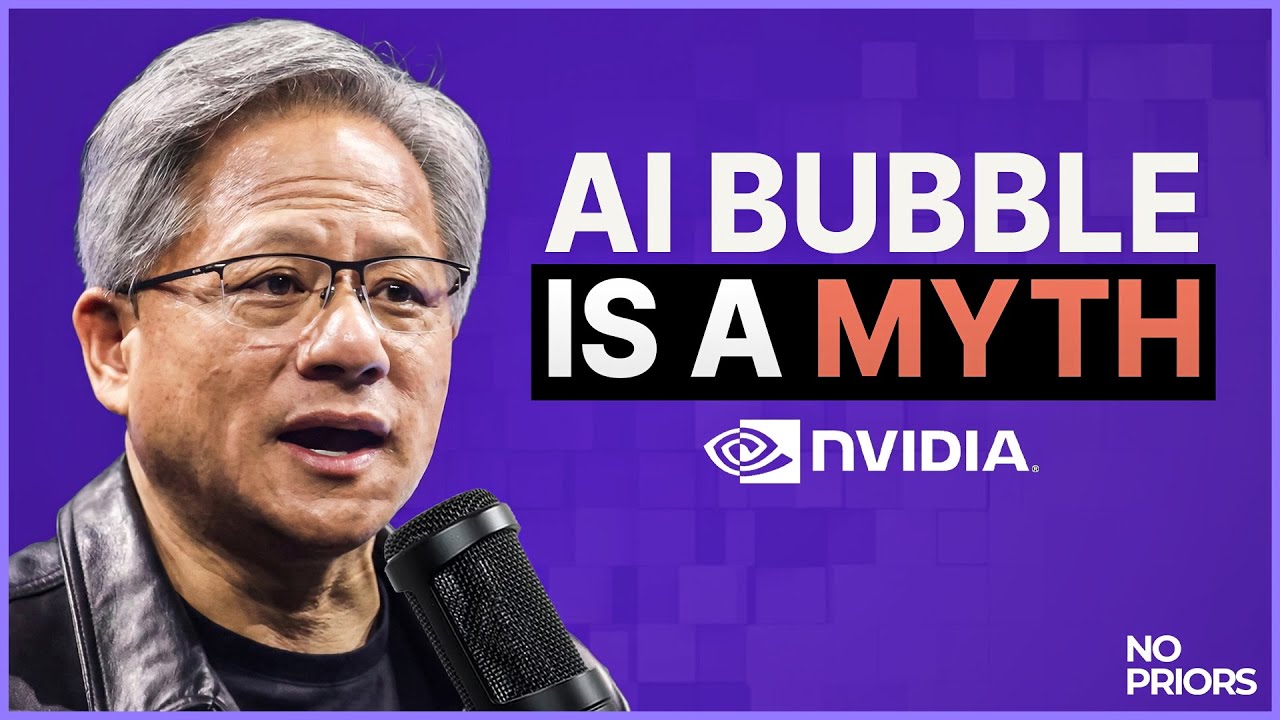
Nvidia’s CEO, Jensen Huang, is calling out those who are critical of AI, believing that they don’t have the best interests of society as a whole in mind. More specifically, the criticisms that AI could make large portions of the workforce unemployed.
As part of an interview with No Priors, Huang labelled this kind of opinion as the “doomer’s narrative”. He went on to claim that this kind of labelling does no good, and more importantly, believed that those pushing this narrative aren’t ordinary people.
“I think we’ve done a lot of damage with very well-respected people who have painted a doomer narrative, end of the world narrative, science fiction narrative. And I appreciate that many of us grew up and enjoyed science fiction, but it’s not helpful. It’s not helpful to people. It’s not helpful to the industry,” he said.
“There are many people in the government who aren’t as comfortable with the technology and when PhDs and CEOs go to the government and describe these end-of-the-world scenarios and extremely dystopian futures, you have to ask what is the purpose of that narrative?”.
Where is the criticism coming from?
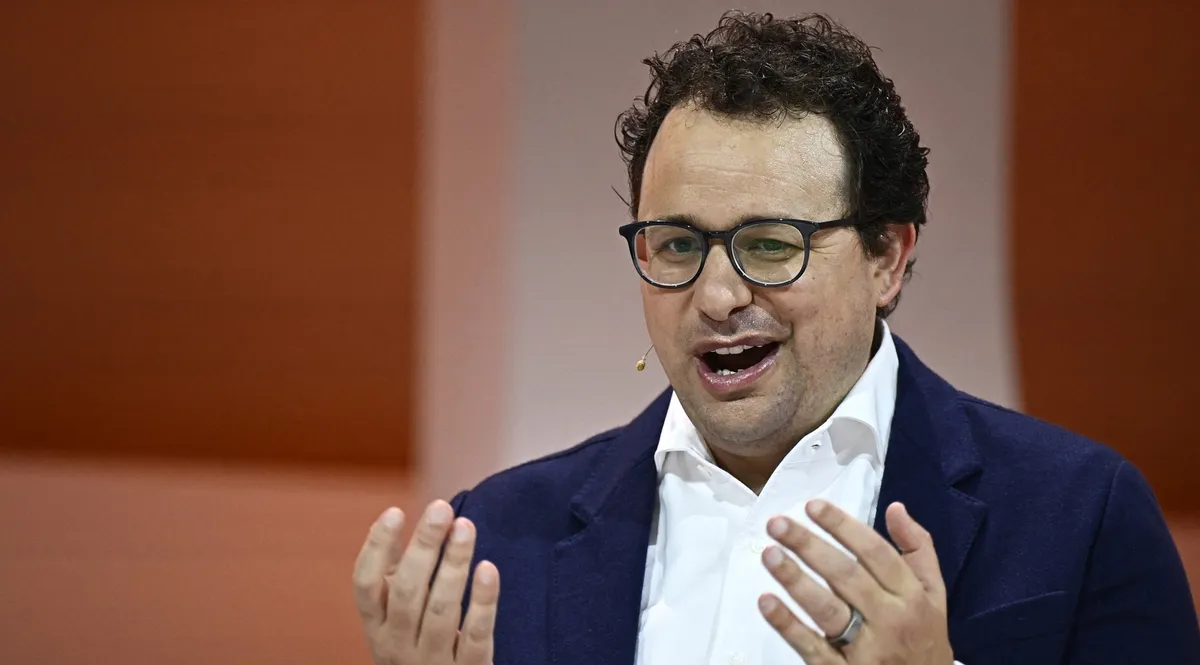
No specific company or individual was highlighted in his criticisms, but there are a number of big names in the AI world who have been critical of the technology.
Most notably, Dario Amodei, the CEO of Anthropic, has been widely critical of AI, despite developing Claude, one of the best-known chatbots on the market right now.
In the past, Amodei has highlighted the role AI plays in unemployment, stating last year that it would cause mass unemployment within the next five years.
In the interview, Huang went on to argue that AI regulation will ultimately hinder progress. This could be in the form of chip export controls or barriers to AI advancement. He believes that elements within the industry have tried to slow down AI progress.
Nvidia does, of course, have a huge role in artificial intelligence. It’s GPUs (graphic processing units) that power the world’s large-scale AI training and interference workloads.
In fact, Nvidia chips (such as Vera Rubin announced at CES 2026) are used not just in training systems, but by some of the largest AI companies around, including OpenAI.
Nvidia is joined by the likes of OpenAI’s CEO Sam Altman and xAI’s Elon Musk in the groups who are widely positive about the technology, believing that it will be a net positive for society in the end.
Follow Tom's Guide on Google News and add us as a preferred source to get our up-to-date news, analysis, and reviews in your feeds.

More from Tom's Guide
- If Grok won’t stop talking on your X timeline, this Chrome extension will shut it up for you
- I used Perplexity to build a smart reading list — here’s what it recommended
- Apple is not throwing in the AI towel with Google deal — 'Apple is building its own models based on Gemini that will power a more advanced version of Siri' says analyst