Google's biggest product is still Search. During its last earnings call, the company said Google Search queries had reached an all-time high, helping the business grow by 19%. Google has also been steadily adding new AI-focused features to Search, including AI Mode, which was introduced at last year's I/O.
And today at Google I/O 2026, Search is getting what the company calls its biggest upgrade in nearly 30 years. It's much bigger than just a redesign of the Search box. Search is becoming far more conversational, multimodal, proactive, and even capable of generating custom interfaces and tools in real time.
Google has long offered autocomplete suggestions, but now it's expanding that experience into AI Mode as well. The company says Search can better understand natural language queries and surface much smarter suggestions that go well beyond basic autocomplete.

The biggest visual and functional change, though, is how Google is putting multimodal inputs front and center. Users will now be able to search using combinations of text, images, videos, files, and even Chrome tabs. Google says the Search interface can dynamically expand depending on the complexity of your query while also surfacing AI-powered suggestions in real time.
Search agents can now monitor information 24/7
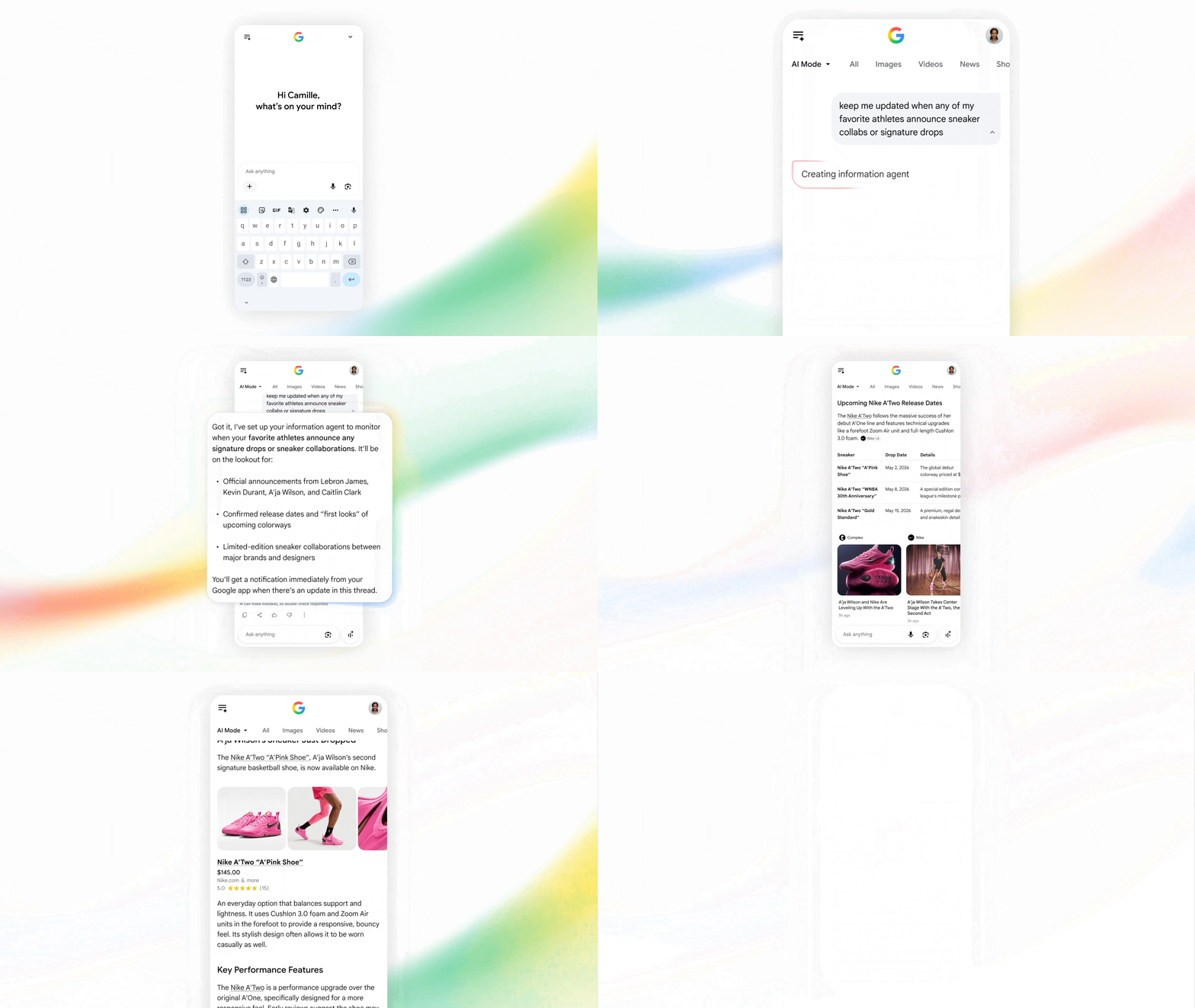
Google is also introducing Search agents. These AI agents can continuously operate in the background 24/7 to monitor information, track changes, and send updates automatically without requiring users to repeatedly search for the same thing.
For example, you could create agents to track stock market movements based on specific conditions or monitor apartment listings matching your exact preferences.
These agents continue working in the background and notify you whenever something changes. Think of it like Google Flights price tracking, but expanded to almost anything you repeatedly search for. Google says these information agents will launch later this summer for Google AI Pro and Ultra subscribers in the U.S. first.
Search can now generate custom mini apps in real time

Another major addition is something Google calls "agentic coding in Search." Powered by Gemini 3.5 Flash and Google's Antigravity system, Search can now dynamically generate custom visualizations, simulations, interfaces, and widgets in real time depending on the question you're asking.
For example, if you search for something related to astrophysics, Search could generate an interactive visualization alongside the search results to help explain the concept visually. Google says these visuals will even update dynamically as users continue asking follow-up questions. These generative AI capabilities are expected to roll out to all Google Search users later this summer.

But that's not all. Google is also letting users build persistent mini apps and dashboards directly inside Search for themselves. For example, users could create custom fitness dashboards pulling together weather data, maps, meal plans, reviews, calendar events, and more. Google says similar tools could also be built for things like wedding planning, moving, or other long-term projects.
These mini apps will initially launch only in the U.S. for Google AI Pro and Ultra subscribers.
Google says all of these upgrades are powered by Gemini 3.5 Flash, which is now becoming the default model powering AI Mode inside Google Search globally. Want to know more about everything revealed at today's event? Check out our Google I/O 2026 live blog for up-to-the-minute announcements and reactions.

Follow Tom's Guide on Google News and add us as a preferred source to get our up-to-date news, analysis, and reviews in your feeds. Subscribe to Tom's Guide on YouTube and follow us on TikTok. Finally, you can visit our dedicated Tom's Guide Savings Squad hub for expert help on getting the best products for less.
More from Tom's Guide