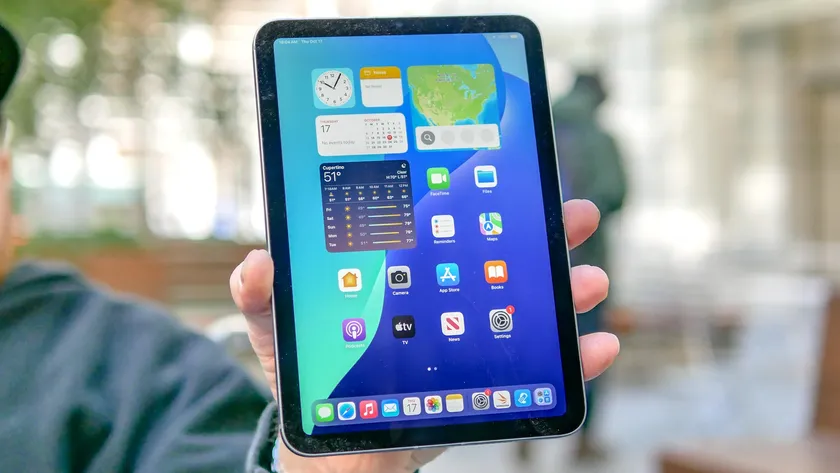



We all talk about it, but it looks as if we really don't know what it is -- the post-PC era.
Forrester has published a report that sheds some light on this change in computing and explains what it means.
According to Forrester, it has been a buzzword for some time and it does not necessarily mean that PCs are dying. The market research firm believes, however, that computing landscape is shifting to what we could call the post-PC era. Analyst Sarah Rotman said that this shift is defined by a shift from stationary to ubiquitous computing, from formal to casual computing, from arms-length to intimate computing (which refers to the places we are using computers) and by abstracted to physical computing (which refers to touchscreen usage).
"So where is this all going? In the post-PC era, the “PC” is alive and well, but it morphs to support computing experiences that are increasingly ubiquitous, casual, intimate, and physical," Rotman wrote in a blog post. "The new MacBook Air and Samsung Series 9 demonstrate PCs going in this direction. In the post-PC era, PCs are joined by smartphones and tablets, as well as future devices like wearables and surfaces." The analyst envisions a range of new devices, many of which we have discussed in the past: Displays embedded eyeglasses or contact lenses. Electronics-embedded clothing.
The bottom line? The PC is alive and well. It will just have to compete with new computing devices and find its place in a changing computing environment.
Yep. Technology may shrink, but that will only mean that you can fit even more power into your desktop. They'll always be around, no matter what happens, short of the apocalypse.
Post-PC era no where in sight.
Conventional desktop PCs will eventually die out as consumer products and only be used by professionals and hobbyists.
The vast majority of consumers don't need a super computer. The normal user only uses a computer for reading email and news, reading and writing documents, watching youtube videos (which he's going to do with his TV in 5 years), managing digital photos and maybe cutting home videos (which tablets are already capable off).
What's he going to buy a PC for if his TV and a 600gram 12-14" tablet can do that for him better than any PC in 5-10years?
PC gaming is going to die just the same. What keeps PC gaming alive are not enthusiast who build 1-2grand gaming PCs. It's people who have a desktop PCs anyway and would like to play some games on them.
Console gaming (or maybe set-top-box gaming or whatever - it's unlikely that the gaming consoles will survive as single-purpose devices) is going to take over once nobody needs desktop PCs anymore.
I dont think the PC will die out, just change.
Out of the office, smartphones serve as the point of data contact, for getting data in and out quickly and for location-based or location-specific information as well. In the office or at home, tablets can perform simple to mid-sized tasks. The desktop system is still necessary (and will be for the foreseeable future) for the heavy lifting and heavy editing. It's a simple matter of power, screen real-estate, and available input methods. The whole thing only works well when you don't have to sync, transfer, or otherwise move data around to get it onto the device you want to work with.
Right now, I use an Android phone, Android tablet, and desktop PC with gmail, Google Docs, and Google calendar to accomplish this. The added benefit is that I can also share specific docs and calendars with other folks as well.
I hope they do. I won't play Crysis 5000 on a iCrap 20.
The big box desktop will disappear from homes in less than a decade and because of this we "the ones who most benefited from powerful desktops and workstations" will suffer the increased price.
Just look at professional GPUs. They are here today side by side and they are way more expensive than consumer GPUs. Every desktop PC part that is more specialized, business specific or oriented is more than twice or more than the consumer PC equivalent. And clearly and more specific because of market share.
There is actually a limit on what eyes can see and it's somewhere around there. At that point, graphics won't need to improve (except for programming physics and AI), so it's hard to imagine the home central computer wirelessly connected to everything in your house will have any trouble handling it all. That seems less "personal" to me, since it'll be shared by the whole house.
Most people now can build a pretty nice machine on mATX (except those few extreme people - who will be the only ones buying bigger systems in the future), and you can even build a semi-decent machine on mini-itx.
Not too far from now you will still have a PC, it will just be wii-sized, and able to power all the games you want.
At least thats what I expect.