My alarm goes off at 6:30 a.m. I sit up in bed, bracing myself for the intense sensation of DOMS (delayed onset muscle soreness) that usually forces me to waddle to the bathroom before my morning run. Instead, I wake up feeling light and mobile throughout my muscles and joints. This change is a result of ditching my weights session at the gym the night before for a Reformer Pilates class.
I've been slacking with weight training recently, both in the gym and at home with my adjustable kettlebell from our best kettlebell guide. As a regular runner, I especially loathe the intense DOMS after a weights session that sometimes hinders my performance on runs. So I've been searching for a way to build and tone my muscles, improve my core strength, and enjoy the process.
That's when Reformer Pilates came onto my radar in the form of an FS8 class at the Oxford Circus studio in London. The younger sister to the popular functional training franchise F45, FS8 combines Reformer Pilates, yoga, and toning exercises for a gentler approach to strength building.
Previously, I tried a Rowformer class, which involves a machine that's half rower and half Reformer, combining strength training with cardio in a Pilates studio setting. To be honest, I found the whole setup overwhelming and was put off by classes involving a Reformer.
But I liked the sound of what FS8 strives to achieve with their Reformer classes: enhancing muscular strength and endurance, cardiovascular fitness, flexibility, and recovery — and decided to give it a go.
I tried 45 minutes of reformer Pilates — here's what happened
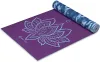
I signed myself and my friend up for the FS8 'Blast' class, with little to no idea of what this 45 minute session would entail. The description for the class said we would work through a range of strength based exercises using the reformer, one of the best yoga mats and a chi ball for a full body blast, encouraging muscle contraction and endurance. Here's how I got on.
Working out in a class setting was really helpful
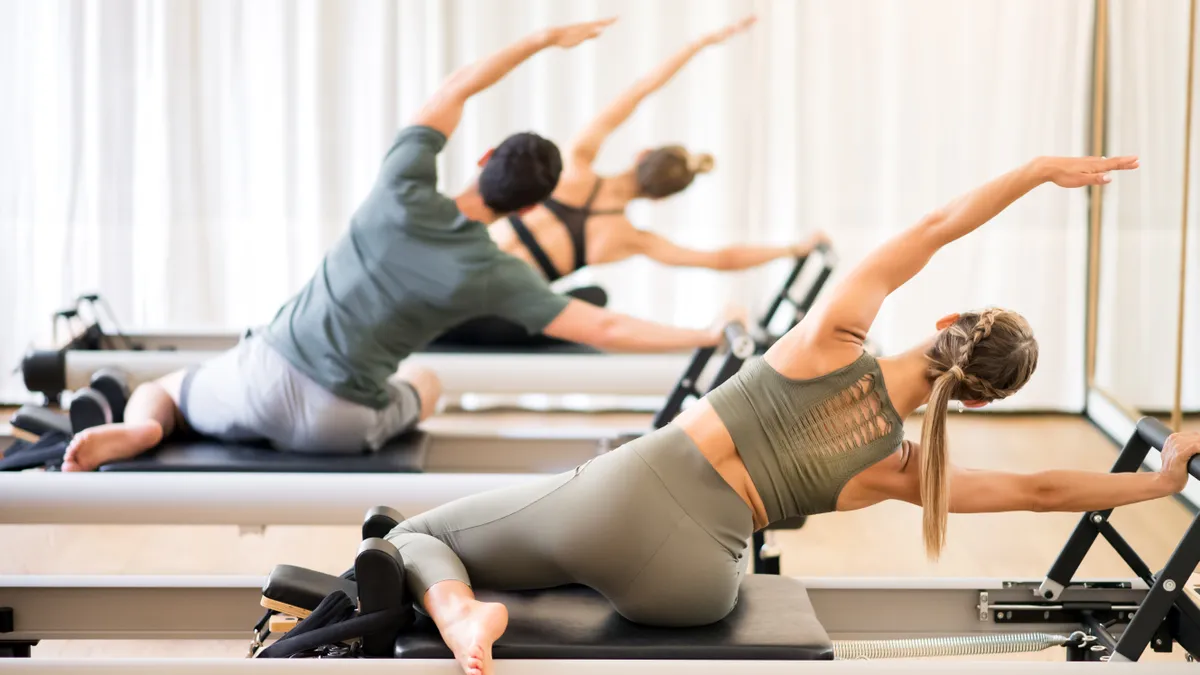
It wasn't until I returned to an exercise class setting that I realized how much time I spend working out alone, aside from the occasional run club session or jog with a friend.
Perhaps that's why my enthusiasm for weight training in the gym has waned a bit. At my local gym, I plug in my best workout headphones and work through my sets solo, with the only social interaction is asking someone in the squat rack how many more sets they have left.
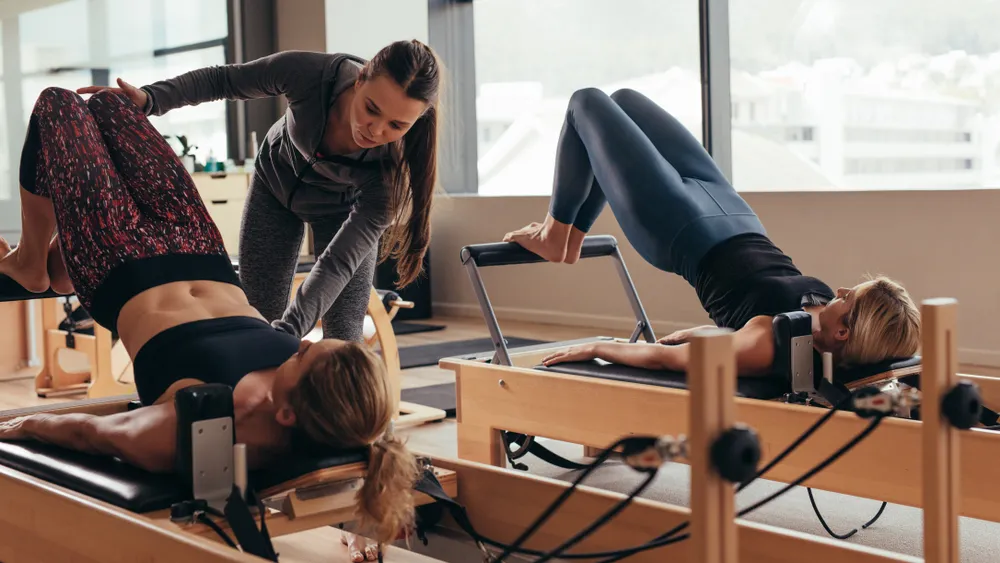
However, in the FS8 Pilates class, I was warmly welcomed by the instructor who introduced me to the studio, gave me a brief on how to use the reformer, and checked in on me throughout the class—offering guidance on improving my movements and providing encouragement.
It was also inspiring to have others in the class to observe and learn from; even seeing someone wobble on the reformer served as a reminder that everyone is there to progress and improve.
Plus, it's easier to give up halfway through a set in the gym when you don't have any accountability around you. But in a class like FS8, where everyone follows the same routine and you can witness others pushing through the 45-second intervals, I felt motivated not only to complete each segment but also to do so with as strong a form as I could manage.
Research supports this camaraderie and motivation in group settings. For instance, a study in the Journal of Sport and Exercise Psychology found that participants holding planks with a more capable partner increased their hold time by 24 percent due to heightened motivation.
I loved the challenge
Having only used a reformer machine once, I initially worried about standing out while trying to find my balance and confidence on it. However, I immediately became so focused on mastering each exercise that I stopped worrying about how I appeared to others in the class.
I really enjoyed the challenge of working against the resistance of the reformer's springs, which created a unique sensation compared to traditional weightlifting exercises like deadlifts or squats. While weightlifting also emphasizes slow and controlled movements, using the reformer takes this approach to a new level.
The slow movements on the reformer help to build strength and stability by challenging muscles throughout their entire range of motion. I felt a really great sense of mind-body connection when focusing on this and like my balance improved the more I concentrated on my control over the exercises.
I didn't hate myself the day after
I could feel myself shaking through to the end of some of the exercise intervals on the reformer, knowing my muscles, especially my glutes and core, would feel it the next day.
The morning after, I was pleasantly surprised to find I didn't have any DOMS to contend with. If anything, I felt better prepared for my morning run. This is likely because reformer Pilates focuses on low-impact, controlled movements that enhance muscle endurance and flexibility without causing significant strain.
In contrast, weight training often involves higher resistance and intensity, which can lead to micro-tears in muscle fibers and result in DOMS.
My verdict on ditching weights for reformer Pilates
If you're looking for a more low impact way to strength train and scoop up some other great benefits in the process such as enhanced flexibility, core strength, and overall muscle tone without the high risk of injury or intense muscle soreness then I highly recommend giving reformer Pilates a shot.
Working in a class setting with a good instructor is highly motivating and helpful for making improvements. However, reformer Pilates classes don't come cheap. It's often more cost efficient to book a package of classes for a set amount rather than regularly buy classes as you go. But always go try out a studio before committing to a membership to make sure you are spending money on exercise you will enjoy doing.
More from Tom's Guide
- Muscle soreness and magnesium: could it improve your workout recovery?
- 9 best Pilates exercises for strengthening your core
- 3 things I wish I had known as a Pilates beginner