I review fitness tech for a living, and personally, I couldn’t be more thrilled that screenless trackers are making a comeback. I’m chronically online, and as a mom to a toddler, I’m really trying to be more disciplined with my screentime. A huge selling point of both the newly-released Fitbit Air and the Whoop 5.0 is that they disappear, allowing you to track everything you need, without the distraction of non-stop notifications.
The Fitbit Air has been hailed as a Whoop-killer, and if you’ve clicked on this article, the chances are you’re trying to choose between the two devices. I’ve spent an extended amount of time with both trackers, and below, I’ll dive into why I think, for most people, the Fitbit Air is the tracker worth buying. Read on to find out more.
Fitbit Air vs Whoop: Price and subscriptions
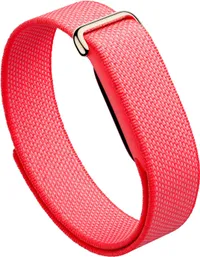
The Fitbit Air is the newer of the two trackers, released in May 2026. It costs $99/£85 and. There's also an optional Google Health Premium subscription, which unlocks personalized AI-backed health and fitness insights, along with deeper dives into your holistic trends. This costs $9.99/£7.99 a month or $99/£79 a year.
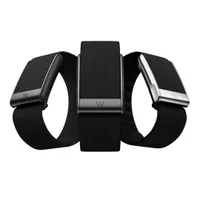
While you don’t pay for the Whoop 5.0 tracker itself, you have to choose between three subscriptions. The Whoop One costs $199/£169 per year and is the cheapest option. You’ll get the Whoop 5.0 tracker and CoreKnit band, as well as basic tracking.
Whoop Peak costs $239/£229 per year. It’s the mid-tier option where you get the Whoop 5.0 tracker with the SuperKnit band, along with a wireless charger, and everything in the ‘One’ membership, but also Healthspan (this is Whoop’s new feature with ‘Whoop Age’ and ‘Pace of Aging’), the Health Monitor, and the Stress Monitor.
Finally, Whoop Life is the top-tier option and costs $359/£349 per year. This plan comes with the Whoop MG device and SuperKnit Luxe band. You’ll get all of the features from the ‘Peak’ membership, as well as blood pressure and ECG readings.
Winner: If you’re on a budget, the Fitbit Air is the obvious choice. If you don’t choose to pay for a Google Health Premium subscription, after the initial $99 outlay, you won’t have to pay a penny.
Fitbit Air vs Whoop: Design
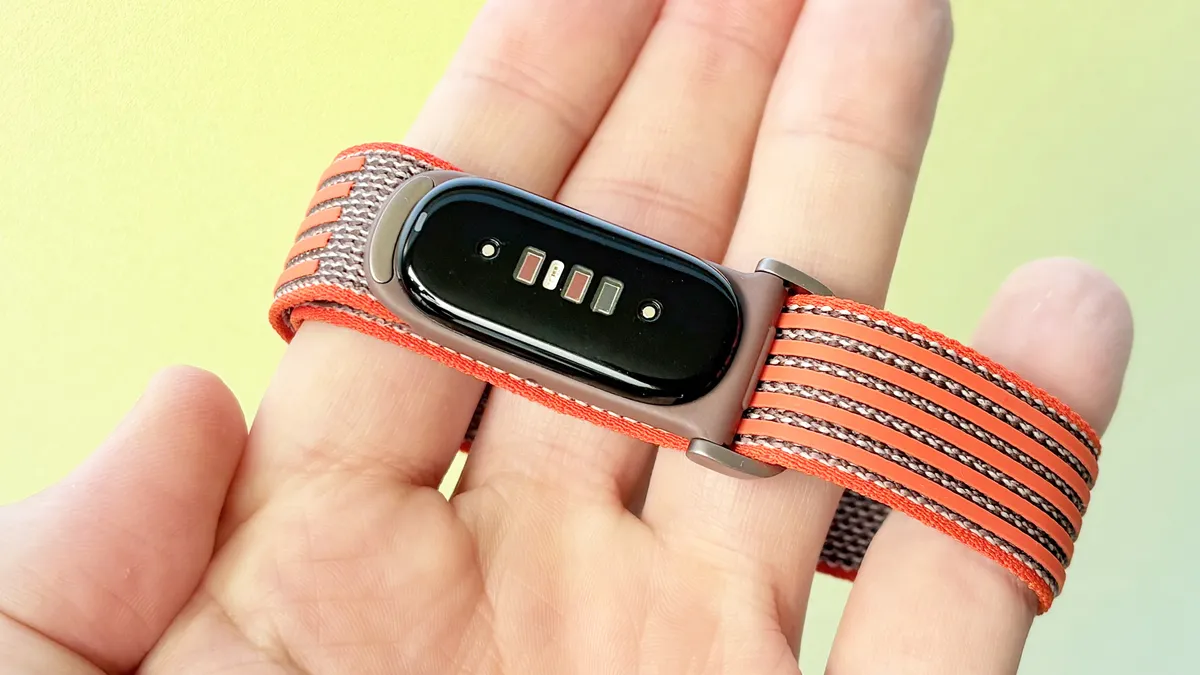
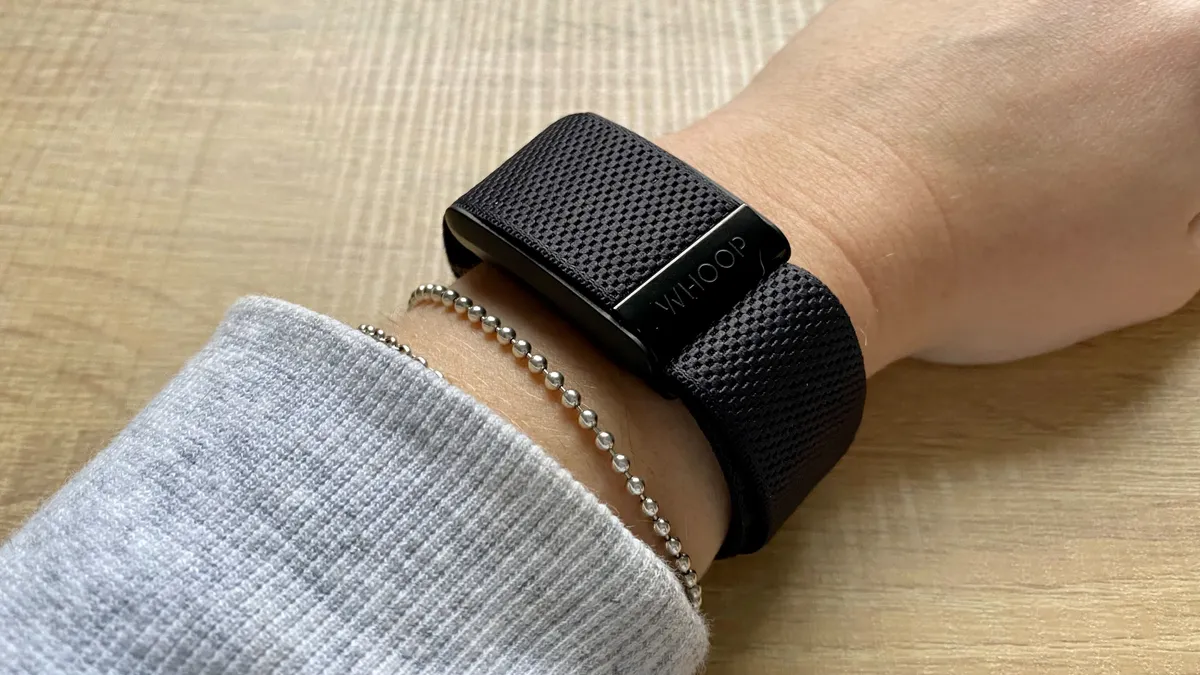
Both trackers are screenless bands, which are designed to disappear on the wrist. There’s one huge difference, especially if, like me, you have tiny wrists. The Fitbit Air is much smaller and lighter than the Whoop 5.0 — it weighs in at 12g compared to Whoop’s 28g.
One benefit of the Whoop is that you can wear the device in multiple locations, like a bicep band or in a sports bra, giving you other options for data capture.
Winner: I found the Fitbit Air far more comfortable than the Whoop MG I tested. I tested the performance band, and found that it never felt overly soggy on my wrist, even after swimming workouts.
| Header Cell - Column 0 | Fitbit AIr |
Whoop 5.0 |
|---|---|---|
Starting price |
$99 |
Free with subscription |
Subscription cost |
Optional, $9.99 a month or $99 per year |
$199, $239 or $359 per year depending on tier |
Dimensions (without strap) |
35 x 17 x 8 mm |
35 x 24 x 11 mm |
Weight (without strap) |
5.2 g |
26.5 g |
Sensors |
Heart rate, SpO2, Skin temp, Accelerometer, Gyroscope |
Heart rate, SpO2, Skin temp, Accelerometer, Gyroscope |
Water resistance |
50 meters |
10 meters |
Battery life |
7 days |
14 days |
Compatibility |
Android, iOS |
Android, iOS |
Fitbit Air vs Whoop: The apps
A screenless tracker is only as good as its app, as you’re not really getting anything from the device strapped to your wrist without it. The Google Health app for the Fitbit Air is extremely user-friendly. However, you’re not getting the same amount of tracking data as you’d get on Whoop, which centers around three color-coded pillars: recovery, strain, and sleep.
During testing, I found the Whoop experience incredibly granular. You’re getting a huge amount of data, and it truly is amazing, but unless you really know what you’re looking for, or you have a coach who can help, it can be pretty overwhelming.
If you subscribe to Google Health Premium, the main differences in your app experience are the AI summaries and Fitbit Coach. This takes all your data and gives you suggestions on how you can better reach your goals. I’ve tested an awful lot of these AI coaches, and the Google Health Premium offering is the best yet.
After my run this morning, for example, the Health Coach told me my heart rate dropped quickly during my cool-down, which is a sign my body is coping with the intensity of my workouts. It’s not something I’d often look for in my running data, and I found the insight genuinely interesting.

One downside to the Google Health app compared to Whoop is the auto-detect workout feature. Google Health only detects five different workout types, although it says it’s adding more, whereas Whoop has endless options. While I found both to be pretty accurate when detecting a run, Google Health struggled to notice I’d done a walking workout or cycled part of my commute, whereas Whoop nailed it both times.
Winner: This one is a tough one to call, but I’d argue that for most people, the Fitbit Air app is simple, easy to navigate, and if you pay for the subscription, it gives you great actionable insights into your health. I do wish there were the option to add slightly more customization to the focus menu in the app, as I’d love to see metrics like my overall distance run per week, but I’m sure this will roll out in a later update.
Fitbit Air vs Whoop: Why I’d choose the Fitbit Air over Whoop
For the average person, you’ll get everything you need and more from the Fitbit Air. The Google Health app is easy to use, and if you pay for the Premium subscription, you’re getting the best AI health companion I’ve tested so far. Plus, for $99, this isn’t a huge investment, but it can help guide you to make actionable differences to your health.
If you’re an athlete or a more data-centric person, there’s definitely still a place for the Whoop on the market. However, next to the Fitbit Air, it’s hard for me to justify spending hundreds of dollars each year, now that there’s a cheaper, lighter alternative in town.

Follow Tom's Guide on Google News and add us as a preferred source to get our up-to-date news, analysis, and reviews in your feeds.
More from Tom's Guide