Welcome to Get Grillin' Week 2026 here at Tom's Guide. We're celebrating everything about the perfect backyard cookout. We want to help you choose the best grill (and the gear to go with it) as well as learn new tips and tricks when it comes to maintenance and best practices. Because now summer is here, it's time to get outside and get grillin'.
You lift the grill lid for the first time since last summer and immediately regret looking. Rust covers the grates. Grease has hardened into a sticky film. Remnants of last year's burgers are baked onto surfaces.
Before splurging on a replacement, try cleaning with household items that cost little. Liam Glennon, Head of Buying at Vonhaus explains: "A lot of people assume they need to replace their grill as soon as they see rust or heavy build-up, but that's not always the case...a proper clean can often bring it back to a good standard."
Here's how to assess whether your grill is salvageable and clean it using cheap kitchen staples.
1. Heat the grill before cleaning
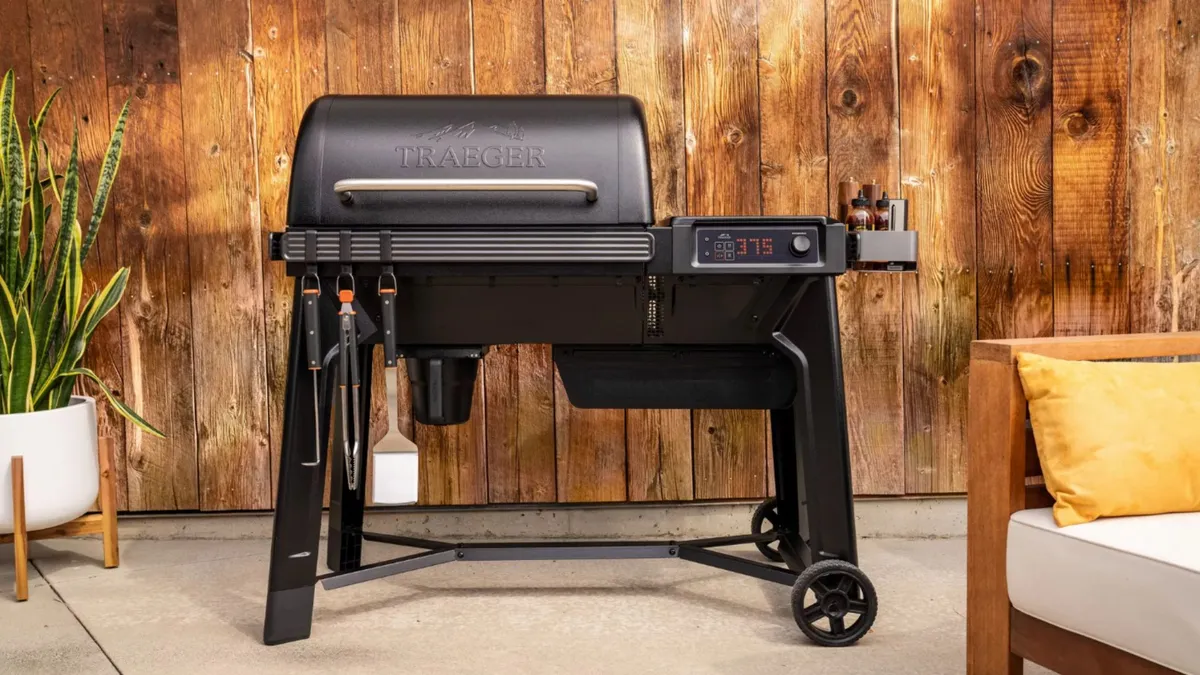
Trying to scrub cold, hardened grease is why most people give up on grill cleaning halfway through. Heat softens buildup and makes it release from metal surfaces with minimal scrubbing.
Turn on your grill and let it heat for 10-15 minutes before cleaning. "A bit of heat goes a long way. Warming the grill before cleaning softens any residue, so you're not having to scrub as aggressively to get the same result," notes Glennon.
"Warm grates can be easier to clean but only work on a grill that is off and cool enough to handle safely. Use long-handled tools or heat-resistant gloves."
This step alone cuts cleaning time in half compared to starting with a cold grill.
2. Use lemon and salt to cut through grease

A fresh lemon removes grease as effectively as commercial degreasers that cost ten times more. The citric acid in lemon juice breaks down fat and burnt-on food while salt provides abrasive scrubbing power.
"Natural ingredients like lemon can be surprisingly effective on grills, especially when paired with something abrasive like salt. It's a simple, low-cost way to tackle grease without relying on heavy-duty chemicals," says Glennon.
Cut a lemon in half and sprinkle coarse salt generously over the cut surface. Then simply use the salted lemon half like a scrub brush, rubbing it directly onto warm grill grates. The acid dissolves grease while salt particles lift stubborn residue mechanically.
Work systematically across all grates, applying pressure to areas with heavy buildup. The lemon releases juice as you scrub, creating a cleaning solution that spreads across metal surfaces. Replace the lemon half when it becomes too worn down to provide effective scrubbing action.
After scrubbing, rinse the grates with water to remove loosened grease and lemon residue. This method works on stainless steel, cast iron, and porcelain-coated grates without damaging finishes.
3. Scrub with crumpled aluminum foil

For carbonized food that lemon and salt don't fully remove, aluminum foil provides more aggressive scrubbing without scratching metal. The rough texture of crumpled foil lifts baked-on residue that softer materials can't touch.
Tear off a sheet of aluminum foil and crumple it into a loose ball about the size of your fist. To protect your hands, you can grip the ball with tongs or wear clothes while scrubbing. Press the foil ball against stubborn spots and scrub in circular motions.
"Avoid aggressive scrubbing on porcelain-coated or delicate finishes. Check your manual first." advises Glennon.
This technique works best on cast iron and stainless steel. Use lighter pressure on porcelain-coated grates to avoid chipping the coating, which exposes metal underneath to rust.
Oil grates after cleaning to prevent rust

"Oiling the grill is a simple step that a lot of people overlook, but it can make a noticeable difference. It helps with cooking, but also adds a layer of protection, especially if its being stored outside or used regularly," notes Glennon.
"A very light wipe of high-heat cooking oil on clean, cool grates can help reduce sticking and slow rust. Avoid excess oil, which can contribute to flare-ups."
After cleaning and rinsing grates, dry them thoroughly with a clean towel. Apply a small amount of vegetable or olive oil to a paper towel or cloth and wipe it across all grate surfaces in a thin, even layer.
Heat the grill briefly after oiling to bond the oil to metal. This creates a protective seasoning similar to what develops on cast iron cookware, which resists rust and prevents food from sticking during cooking.

Follow Tom's Guide on Google News and add us as a preferred source to get our up-to-date news, analysis, and reviews in your feeds. Subscribe to Tom's Guide on YouTube and follow us on TikTok.
More from Tom's Guide