If a few tennis balls have landed in your backyard this year, the neighborly gesture is to throw them back over your fence; however, don’t be too hasty. The humble tennis ball could be the best thing to help wildlife in your yard over the colder months.
The simple yellow ball, with its fluorescent yellow color, may stand out like a sore thumb to you, against the backdrop of the winter tones in your yard, but for birds and hedgehogs, tennis balls have a beneficial purpose.
How a tennis ball can help backyard wildlife

So, how exactly can a tennis ball help wildlife in your backyard during winter? While your lawn is covered with ice and slippery for the little winged creatures underfoot, the solid surface provides stability.
Although birds’ webbed feet are tough and can endure cold temperatures, their little legs can get injured on the ice. The issue for hedgehogs is that a slippery path can make it harder for them to reach food, leaving them undernourished during the cold snap.
It may seem odd that a tennis ball can help wildlife, as it doesn’t provide a food source or melt the surrounding ice; however, what it does provide is a break in the midst of the icy chaos — especially when you have a whole bunch of tennis balls scattered across the entirety of your backyard.
The bright balls provide the birds with a clear spot to land and a solid, non-slippery surface to perch. While hedgehogs can use the balls to steady themselves against icy surfaces, making a safer approach to food sources.
It’s not rocket science, and it doesn’t cost a fortune, but a few tennis balls can add stability to the little creatures in your winter garden.
But you might be wondering, where do I place the tennis balls in my backyard? Firstly, think about where you spot wildlife most often. If you already have a bird feeder or a bird bath (though it might be frozen over), put them as close as you can. And consider patios and borders where you notice they frequent. In the snow, you’ll be able to spot their tiny prints.
For hedgehogs, consider where they hide away, perhaps under a shed, a log pile or thick shrubs, and place them nearby. Even better, invest in a hedgehog shelter to keep them safe.
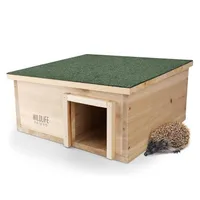
The amount you use will depend on the size of your yard, but for a small outside space, you probably won’t need more than 10 placed in key spots. And even if you don’t have a lawn, you can still put them on slippery pathways to provide a steady footing.
Adding tennis balls to your backyard in winter won’t transform it into a completely safe haven for wildlife in winter, but it will help birds and hedgehogs find carefully placed obstacles to negotiate the hazards of ice, making the cold chill a little bit easier to negotiate.

Follow Tom's Guide on Google News and add us as a preferred source to get our up-to-date news, analysis, and reviews in your feeds.
More from Tom's guide