Keeping your water heater in good condition is a really important task that a lot of are guilty of neglecting. A water heater is responsible for providing you with the hot water you need for day-to-day tasks from washing up, to taking a shower, to running the dishwasher. And to keep it working properly, it should be getting drained.
Unfortunately, it's far too easy to ignore this fairly crucial part of your home because it's usually located in a spot that's hidden out of the way like the loft or basement. Out of sight, out of mind, right?
It's not something you want to forget about though, and once you've remembered to drain your water, the next question is – how often you should we be maintaining our water heaters? Well, I asked a professional plumber what he advises, and it turns out it's more often that you think.
How often should I drain my water heater?
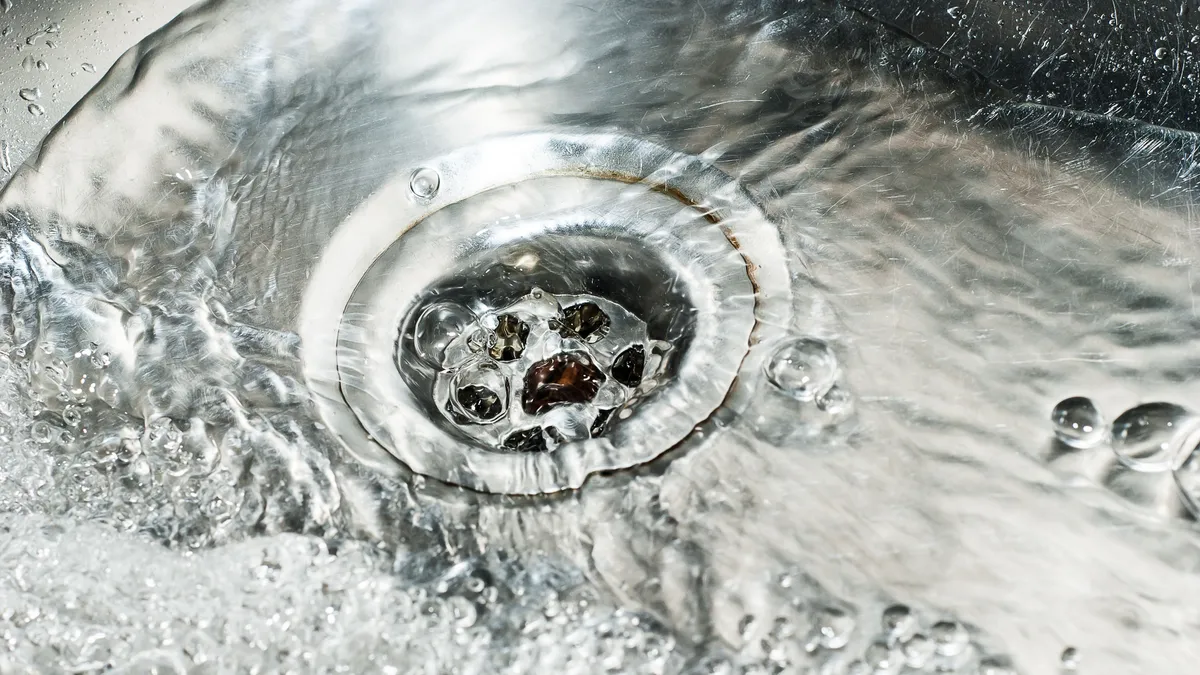
Draining your water heater is a key task to keep it working to the best of its ability – and that means hot, clean water when you need it.
As the name suggests, you drain all the water out, including any potential bacteria or sediment, and flush it through with cold water to make sure you get anything that could be remaining inside your heater. Then, you fill it up again.
But, when it comes to how often you should be carrying out this task, Eric Olson, owner of Olson Superior Plumbing says it's a question he gets asked a lot:
"I have different answers for different people, because it really varies based on where you live and what type of home water filtration system you have in your house, whether or not you have one or not."
"It is a typical best practice for homeowners to drain their water heater once a year."
Eric Olson, Master Plumber and owner of Olson Superior Plumbing
If you do have one though, Olson recommends first paying attention to the water quality in your area, but generally he suggests: "It is a typical best practice for homeowners to drain their water heater once a year."
If you live in an area of hard water though, there's a risk of high mineral sediment content. For this, Olson suggests draining and servicing the water heater "every six months," to preserve the water heater's life.
But, when's the best time to do it? Well, according to Olson, now's the time. "During the winter, the incoming water coming from the ground is actually much colder, and the surrounding environment around the water heater is also colder, which means that the water heater is going to have to work much harder in order to maintain a usable temperature."
So, flushing it out and making sure it's working to the best of its abilities will help it cope with the harder months and avoid additional problems.
Why it matters

So, what are the negative impacts of not draining your water heater then? Because, if I'm totally honest, it's a step I tend to forget. For starters, Olson tells me, I could be wasting a lot of money if I don't.
"It is important to regularly care for your water heater because minerals in the water settle at the bottom of the tank and it forms a layer of sediment. That sediment acts like insulation in between the heat source and the water." Olson explains.
"The burner is at the bottom of the water heater, and so when the sediments sit right above that, it causes the water heater to waste energy, ultimately resulting in higher utility bills due to overheating at the bottom of the tank that turns into premature failure."
Draining and maintaining your water heater then, Olson reveals, could save you money on bills and on having to buy an entirely new water heater: "According to manufacturers, regular maintenance can prevent sediment overheating and buildup, preserving the life of a water heater by up to 25%."
Other ways to maintain your water heater
Aside from recommending draining your water heater, Olson says he also tells his customers "to adjust the temperature of your water heater to 120 degrees."
This, he explains, means that your water heater doesn't have to work as hard – and it's unlikely you're going to want to shower in anything hotter than 120 degrees anyway.
He does add, though, that when doing this, you should watch out for thermal cross connection, as you might be getting unintentional cold water that stops you reaching the desired heat. For this, it's best to ask a professional to solve the issue.
Finally, he also suggests that if you're tempted to flush or drain your water heater yourself: "You must pay attention to whether you have a plastic drain valve or a brass drain valve."
Adding: "One will be either white or gray because it's plastic, and another one will be the color of brass. In the event that you have an aged water hater and you have a plastic drain valve, I highly recommend hiring a professional to drain the water heater for you."
He explains that in some cases he's seen, the plastic valves can snap off, causing damage to your property and even you. So, either hire a professional or do it yourself, but make sure you do your research beforehand.

Follow Tom's Guide on Google News and add us as a preferred source to get our up-to-date news, analysis, and reviews in your feeds.
More from Tom's Guide
- Experts are advising homeowners to pour vinegar down their drains this October — here's why
- Kitchen sink smell bad? Try this 3-step hack to fix it instantly
- I used to literally pull my hair out when cleaning my shower drain — but this 3-step routine has saved me from the worst bathroom cleaning job