The cost of streaming in 2026 — what we're paying now vs 5 years ago (and how to save money)

Cutting the cord was supposed to be the great money-saving hack of the 2010s: Ditch cable, and somehow pay less to watch more. For a while, it worked. Back in 2021, you could cobble together a respectable streaming lineup for the price of a couple of takeout dinners, with minimal (or no) ads and only mild decision fatigue.
Fast-forward to 2026, and the landscape has shifted. Prices are up, tiers are multiplying, ads are back (with a vengeance), and streaming is starting to look suspiciously like … cable.
According to Bango’s Subscription Signals 2026 report, the average American has 5.2 subscriptions and is spending about $69 per month. That’s not exactly the cheaper, cord-cutting future we were promised.
Streaming prices then vs. now
Five years ago, the streaming landscape was crowded but still manageable. A handful of core services with relatively straightforward pricing. In 2026, everything costs more, and ad tiers make it less simple.
Service |
April 2021 price (ad-free) |
April 2026 price (ad-free) |
2026 ad tier |
Netflix |
$13.99 |
$19.99 |
$8.99 |
Disney+ |
$7.99 |
$18.99 |
$11.99 |
Hulu |
$11.99 |
$18.99 |
$11.99 |
HBO Max |
$14.99 |
$18.49 |
$10.99 |
Prime Video |
$12.99 (with Prime) |
$19.98 (with Prime + Ultra tier) |
$14.99 |
Individually, these increases don’t look outrageous; a few dollars here, a few there. But stacked together, they tell a different story.
In April 2021, subscribing to these five services (ad-free) would've cost you $62. Today, that same lineup is $78 (with the ad-free Disney+, Hulu bundle), nearly a 26% hike.
The biggest shift isn’t just the price hikes, but that ad-supported tiers are now the default entry point. What used to be the standard experience (no ads, better quality) has been repositioned as a premium upgrade. And with password-sharing crackdowns, you can't even split the cost of a subscription with your parents and friends anymore.
Bundles are multiplying (cable's back, baby)
In a twist everyone saw coming, bundles are back. Streaming services have figured out that bundles draw in subscribers with the promise of value ... which is the same thing cable figured out three decades ago.
The most obvious example is the Disney ecosystem: Disney+, Hulu and ESPN Select packaged together at a discount. On paper, it’s absolutely a good deal. You get all three for $19.99, when individually they total $37. But in practice, it’s easy to end up paying for ESPN Select without opening the app for months.
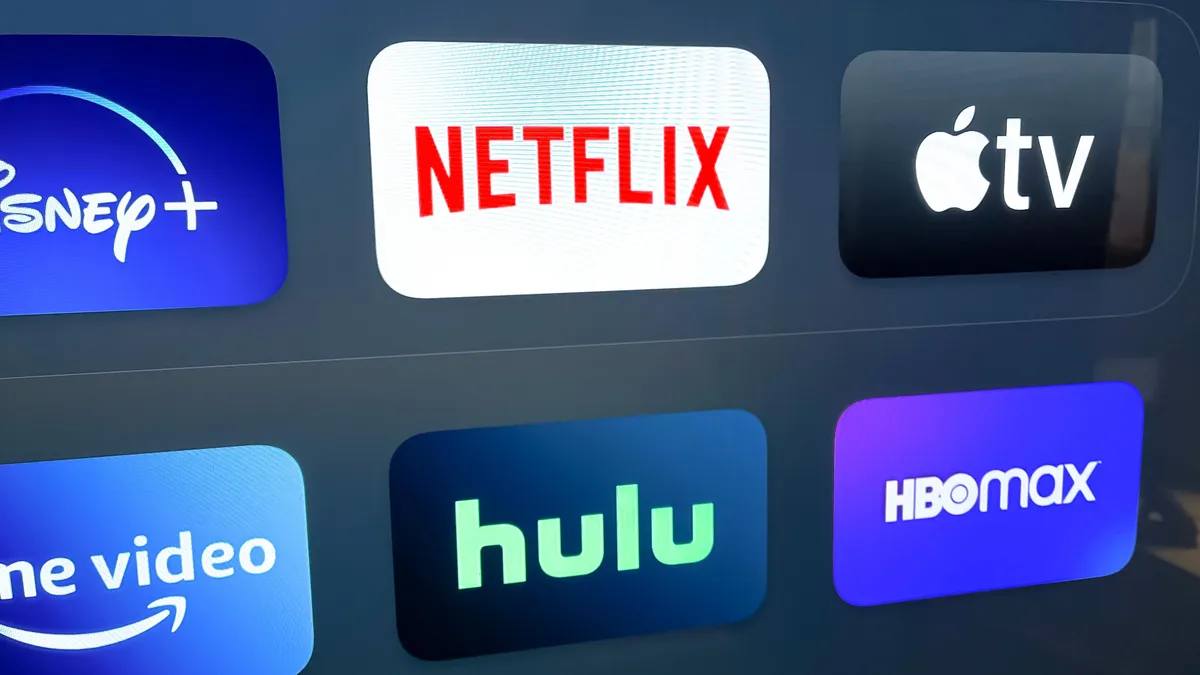
The phone carriers have gotten in on it, too. Verizon has plans that come with Disney+. Same with T-Mobile and Netflix. Other carriers throw in Apple TV or HBO Max. These feel like free perks until you notice they're attached to the more expensive phone plan you might not have otherwise chosen. Same thing with premium credit cards, which give you streaming credits but carry a high annual fee.
The pitch across all of these is the same: convenience. One bill, one login, one ecosystem. But the tradeoff is flexibility. You’re no longer paying strictly for what you watch, but rather the idea that you might use it. Which is, of course, exactly how cable worked.
How to actually save money on streaming in 2026
I deploy two strategies to save on my streaming budget for the year, both of which require some discipline and patience. The first is rotating:
- Pick the two services you use most and keep those year-round.
- Every month, subscribe to a third service.
- Cancel it immediately (the subscription should remain active for the month).
- Aggressively watch your favorite shows and the buzziest new releases.
- Repeat steps 2-4 with the other services throughout the year.
The second strategy is to wait for deals. Not bundles, but actual, honest-to-goodness deals. I usually cancel my streaming annual plans in November because most streamers offer a Black Friday deal. Apple TV was half off for six months, and the Disney+/Hulu bundle was 61% off. Some streamers also roll out discounts throughout the year, usually pegged to a big release or event. For example, Paramount+ had a fantastic deal during March Madness that cut nearly 85% off the price of its Premium plan.
The bottom line on streaming costs
Streaming is still better than cable: more flexibility, no contracts and you can actually cancel easily. I'm still mad about the multi-day, multi-hour process of canceling Spectrum a few years ago.
You're no longer locked into a bloated cable package with 100+ channels you never asked for, but the gap has closed a lot now that prices have skyrocketed and bundles are becoming more prevalent. Cutting the cord and moving to streaming was supposed to save us all money. That dream is mostly dead, but you still have the power to rotate, downgrade or scale back entirely. If you don’t want to empty your wallet, you can’t just be a subscriber anymore — you need to be a streaming strategist.

Follow Tom's Guide on Google News and add us as a preferred source to get our up-to-date news, analysis, and reviews in your feeds.
More from Tom's Guide