






With Valve announcing its Steam Machine and Steam Frame, it's set to deliver its Linux-based SteamOS to the living room, virtual reality and beyond. But the company has another trick up its sleeve — bringing Windows games to Arm devices.
Valve has been laying the groundwork to make games that are generally only playable on Windows devices available on Arm, as SteamOS architect Pierre-Loup Griffais explains in an interview with The Verge. This is made possible by using Proton, a compatibility layer for Steam, and Fex, an open-source emulation layer, with a combination of both allowing x86 games for Windows PCs to run on Arm-based devices.
As noted, the game distribution giant has been funding open-source developers since 2016 to make this possible, with the goal of making it easier for game developers to see their titles on multiple platforms. Essentially, this takes the pain out of porting games to different devices that go beyond Windows-based x86 machines. More importantly, it hints that SteamOS (and more Windows titles) can be used and played on your smartphone, tablet, Arm-based laptop and more.
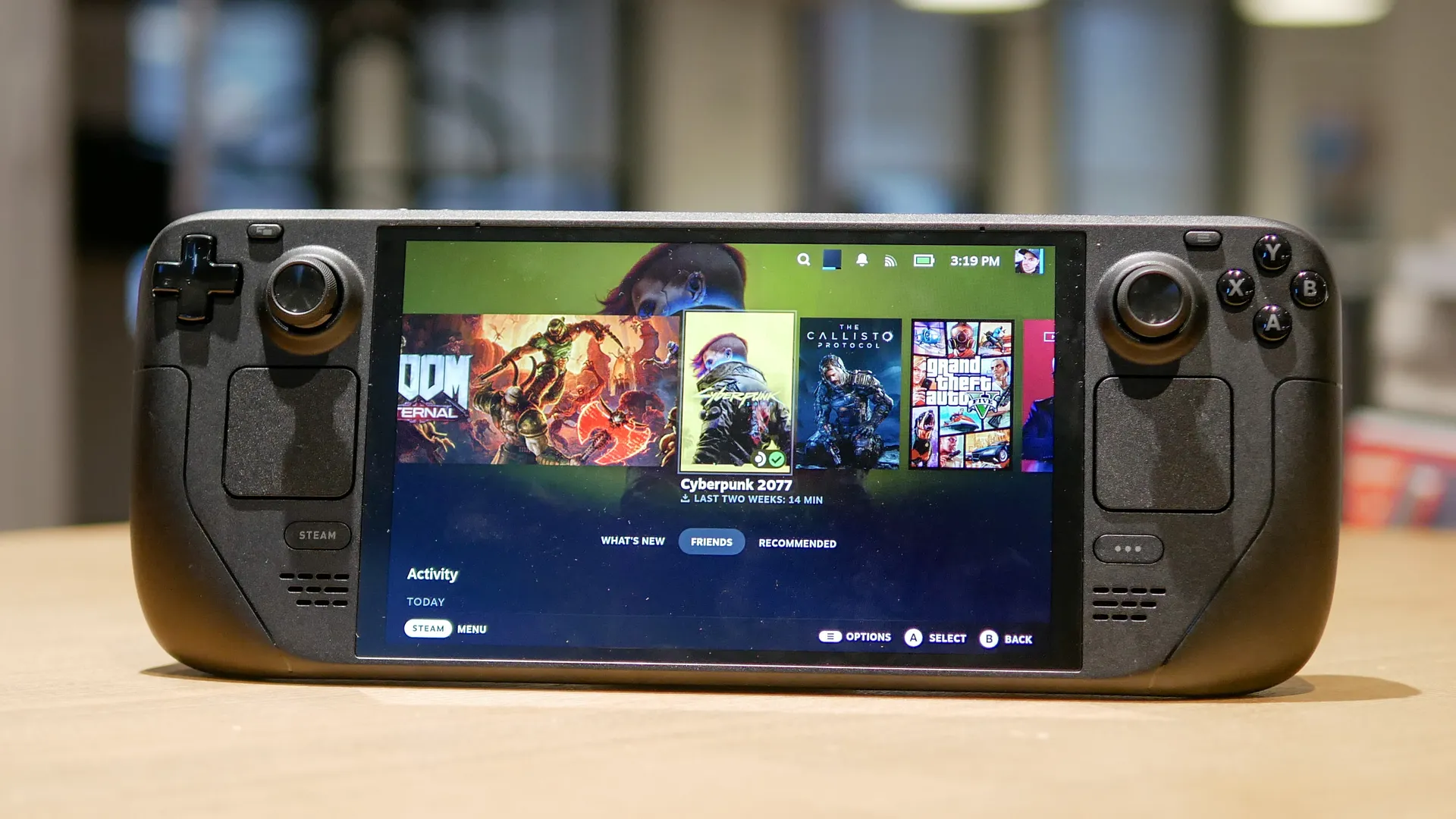
There were already signs of this on the Steam Deck, with the Linux-based gaming handheld being able to run games otherwise reserved for Windows that use Microsoft's DirectX application programming interfaces (APIs). And with the GameHub app for Android, you can play games from Steam on your Google Pixel 10 Pro, Samsung Galaxy S25 and more.
Does that mean SteamOS will come to phones? It's a possibility, but as Griffais points out: "I don’t know if that’s going to be a big focus for us to develop local content or try to develop SteamOS for devices like that." But there's one device that would see huge benefits from an Arm-based chip, and that's the Steam Deck 2.
Steam Deck 2 on Arm?
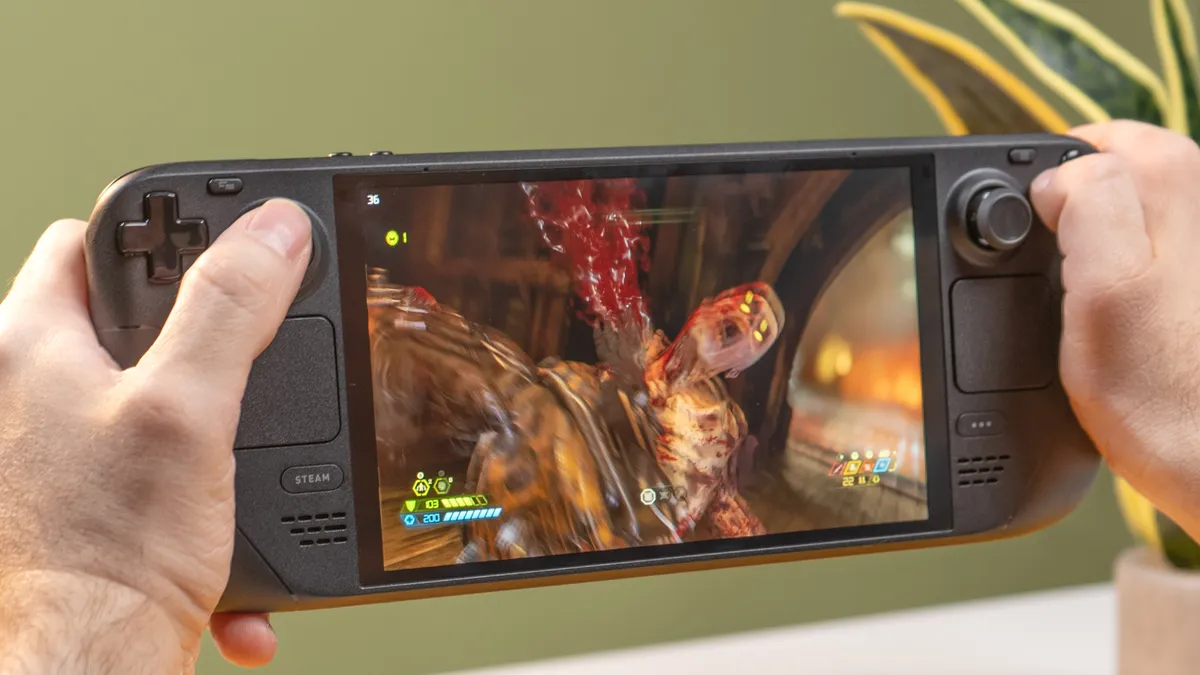
We've seen a push for Arm-based gaming recently, with the Snapdragon X2 Elite for laptops playing games like Cyberpunk 2077 and Black Myth: Wukong running as high as 90 frames per second (FPS) after testing. Moreover, I'm impressed to see that the Steam Frame VR headset with a Snapdragon 8 Gen 3 chip will be able to play VR and non-VR Steam games.
It's become clear that gaming on Arm-based devices is only getting better, and this could be an advantage for the future of gaming handhelds. Namely, in battery life, as Arm-based chips from Qualcomm have shown incredible power efficiency while still offering peak performance. While the ROG Xbox Ally X shows strong battery life at nearly three hours, an Arm SoC that uses Valve's Proton and Fex to play games on Steam would push battery limits further.
When asked about the future of handheld gaming with Arm, Griffais states: "I think Arm devices are definitely a good fit for lower performance, like anything lower than Steam Deck. But it’s possible it’ll be a good option for something on the order of the Steam Deck performance envelope."
There’s a lot of price points and power consumption points where Arm-based chipsets are doing a better job of serving the market.
Valve's Pierre-Loup Griffais
Of course, this shows that Valve is staying tight-lipped about what its rumored Steam Deck 2 will come packed with, with previous tips indicating it will feature an AMD chip (as with the current Steam Deck). Still, with the advancements Valve is funding to deliver Windows games to Arm, and how these chips are already seeing a big boost in gaming performance, there's good reason for Valve's next gaming handheld to run on Arm.
"There’s a lot of price points and power consumption points where Arm-based chipsets are doing a better job of serving the market," Griffais says. And with the goal of making Arm-based devices a platform for all games to run, so gamers and developers don't have to worry about the architecture a device is using, it looks like a good fit for a next-gen Steam Deck.
There's no telling when we'll see a Steam Deck 2, as we're still waiting for the Steam Machine, Steam Frame and all-new Steam Controller to drop in spring 2026. But it's clear Valve’s Proton and Fex will make Arm chips a viable option for the next Steam Deck, and I, for one, would love to see SteamOS on more devices.

Follow Tom's Guide on Google News and add us as a preferred source to get our up-to-date news, analysis, and reviews in your feeds.
More from Tom's Guide
- I'm fed up with gaming on Windows 11 — here's how Valve's Steam Machine can fix PC gaming
- Valve Steam Frame vs Meta Quest 3: Here's how the VR headsets compare
- Brace yourself: PCs, laptops and phones may jump in price as early as December thanks to a '500%' RAM/SSD surge

