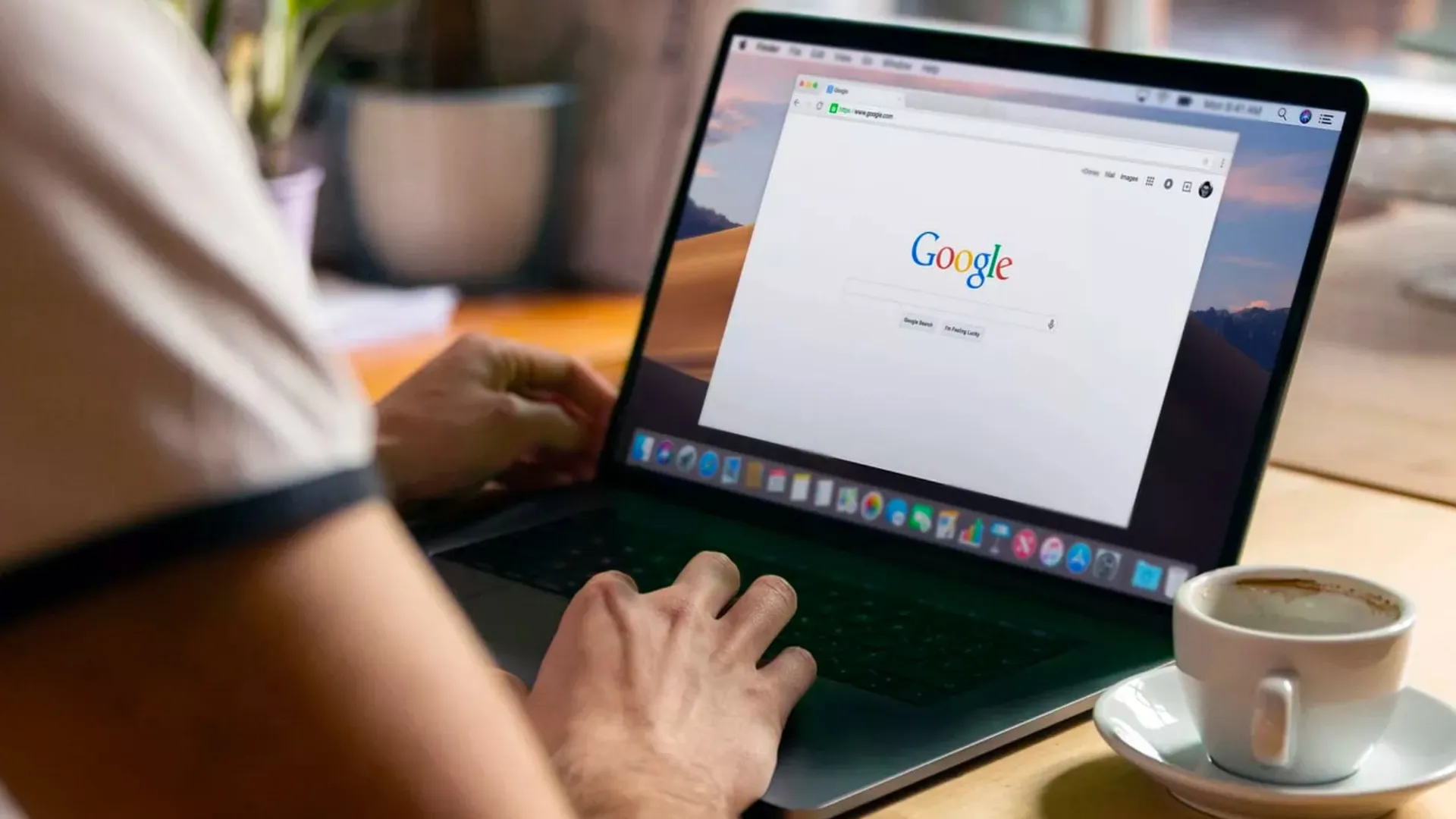
The internet is heading toward a future that some publishers are calling "Google Zero." Unlike Google AI or Google Workspace, "Google Zero" is not an official product. Rather, it's a nickname for a growing fear inside the publishing industry: a world where Google sends almost no browsers to actual websites because AI Overviews answers your questions before you ever need to click a link.
For decades, websites created content and Google helped people find it. In exchange, publishers received visitors, ad revenue and subscribers. But AI is changing that relationship completely.
Why it's called Google Zero
The term refers to a future where traffic from Google approaches zero for many websites. Traditionally, if you searched "How do I clean white sneakers?" or "What is the difference between ADHD and OCD?" Google would present a list of links to websites that specialize in answering such queries and you would need to choose one.
Today, Google increasingly answers those questions directly through AI Overviews and its newer AI-powered search experiences. Instead of sending you to a website, Google often summarizes the answer itself. Whether or not that query is accurate, doesn't seem to matter.
For example, an AI Overview of the Google search "Amanda Caswell" suggests I'm a promenient industry voice, AI editor and children's book author. However, because there is a woman in Canada named Amanda Caswell whose profession is a "naming strategist" and another Amanda Caswell, an actress in Los Angeles, Google thinks we are just one person.
See where this gets confusing? That query about ADHD and OCD differences might not be as accurate as you hope. In fact, statistically, 1 in 10 AI Overview searches are not accurate.
And while getting a single answer might be convienent for users, it's terrifying for publishers and journalists like me because our goal is to provide accurate information, reviews and breaking news day in and day out.
The rise of the zero-click internet
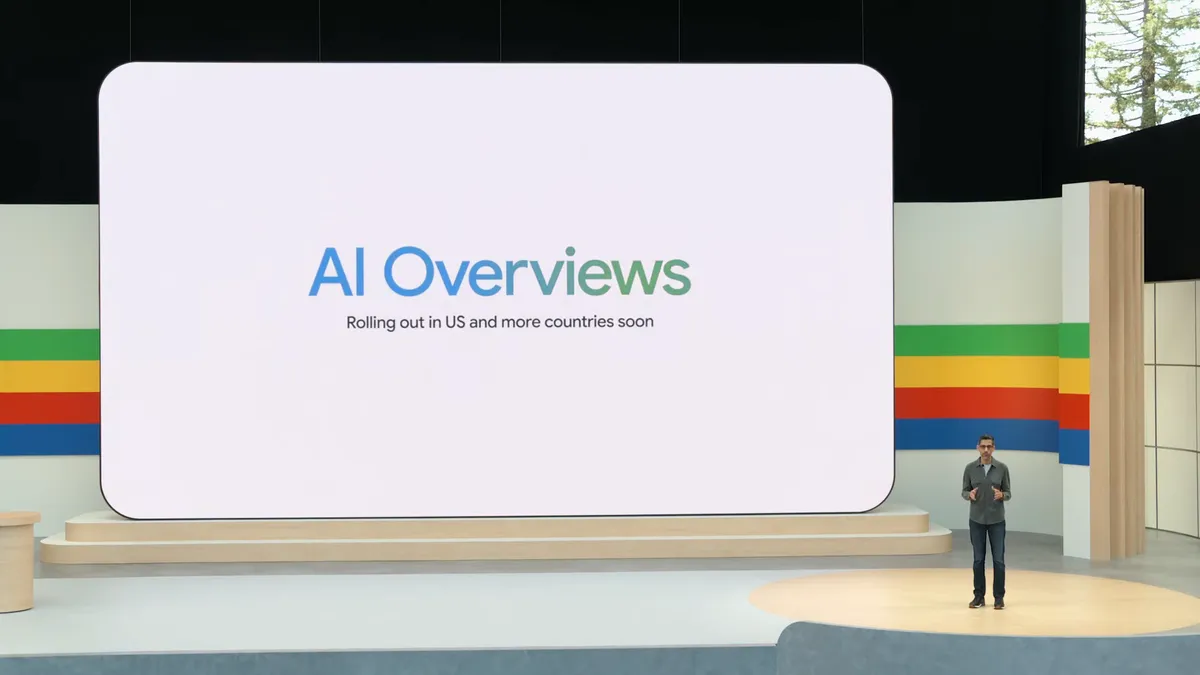
The trend actually started before generative AI arrived. Featured snippets, knowledge panels and direct answers gradually reduced the number of people clicking through to websites. But AI has accelerated the shift dramatically.
Multiple industry studies now estimate that a majority of Google searches end without a click through to a website. Some estimates place zero-click searches above 60%, while AI-powered search experiences can push that figure even higher.
In other words, people are getting what they need directly from Google because the search engine is becoming an answer engine.
And while the AI summaries are a problem (because the synthesized information can lack accuracy), another critical issue is where the information comes from. Every AI Overview is built using content created by publishers, journalists, researchers, bloggers and experts. Yet if users never visit the original source, those creators lose the traffic that traditionally funded their work.
According to industry reports, Google search referrals to many publishers have already declined sharply. One analysis found traffic from Google Search to thousands of websites dropped by roughly one-third year-over-year. Other studies have documented severe referral declines across parts of the publishing industry.
Google sees the situation differently
The company argues that AI-powered search helps users ask more complex questions and discover information faster. Google says AI features can create new opportunities for websites by surfacing content in different ways and helping people explore topics more deeply.
From Google's perspective, search is evolving to match how people naturally seek information. But what they aren't saying is with 77% of users treating ChatGPT like Google, the company needed a way to keep up.
Google recently described AI-powered Search as the biggest change to the product in more than 25 years. The company has reported that that AI-powered searches are significantly longer and more conversational than traditional keyword queries. Instead of typing "best running shoes," users might ask:
"I'm training for my first half marathon and need running shoes for flat feet under $150."
That's not really a search, it's a conversation, and naturally conversations end with answers rather than links to sift through.
The takeaway

AI search is here. The question now is whether the internet can continue producing high-quality content if fewer people ever visit the websites creating it. And at a time when researchers are already documenting measurable traffic declines when AI-generated summaries appear above traditional search results.
One recent study found that Google's AI Overviews reduced traffic to affected Wikipedia pages by approximately 15%. That's why publishers are watching the rise of AI search so closely.
If search engines become increasingly capable of answering questions themselves, the websites that taught them those answers may need entirely new ways to survive. And that could reshape the web as dramatically as Google reshaped it twenty years ago.
What do you think of AI Overviews? Share your thoughts in the comments below.

Follow Tom's Guide on Google News and add us as a preferred source to get our up-to-date news, analysis, and reviews in your feeds. Subscribe to Tom's Guide on YouTube and follow us on TikTok. Finally, you can visit our dedicated Tom's Guide Savings Squad hub for expert help on getting the best products for less.
More from Tom's Guide