AI is getting faster, cheaper and more embedded in everyday tools — but every once in a while, a story comes along that makes you stop and rethink what this technology is actually capable of.
This is one of those moments.
First reported by Variety, a new film, "As Deep as the Grave," will feature Val Kilmer — despite the fact that the actor died in 2025. And it’s not archival footage or a cameo. It’s a performance recreated using AI.
At first glance, it sounds like something out of science fiction. But this isn’t theoretical anymore. It’s actually possible and happening now in Hollywood — and it raises bigger questions than just how the tech works.
How AI recreated Val Kilmer for a new movie

The filmmakers behind "As Deep as the Grave" used AI to digitally reconstruct Kilmer’s voice and likeness, allowing him to “appear” in the film in a way that goes far beyond traditional CGI or body doubles.
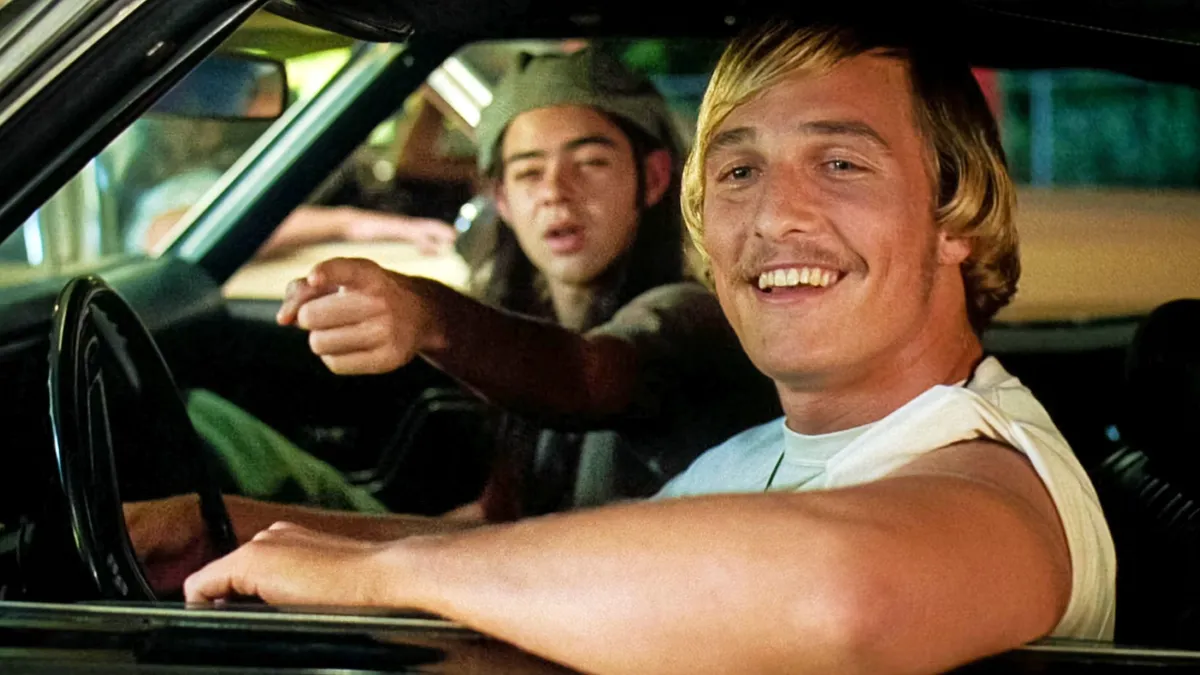
This builds on technology Kilmer had already experimented with before his death and other actors like Matthew Mcconaughey have done. After losing his natural speaking voice due to throat cancer, AI tools were used to recreate his voice for projects like "Top Gun: Maverick" — a moment that many viewers didn’t even realize was AI-assisted.
What’s different now is the scale. Most of us are used to smaller scale tools for AI video generation like Veo 3.1 and Sora. But now, instead of enhancing a performance, AI is effectively enabling a new one. Tools like those from ElevenLabs can effortlessly recreate any voice with a single prompt for use in later projects.
And importantly, this wasn’t done without permission. Variety reported that Kilmer’s family was involved in approving the use of his likeness, adding a layer of legitimacy — but also complexity — to the project.
This is bigger than one movie
This could be a turning point in Hollywood. The film industry has been experimenting with digital humans and de-aging technology for years. But AI is accelerating that shift in a way that’s faster and more convincing than anything we’ve seen before.
We’re now entering a phase where actors can appear in films long after they’re gone, performances can be extended, modified or recreated and studios can build entire scenes around synthetic versions of real people.
And this isn’t limited to movies. The same underlying technology is already showing up in video cloning tools, AI-generated video platforms and virtual influencers and digital avatars. The gap between “real” and “recreated” is shrinking quickly.
The ethical line is getting harder to define, too. What makes this story especially compelling isn’t just the technology — it’s the questions it raises. Even with family approval, there’s still a deeper conversation happening. There's no clear answer to questions like where do we draw the line between tribute and exploitation or even who owns a person's likeness after they die.
AI is moving faster than what we thought was possible and even the laws and ethics around it.
Final thoughts
AI stories often focus on productivity, speed or convenience — and those are important. But moments like this highlight how AI is reshaping culture. Artificial intelligence has gone beyond summaries and writing emails faster to reshaping what it means to exist in a digital world.
And if this technology continues to evolve — which it will — we’re likely to see more projects like this in the near future. Whether you find this technology exciting or unsettling, it shows how far the technology has come.

Follow Tom's Guide on Google News and add us as a preferred source to get our up-to-date news, analysis, and reviews in your feeds.
More from Tom's Guide