




A new post from Palantir Technologies is sparking conversation across the tech and AI communities after CEO Alex Karp argued that people who think differently may play an outsized role in shaping the future of AI.
In a message shared on X, Karp wrote that “the neurally divergent (like myself) will disproportionately shape America’s future.” The post accompanied the announcement of a new program designed specifically to recruit neurodivergent talent into the company.
Right now, the word neurodivergent is often used to describe struggle — kids who have trouble focusing in school, people who don’t fit neatly into traditional workplaces or minds that operate a little differently than expected.
As a mother of a neurodivergent child, this news gives me hope for the future. It reflects an idea that’s gaining traction in parts of the tech world: that the same traits often labeled as challenges in traditional environments may actually be advantages in fields like AI, cybersecurity and advanced software engineering.
What does neurodivergent mean?
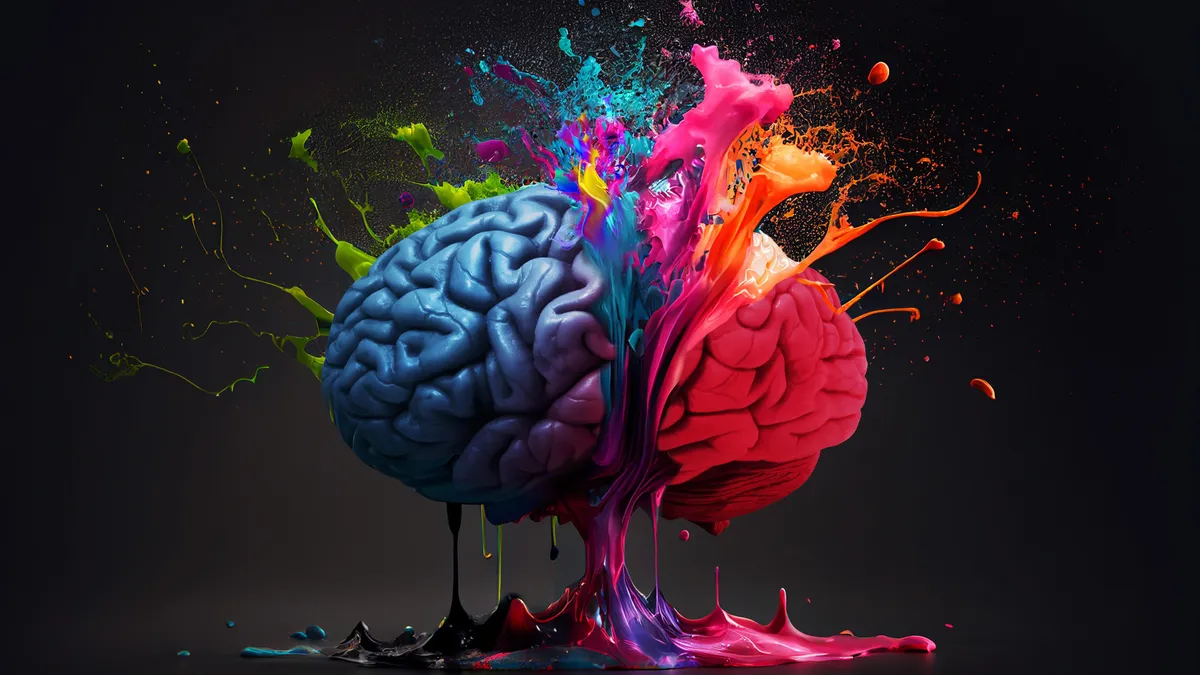
I am not a doctor, but from my extensive experience dealing with my daughter's medications, psychiatrists, doctor's appointments and a long list of IEP struggles, I have a very good handle on what neurodivergent means.
The term neurodivergent refers to people whose brains process information differently from what’s considered typical.
It’s often used as an umbrella term for neurological differences such as:
- ADHD
- Autism spectrum disorder
- Dyslexia
- Dyspraxia
- Tourette syndrome
These differences can affect things like attention, learning styles, communication or sensory processing.
For many people, neurodivergence can come with real challenges in traditional environments like classrooms or offices that are built around a narrow idea of how people should think and behave.
That’s part of why Palantir’s announcement stood out to me. As a mother of a neurodivergent child, it suggests a future where thinking differently isn’t something to overcome — it’s something companies actively seek out.
Palantir’s new neurodivergent fellowship
A message from Dr. Karp:"The neurally divergent (like myself) will disproportionately shape America's future. We see past performative ideologies and perceive beauty in the world that still exists — which technology and art can expose.The current LLM tech landscape is biased… https://t.co/vQhIrhrZ42December 7, 2025
The program, called the Neurodivergent Fellowship, is aimed at candidates whose thinking styles may not align with traditional hiring pipelines. According to the company, the fellowship looks for people who:
- Think quickly but may struggle to explain ideas in conventional interviews
- Have intense focus on specific topics
- Approach complex problems in unconventional ways
Participants work on real projects involving data analysis, artificial intelligence and national security technology.
While many tech companies have diversity initiatives, Palantir’s approach stands out because it explicitly frames neurodivergent thinking as a competitive advantage in solving complex technological problems.
How to apply for Palantir’s neurodivergent fellowship
As part of its push to recruit unconventional thinkers, Palantir Technologies' Neurodivergent Fellowship program focuses on individuals who approach problems differently — something CEO Alex Karp believes could become a major advantage in the AI era.
Participants in the fellowship work on real-world projects involving AI, data analysis and software development.
Compensation varies by role and experience, but the company says positions tied to the program can reach around $200,000 in total pay.
Applicants can explore current openings and fellowship details directly on Palantir’s careers page:
- Visit the Careers section on the Palantir Technologies website
- Search for roles related to the Neurodivergent Fellowship or early-career engineering positions
- Submit an application online with your resume and background information
Unlike many traditional hiring processes, the program is designed to identify candidates whose problem-solving abilities may not always show up in standard interviews or resumes.
For families like mine, the idea that companies are actively looking for people who think differently — rather than asking them to fit a mold — offers a hopeful glimpse of how the tech industry may evolve.
Why neurodivergence can be valuable in AI
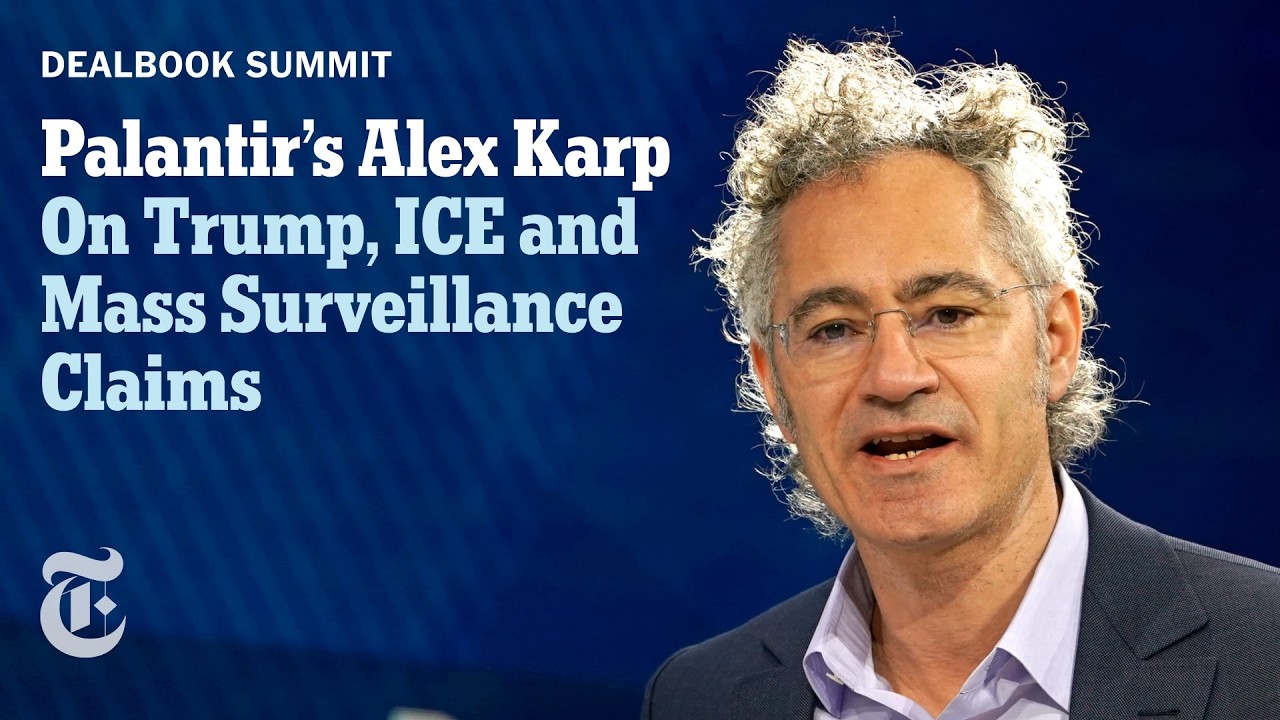
During The New York Times' Dealbook Summit, Dr. Karp shared his thoughts in the context of AI development and how certain cognitive traits can be particularly useful.
Many neurodivergent individuals — including those with ADHD, autism or dyslexia — often demonstrate strong pattern recognition, deep focus on technical subjects, noninear problem-solving and willingness to challenge assumptions.
These traits can translate well to fields like machine learning and large-scale data analysis, where identifying unusual patterns or building novel solutions is often key.
In fact, several researchers and tech leaders have increasingly argued that the AI industry benefits from diverse cognitive approaches, not just diverse backgrounds.
The takeaway
Karp’s comments tap into a broader conversation about how traditional hiring practices may filter out talented people whose strengths don’t show up well in standard interviews.
Many AI engineers and developers thrive in environments where creativity, experimentation and unconventional thinking are valued — qualities that may not always align with rigid corporate hiring structures.
By creating a fellowship built around those strengths, Palantir is effectively betting that different ways of thinking will help power the next generation of AI breakthroughs.
If Palantir’s bet proves right, the next wave of innovation in AI could come from the very thinkers who once struggled to fit into conventional workplaces. And according to Karp, that’s exactly the point.

Follow Tom's Guide on Google News and add us as a preferred source to get our up-to-date news, analysis, and reviews in your feeds.
More from Tom's Guide

