Training your eyes and ears to better recognize a scam is a vital skill for most folks, young and old.
With the growing number of AI tools that are improving at a fast rate, so is the number of claims from those who’ve fallen victim to AI scams. According to the FBI’s 2025 Internet Crime Report, cryptocurrency and artificial intelligence-related complaints stood out as some of the costliest cybercrimes that have defrauded Americans of almost $21 billion. An FBI press release also pointed out that “For the first time in its nearly 25-year history, the IC3 report features a section on artificial intelligence, which accounts for 22,364 complaints, costing Americans nearly $893 million.”
AI scams can be very convincing — audio deepfakes that mimic the voices of people you know and emails written by AI can be very convincing and remain a constant threat. Luckily, there are a bunch of easily recognizable warning signs that can tip you off to them.
Here are the seven biggest clues that allude to an AI scam and the best ways to keep you safe from them.
Keep yourself, your loved ones and your bank accounts safe

Voice clones that target you over the phone, phishing emails and emails that include suspicious-looking links have gotten even more refined now that AI is being used to make them sound and look more legitimate.
With your gut instinct in tow, you’ll need it alongside these seven warning signs that’ll put you on high alert and compel you to avoid a terrible outcome:
- Highly personalized messages: AI tools can generate an email scam that includes your personal details, as they can easily incorporate public details about you that mention your job, hobbies, recent purchases, etc. It’s always worth looking through messages tailored to you that may read just fine but still set off your inner alarms. Those emails that get sent your way by companies you frequently use should always have your correct info, while scammers who’ve generated email scams with the help of AI may include errors about your life if you look hard enough.
- Urgent requests: It’s easy to pick up on a potential scam when you open your texts, email, or answer the phone when you’re being rushed to fulfill an urgent request. “Act now or your account will be locked.” “Send your payment immediately.” “Please send your login credentials to unlock your account.” AI scams, such as those and many others, are easy to spot and will keep you safe from sending money or any other sensitive information.
- Messages that are a little too polished: It’s still common to come across a message in your inbox that’s clearly a scam since it’s filled with misspellings and other visible grammatical errors. But with AI, those types of phishing scams have gotten better at cleaning up those mistakes and come off better when read by unsuspecting victims. It’s fine to be skeptical of a message that uses generic phrases, such as “Confirm your information to avoid cancellation” and “We noticed unusual activity on your account,” especially when those messages are accompanied by iffy-looking imagery or none at all.
Other clear signs of a scam on your radar
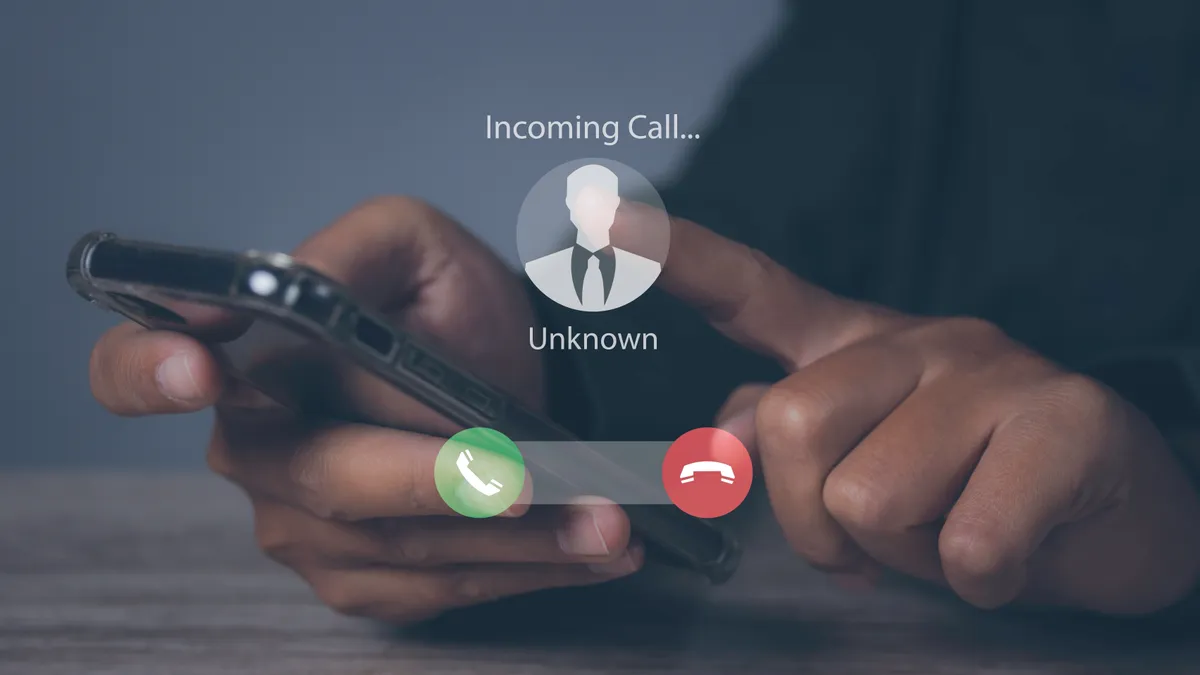
Besides scams that still incorporate familiar tactics, there are scams powered by AI that will perk your ears up when you start listening for some unmistakable signs:
- Unnatural-sounding audio: Deepfakes that are aimed at mimicking the voices and speaking patterns of your loved ones can be one of the toughest AI scams to not be fooled by for some. But even AI voices can slip up and give themselves away, due to unnatural pacing in their speech rhythm, a lack of emotion in the voices themselves, and odd requests that don’t match the usual behavior of whoever’s being imitated on the other end of the phone.
- Video deepfakes: AI scams not only copy voices for their deepfakes, but they can also generate deepfake videos that look eerily real as they show you people you know and love to get money or important information out of you. Even deepfakes of celebrities are a thing! These types of vids can come through on FaceTime from friends and family, through work from a higher up, through social media from celebs and friends that have been hacked, etc. For these AI scams, keep an eye out for facial discrepancies, inconsistent lighting, or weird shadows in the footage you’re watching.
- Moving the proceedings somewhere else: Chatbots are used by scammers to sound legit as they start or continue a conversation, as they try to move you from one platform to another to get something out of you. Once someone pressures you to move your conversation over from an email to WhatsApp, a text message to a Cash App, or LinkedIn to Telegram, you should realize something’s up.
- Strange payment requests: Those AI-generated emails that are made to look believable shouldn’t fool you once you spot pleas for payments via gift cards, wire transfers, or cryptocurrency. That’s a huge red flag and is always easy to pick up on.
Bottom line
Today’s advanced AI models have the capacity to pen up legit-looking messages and evoke the same vocal patterns of the people you’re most familiar with. But these warning signs should help you steer clear of well-worn scams that are now being supplemented by AI and those that have been born because of the ever-evolving technology.
Make sure you and your closest family and friends know what to look and listen for if they’re ever being targeted by an AI-powered scam.

Follow Tom's Guide on Google News and add us as a preferred source to get our up-to-date news, analysis, and reviews in your feeds. Subscribe to Tom's Guide on YouTube and follow us on TikTok.
More from Tom’s Guide
- I use AI every day — these 7 rules keep me safe from making the biggest mistakes
- I use ChatGPT every day — I stick to these 3 rules to protect my privacy
- Stop pasting this into AI — 7 things you should never share with a chatbot