It’s hard to keep up with the onslaught of AI chatbots and other related technologies available these days.
Popular AI tools, such as ChatGPT, Gemini, Claude and Perplexity, are joined by a wide range of comparable options that are also evolving rapidly. And with so many companies relying on AI, it can feel exhausting and even a bit worrisome, given how much AI is becoming a major part of our daily lives. The continued evolution of AI tools has resulted in them working smarter and faster to complete the requests of their users.
Despite rapid advances in AI capabilities, public trust hasn’t kept pace. Surveys show growing unease about how AI is used today — and even greater concern about what it could do in the future. I’ve zeroed in on seven reasons why you and anyone you might know are trusting AI less than ever before during a time of breakthroughs with the popular technology.
AI is becoming smarter, yet it still makes mistakes
Conducting simple/long research, generating important notes (personal financial outlines and even legal document breakdowns, for example) and summarizing emails and uploaded documents are just some of the actions most AI chatbots can perform. And with that comes a sense of reliability that its most ardent users place upon it.
However, AI is still prone to having hallucinations when given easy or complex prompts, which can result in it producing inaccurate results. AI may be seen as an authoritative source of information for some, but many still recognize its faults and don’t place that much trust in its research capabilities.
AI slop is constantly in our feeds

The age of deepfakes is upon us, sadly. They range from somewhat innocent fakes (we’re sure your older family members have forwarded you excited messages about the AI movie and show posters they’ve shared on Facebook) to the sort of AI-generated images/video that fools people into believing hoaxes.
These days, it’s becoming harder and harder to discern what images, videos, and audio are real and which ones have been created by AI.
The rise of voice cloning scams, political misinformation, and visual content that looks shockingly real has raised the general public’s skepticism of AI.
AI is taking on more human work, fueling job anxiety

The ever-present fear of robots replacing humans in the workplace has seemingly become a reality with the introduction of AI.
Coding, writing, producing art/videos/music, handling customer service duties, and researching can be performed by AI, which has resulted in some companies relying on them instead of the humans that occupy the positions for those duties. The presence of Google Gemini has greatly impacted traditional search trends, which has led to a decrease in the number of visitors for SEO-driven news sites.
Just take a look at this troubling stat from the outplacement firm Challenger, Gray & Christmas, as reported by CBS: “In 2025, companies directly pointed to their use of AI in announcing 55,000 job cuts — more than 12 times the number of layoffs attributed to AI just two years earlier. Of those job losses, 51,000 were in tech, with most of the cuts concentrated in tech-heavy states such as California and Washington.”
With all that being said, it makes sense for employed and even unemployed workers to have a less-than-hopeful outlook on AI’s major impact on today’s uneasy job market.
AI is moving at break-neck speed

Every day, there’s a story about an upcoming update to AI.
The improvements to ChatGPT’s tone through its various models, Gemini’s further integration into search everyone’s Gmail accounts, and Peprlexity’s push to implement more real-time web integration for research are just some of the sudden improvements that AI and even non-AI users can’t keep up with.
What’s concerning about the fast pace of AI evolution is the seeming lack of stronger regulation regarding AI from the companies that empower it and federal/state officials from the political space.
Add the fact that several states have propped up AI data centers that have resulted in water/electricity overconsumption and you have even more reasons for AI cynics to continue looking at the breakneck pace of AI upgrades with a weary eye.
There’s skepticism over the major hype regarding new AI features
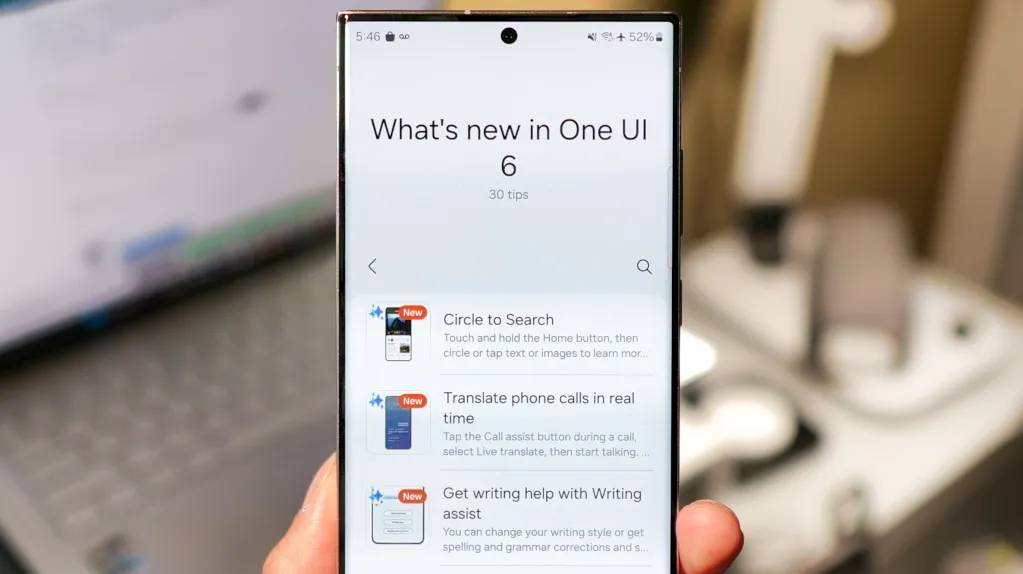
Lofty promises like these are a dime a dozen whenever AI enters the conversation. And to be quite honest, this hyperbole can prove to be exhausting when the positive changes made to AI are more incremental upgrades in some cases, instead of being the life-changing improvements they’re hyped up to be.
AI is certainly getting better, but the sky-high expectations tied to its evolution have resulted in its doubters not taking the bait every time a major promise about the technology hits their timeline.
Data privacy is a growing concern

Whenever you hear that Google Gemini is observing and handling the data contained in your Gmail and Docs, it makes sense for you to be suspicious of an AI tool having access to your personal information.
Privacy concerns over AI having access to your information are growing—the complex actions that AI chatbots execute in connection with your prompts, emails, documents, and search queries have led to users asking AI companies about where and how their information is stored and used.
It’s no shock that AI users are growing more worried about the privacy of their data when using AI.
AI is becoming less of an optional endeavor and more of a default one

Even if you don’t consider yourself an active user of AI, its presence is embedded in nearly everything you do on the web.
AI isn’t just confined to a chatbot tab anymore—Gemini gives search result summaries when you look stuff up on Google, Claude is integrated into productivity apps such as Slack, and other AI-powered features are popping up across smartphone user interfaces.
AI’s growing switch from an optional tool to more of a default one in some cases has resulted in people becoming more resistant to its growing existence across various platforms.
Bottom line
Although AI developments are intriguing, we can't ignore the concerns. The issues people have about the hard-to-ignore technology and the negative ways it has impacted modern-day society are valid.
Public opinion may never swing fully for or against AI, but addressing these concerns is essential to building broader trust.

Follow Tom's Guide on Google News and add us as a preferred source to get our up-to-date news, analysis, and reviews in your feeds.
More from Tom’s Guide
- QuitGPT is going viral — here’s why people are cancelling ChatGPT
- I asked ChatGPT to reveal my 'Shadow Persona' — the result was uncomfortably accurate
- Real vs AI: Can you spot the fakes in these Valentine’s Day videos?