Knee pain is no joke. At 35, so far, I've just about managed to avoid it, but my stepmom, who was a professional runner when she was younger, has been plagued with it. Not only does it limit the range of motion, strength and stability you have available, but it can also limit the types of sports, exercises and activities you can enjoy.
For that reason, I turned to physiotherapist and co-founder of One Body LDN, Rebecca Bossick, who kindly shared three knee-strengthening exercises she swears by. Check them out below, as well as some benefits and how to do each one step-by-step.
3 knee exercises from a physiotherapist
Here they are.
1. Sit-to-stands

"The sit-to-stand trains the primary muscle groups that take the load of your knee joint during everyday movements, including the quadriceps, gluteus maximus, hamstrings, core (abdominals and lower back) and calves," says Bossick.
"If you're managing existing knee pain, don't go past 90 degrees of bend, but if you're pain-free and building strength, work towards a deeper squat over time."
- Sit on a chair with your feet flat on the ground and slightly in front of your knees.
- Lean your chest forward and push through your heels to lift yourself up, trying not to use your hands for momentum.
- When you’re in the standing position, lean back and control the movement down, not just dropping into the seat.
- Progress into a bodyweight squat without the chair when you feel comfortable, keeping your knees tracking over your toes rather than caving inward.
- Aim for 3 sets of 10 to 12 repetitions, three or four times a week.
2. Step-ups

"Step-up exercises train your knee to work in isolation, one leg at a time, so it helps you gain unilateral strength, which is one of the biggest factors in fall prevention," explains Bossick. "This is particularly important as we age because it improves the balance and proprioception around the joint, not just raw strength, which we lose later in life.
"You can add more difficulty by adding height or holding weights as you complete your sets."
- Find a step or get a solid box that’s below knee height (or lower if you’re building up). Place it in front of you.
- Take a step onto it. Push through that heel to lift your body up, then slowly descend back down rather than letting gravity take over.
- Keep your posture upright all throughout.
- Aim for 3 sets of 8 per leg.
3. Straight leg raises with a hold

"If you’re concerned about putting too much work on your knees directly, whether because of a previous injury or early-stage arthritis, straight leg raises are a good option," advises Bossick.
"They work on the quadriceps, particularly the muscle at the inner side of the knee just above the joint, without putting the knee itself through any range of motion at all.
If you feel the front of your hip working harder than your thigh, slow the movement down and focus on quality over speed."
- Lie on your back with one leg bent and the other straight.
- Focus your attention to the thigh of your straight leg and tighten it.
- Slowly raise it to the same height as the bent knee. Hold that position for a few seconds and keep the thigh engaged.
- Lower it slowly and with control.
- Aim for 3 sets of 12 to 15 per leg.
What are the benefits?
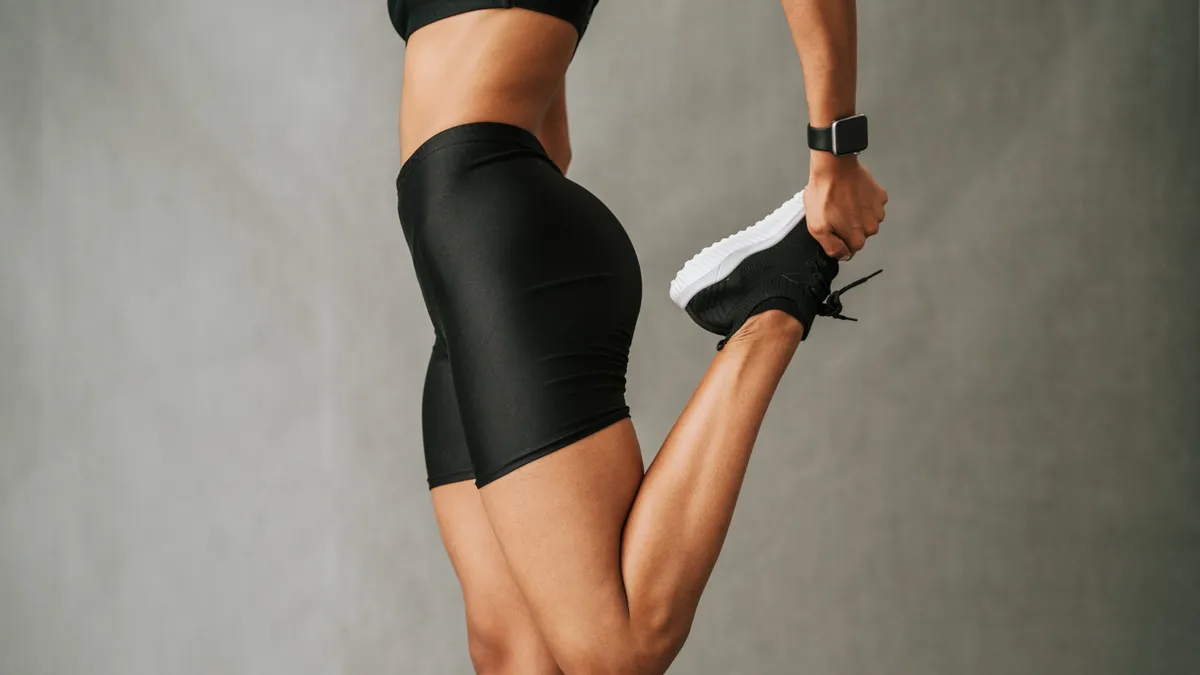
Your knees absorb stress every day, and for some, that increases if jobs or lifestyles are active. In fact, the research shows your knee joints absorb forces equivalent to 1½ times your body weight.
Knee problems are a common musculoskeletal complaint, but strategically strengthening the muscles surrounding your knees can help support the joints and reduce pain or the likelihood of developing injuries or imbalances.
Train your knee to work in isolation, one leg at a time, so it helps you gain unilateral strength, which is one of the biggest factors in fall prevention.
While these exercises are recommended by a qualified physiotherapist, you should always listen to your body and stop if you feel sharp pain, numbness, or tingling. Working with a physical therapist, physician, or similar professional will help you determine the issue for specialized recommendations based on your personal journey.
That said, the three knee-strengthening exercises above will help to build strength in the muscles surrounding the knee joints and improve stability, balance and weight-bearing. See how you get on, and let us know in the comments.
Follow Tom's Guide fitness on Instagram for more workouts, routines, tips, and tricks.

Follow Tom's Guide on Google News and add us as a preferred source to get our up-to-date news, analysis, and reviews in your feeds. Alternatively, you can read our content on the Tom's Guide app available now for iOS and Android. Subscribe to Tom's Guide on YouTube and follow us on TikTok.
More from Tom's Guide
- I teach people how to be more mobile: 3 low-impact back and shoulder moves that build stability and strength after 40
- I teach people how to be strong and mobile: this is the one exercise I regret ignoring for years
- I teach people over 50 to be mobile: 3 low-impact moves that build more stability than a 30-minute walk