LG — maker of some of the best OLED TVs on the market — has officially launched its newest OLED lineup for 2026. The LG C6 is the brand's mid-range model, and it comes with pedigree. The C Series has been a perennial best TV-contender for several years, and it's easy to see why. Like the C Series OLEDs that came before it, the C6 blends incredible performance with a relatively reasonable price tag — a blend that results in mass appeal.
The LG B6 is the brand's entry-level OLED. Like previous iterations of the B Series, the LG B6 offers a more modest performance profile in exchange for a much lower price than its C-Series sibling. I've spent a ton of time with both of these OLEDs, and as we do with all TVs we review, we've tested both extensively. Here's how their performance, features and price compare.

As the brand's newest mid-range OLED TV, the LG C6 delivers an excellent blend of performance and value as a marginal upgrade over its predecessor. It's significantly brighter than the LG B6, but that's one of only a few differences between the two.

LG's latest entry-level OLED is a fantastic value proposition for people who don't mind saving some cash on more modest demonstration of OLED technology. That said, at the time of publishing, the B6 is available in fewer size options than the C6.
LG C6 vs LG B6: Specs compared
| Header Cell - Column 0 | LG C6 |
LG B6 |
|---|---|---|
Sizes |
42", 48", 55", 65" |
48", 65", 77", 83" |
Ports |
4x HDMI 2.1 |
4x HDMI 2.1 |
Resolution |
3,840 x 2,160p |
3,840 x 2,160p |
Refresh rate |
165Hz |
120Hz |
HDR |
Dolby Vision, HDR10, HLG |
Dolby Vision, HDR10, HLG |
Smart TV software |
webOS 26 |
webOS 26 |
ATSC 3.0 support? |
No |
No |
Processor |
a11 AI Processor 4K Gen3 |
a8 AI Processor 4K Gen3 |
First, let's talk about size availability. The C6 is available in 42-, 48-, 55- and 65-inch options. There are also 77- and 83-inch versions, but these sizes are technically classified as an altogether different model: the LG C6H.
We haven't tested the C6H yet, but LG promises better performance on these sets than what you'll see on the smaller-sized C6 screens, since they arrive with LG Display's RGB Tandem OLED panel, which typically delivers better brightness and color volume than traditional WOLED panels.
For the B6, available size options are a complicated matter, too. It's readily available at retailers in just three sizes: 65, 77 and 83 inches. LG lists a 48-inch version of the B6 on its website, but you might have a difficult time tracking it down. I expect a 55-inch version of the B6 to be made available soon, but at the time of publishing, it's missing in action.
So, if you want a 77- or 83-inch C6, you'll technically have to buy the C6H. Alternatively, if you're considering a 48- or 55-inch B6, you'll have to wait for those sets to be made available.
I expect a 55-inch version of the B6 to be made available soon.
In almost every other way that will matter to most people, the C6 and B6's spec sheets are the same. Both TVs offer the same selection of enhanced HDR formats (including Dolby Vision). Both arrive with the same version of LG's webOS streaming platform and support HDMI 2.1 across all four primary inputs.
Neither offers ATSC 3.0 support (which allows over-the-air broadcasts to be piped-in at native-4K resolution), and while it's not an easy feature to come by in 2026, its absence is nevertheless a bummer.
Each of these OLEDs can take advantage of the highest 4K spec available on current-gen consoles (4K/120Hz), but only the C6 is capable of pushing that to 4K/165Hz when VRR is enabled and a gaming rig is linked up. It's a close finish, but the C6 features a better spec sheet.
Winner: LG C6
LG C6 vs LG B6: Design
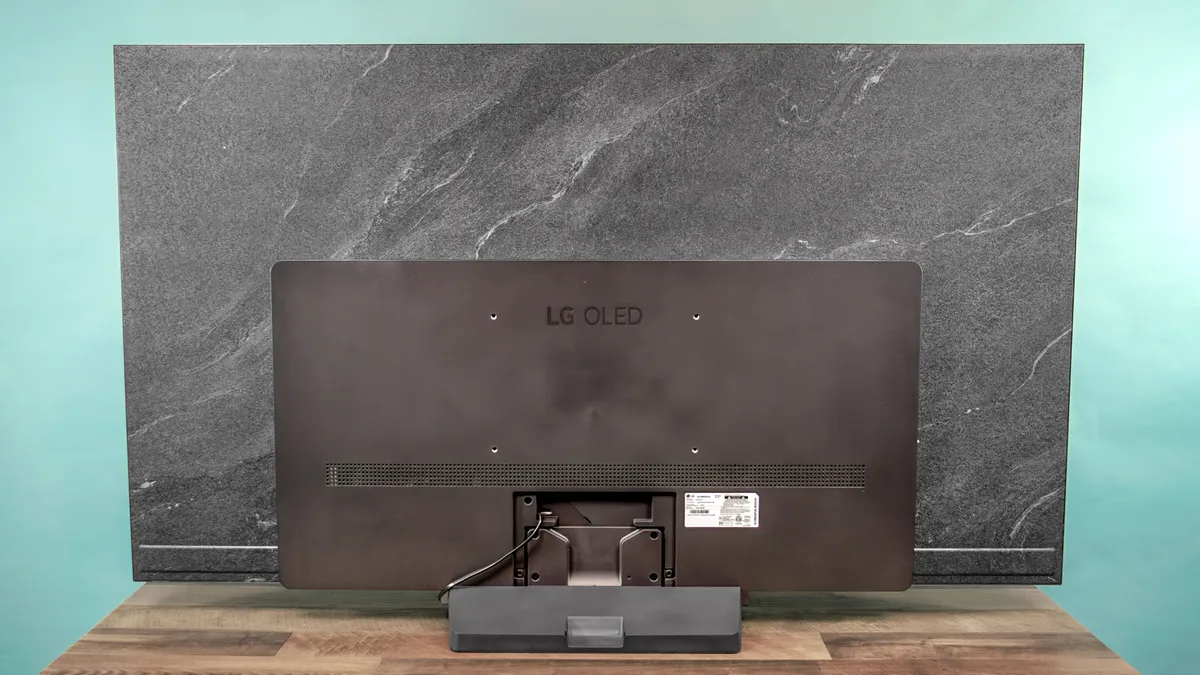
The C6 (seen above) follows the design approach of its predecessor (the LG C5), but that's good news for folks who dig sleek, sophisticated TV design. Its downward-slanting slab of a stand keeps the TV's screen relatively close to the surface beneath it. And, while it's rare to peek at the back of a TV, I appreciate the marble-like finish on the back of the C6's panel.
If you're planning to wall-mount the C6, take note: The TV's hardware is housed in a chassis that sticks out of the C6's midsection. This means that the TV's wafer-thin screen won't be flush against the wall.

The B6 (seen above) will also protrude from the wall a bit, should you decide to mount it. But, according to my measurements, the B6 is almost exactly as narrow as the C6 at the 65-inch size point, so you're dealing with a similarly sized chassis.
The B6 is also rocking a slate-like visual texture along the back of its panel, but you'll find that the look and feel of the C6's materials are marginally more premium-seeming than that of the B6.
Unlike the C6, the B6's stand consists of a pair of slim, angular feet that sit close to the corners of the screen. They're sturdy enough so as not to introduce much wobble, but the wide-set placement of the feet might be tough to accommodate if you've got a narrow credenza or media console — especially at larger size points.
Both TVs arrive with a similar version of of LG's remote control. It features the same motion-activated, Wii-like controls you'll find on older versions of the Magic Remote, but the updated design is slimmer and offers fewer buttons.
Despite its entry-level status, the B6 is a sleek customer. The C6's design is just a touch more put together.
Winner: LG C6
LG C6 vs LG B6: Performance

Before we dive into which of these TVs is the better performer, let's compare their test results. (Both TVs were in their respective Filmmaker picture mode when these tests were taken.)
| Header Cell - Column 0 | LG C6 |
LG B6 |
|---|---|---|
SDR Brightness (10%, in nits) |
355 |
247 |
Delta-E (lower is better) |
1.5 |
1.0 |
HDR Brightness (10%, in nits) |
1,355 |
780 |
UHDA-P3 Gamut Coverage |
99.77% |
96.11% |
Rec. 2020 Gamut Coverage |
75.92% |
70.69% |
Input latency (milliseconds) |
9.1 |
8.9 |
Naturally, these TVs both deliver the key features that OLED TVs are known for: perfect black levels with pixel-level contrast control.
With OLED technology at work, both the C6 and B6 offer an deep, detail-rich image that looks fantastic across all content types and downright cinematic during 4K/HDR content. The key difference between their picture comes down to brightness and color.
Check out my guide to the difference between OLED evo and non-evo OLED TVs.
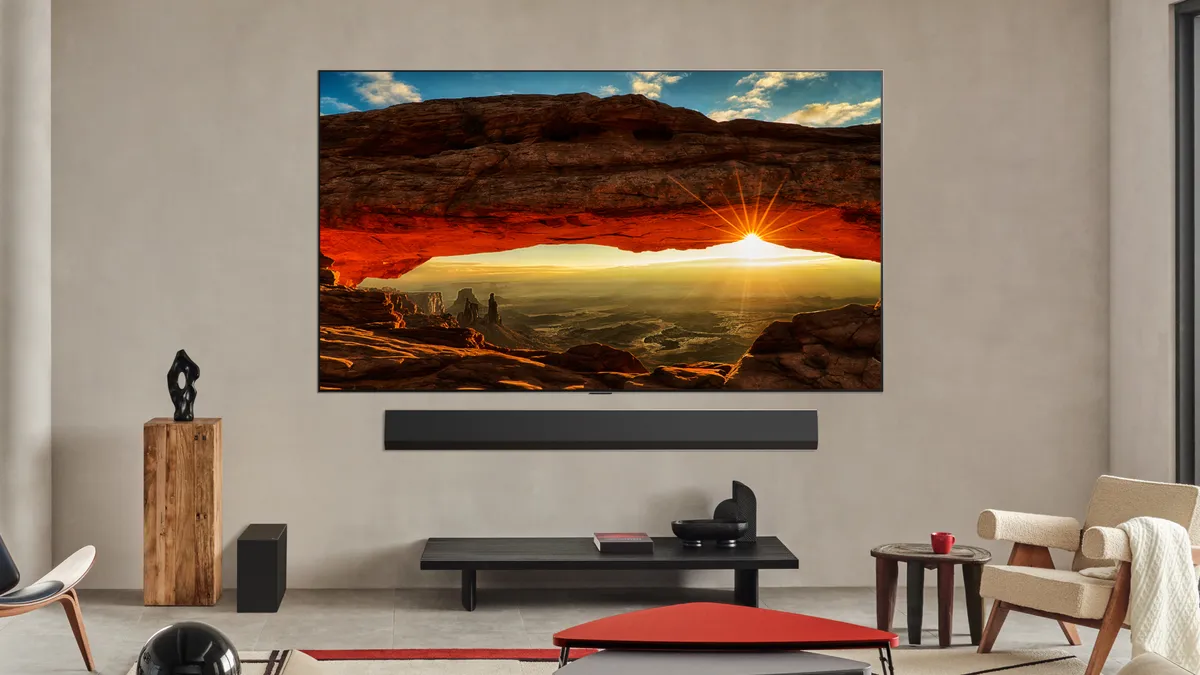
The mid-range C6 taps LG's OLED evo technology, a mix of hardware- and software-related enhancements that allows for a brighter image (particularly in highlight detail), as well as richer color (especially during HDR-mastered movies and shows).
You'll notice the C6's added brightness most when viewing the glint of a sword, dapples of sunlight across the ocean's surface or whenever tiny pools of bright light take over a cluster of pixels. The pixel-level contrast control allows for realistic highlights on both OLEDs, but on the C6, these details are much more impactful in HDR.
The C6 is also a touch brighter than the B6 across the entire picture, but the difference in full-field brightness isn't as significant as the gap between these TVs' peak HDR highlight brightness.
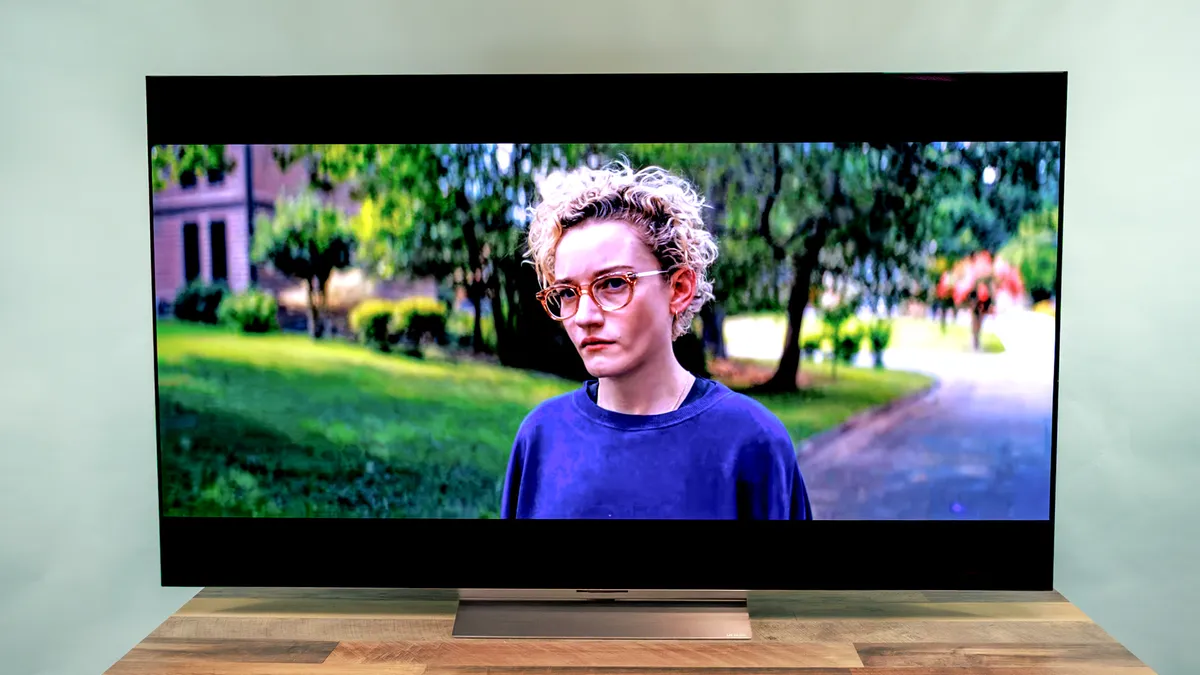
Colors are well-saturated and accurately dialed-in on both of these TVs' most-accurate picture mode. However, the C6's added brightness allows it to saturate more color, and this is especially impactful during HDR-mastered content.
What we're left with is a pair of high-performance TVs, with the pricier of the two being the better option for people chasing as much brightness as possible before stepping up into the flagship-level class.
The B6 produces a phenomenal picture, but there's no denying that the C6's picture is often more cinematic, and better overall for bright-room viewing. It's up to you to determine whether that jump in quality warrants the added price.
Winner: LG C6
LG C6 vs B6: Smart platform and features
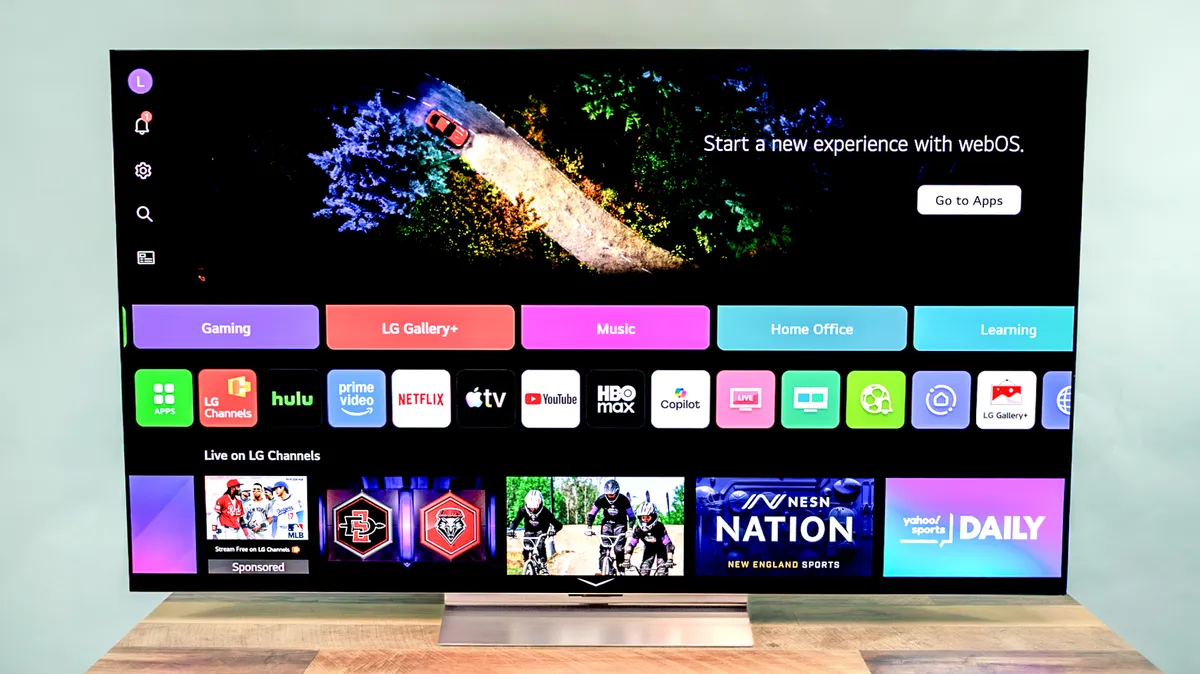
Both the C6 and the B6 come with the newest version of LG's webOS ready to go right out of the box. It's a similar experience to last-year's version of webOS, but LG has built in some new, AI-based features. My colleague Dylan Haas, who reviewed the C6, referred to these AI features as "meaningless" if you don't already incorporate AI into your daily life, and I'm inclined to agree.
As far as built-in smart platform software goes, webOS isn't one of my top picks. I find its layout to be visually confusing and navigation to be somewhat sluggish. However, it's easy enough to pick up and use that most folks will see no problem using it as their daily driver.
As far as gaming features go, the C6 and B6 are quite similar. Each offers HDMI 2.1-compatibility across all four inputs (which means you don't have to spend time thinking about which port any given device should use), but as mentioned, only the C6 supports 4K games above 120Hz.
Technically speaking, the C6 offers more in the way of features. But, for the vast majority of people, these sets are basically the same when it comes to the software experience and added features.
Winner: Draw
LG C6 vs B6: Verdict

| Header Cell - Column 0 | LG C6 |
LG B6 |
|---|---|---|
Specs (25) |
24 |
21 |
Design (25) |
23 |
22 |
Performance (25) |
23 |
21 |
Features (25) |
23 |
22 |
Total Score (100) |
94 |
86 |
Relative to one another, the C6 and B6 score similarly in the design and features category, with their overall user experience being remarkably similar. When we take a closer look at specs and picture quality, we start to get a better sense of how these sets diverge.
The C6 is a brighter, more-colorful TV that will showcase HDR content better than the B6. It'll also hold up slightly better during daytime viewing. This is especially true for the souped-up, 77- and 83-inch versions of the C6H.
At the time of publishing, the C6 is quite pricey. The 65-inch LG C6 is $2,699 at Best Buy, and while that number will almost certainly tumble as the year goes on, it's still relatively high for a mid-range TV.
Saving money on the B6 might be a good move if all you're looking for is a brand-new OLED TV. The 65-inch LG B6 is $1,899 at Best Buy right now, which is substantially cheaper than the C6. That said, if you're after a 55-inch screen, you'll have to wait. More sizes options for the B6 are presumably still on the way, but for now the selection is rather limited.
More from Tom's Guide