
The iPhone Duo has now been released, and it looks like early adopters are having to deal with some teething problems. As lucky as they might have felt to snag the sought-after foldable on release day, a bunch of people have reported their screens are cracking — a problem now dubbed "crackgate."
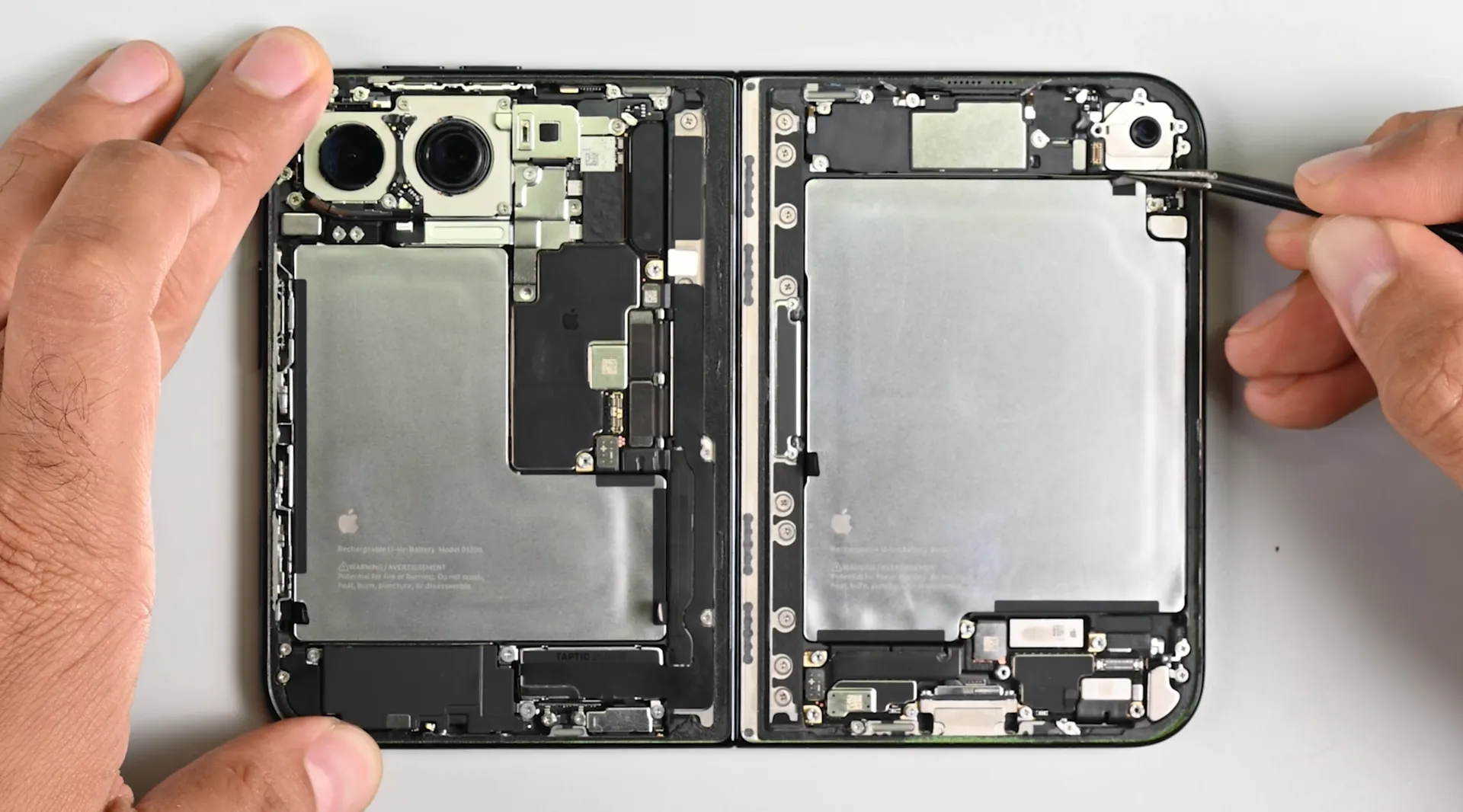
As it always does with new phones, iFixit got hold of the iPhone Duo and took it apart to see how everything works — and whether it's actually repairable or not. That teardown seems to have been very enlightening, revealing some secrets of the hidden hinge, factors that may be behind crackgate, and just how well that phone stands up to dust.
It's also the most repairable foldable phone to date, though other foldable phone makers haven't left the bar particularly high.
Secrets of the hidden crease
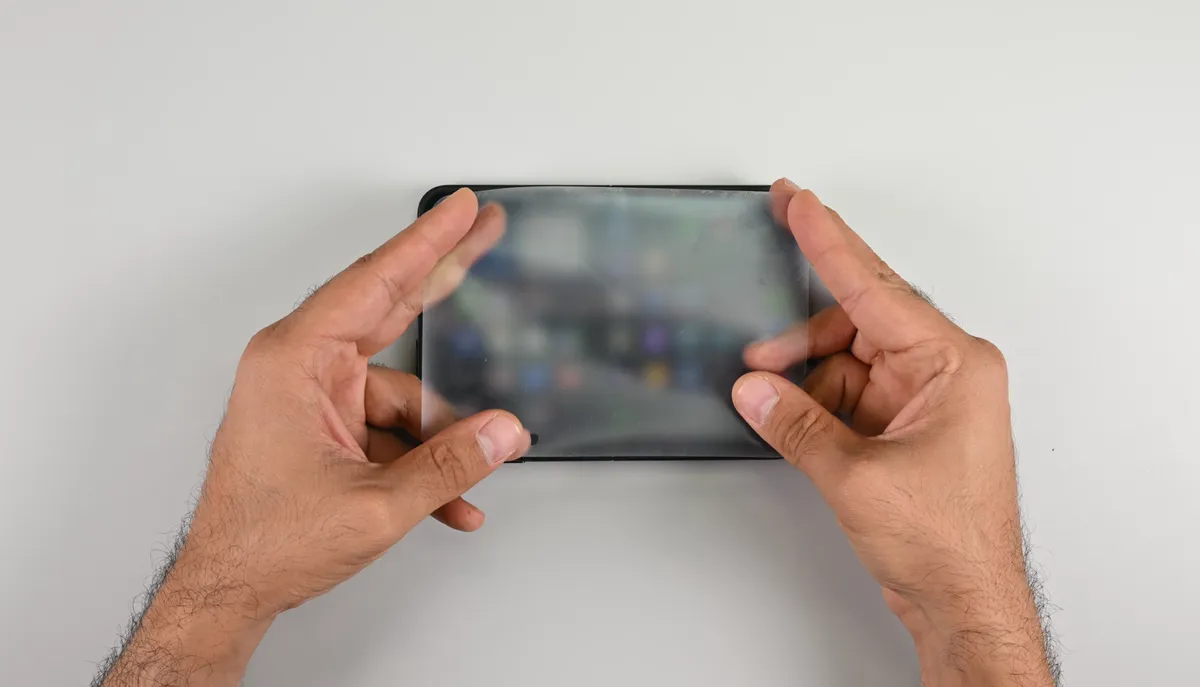
The Duo's nano-texture coating is easily removed, and while replaceable, it is a multi-part process. In the meantime, the Duo's display is far more vulnerable to scratches and other damage. Removing it also removes the light-scattering effect, which makes working in bright light much more difficult and means any imperfections in the screen are easier to see — including the crease.
Under the microscope, iFixit can see the textured layer that diffuses incoming light, and looking further shows the pixel layout in the screen itself. Curiously, Apple has adopted a unique (and patented) pixel layout with a mix of round and ovular pixels. Apple says that this is meant to add variation to the pattern, but doesn't say what the benefit is.

iFixit speculates this could be another factor that helps to hide the crease by managing reflections deeper in the display and ensuring that light is less likely to make a distracting pattern. Replacing the nano-texture layer doesn't require a full screen replacement, and will set you back $49 without AppleCare+ — or $19 with it.
Some of the magic happens in the hinge, with Apple opting for the same "waterdrop" hinge design utilized by several smartphones over the past several years. This utilizes a controlled bend of the screen inside the hinge, essentially meaning the screen is half open. This reduces pressure on the fold and minimizes the amount of creasing that occurs in the process.
Apple's version uses a series of mechanical joints that actively prevent the hinge from closing too far — ensuring the screen doesn't fold more than it should.
A dusty Duo?
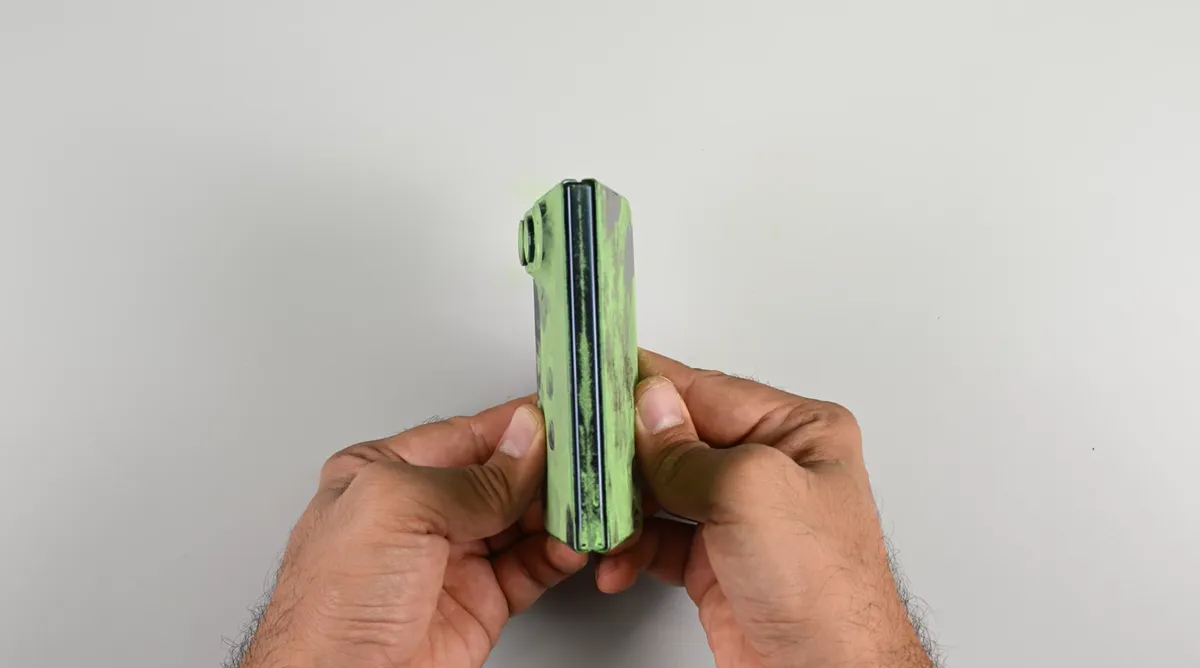
Using fluorescent dust, iFixit put the iPhone Duo's dust resistance rating to the test. At first, the sheer amount of dust around the outside of the phone shows that there is a pretty good seal on the phone — though the audible crunching around the hinge is a horrible thing to hear. But the phone is still foldable, which is in direct contrast to the Galaxy Z Fold 8's hinge, which was rendered basically unusable.
The dust all seems to have been stopped by the phone's adhesive layer, which means the internals are protected against stray particles getting inside. The same is true of the bezel, but from the looks of things, none of it managed to reach the fragile foldable screen and other electronics.
But the hinge is another matter, and the dust did make its way inside the mechanism — leading to that awful crunching sound. It's less dust than the Z Fold 8 and Pixel 11 Pro Fold, but it proves that despite the IP68 rating, the iPhone Duo's hinge is not actually sealed against foreign particles. So bear that in mind.
iFixit notes that because of this, all foldable phones need to focus on both increased hinge protection and a more practical way to fix any damage.
One possible explanation for Crackgate

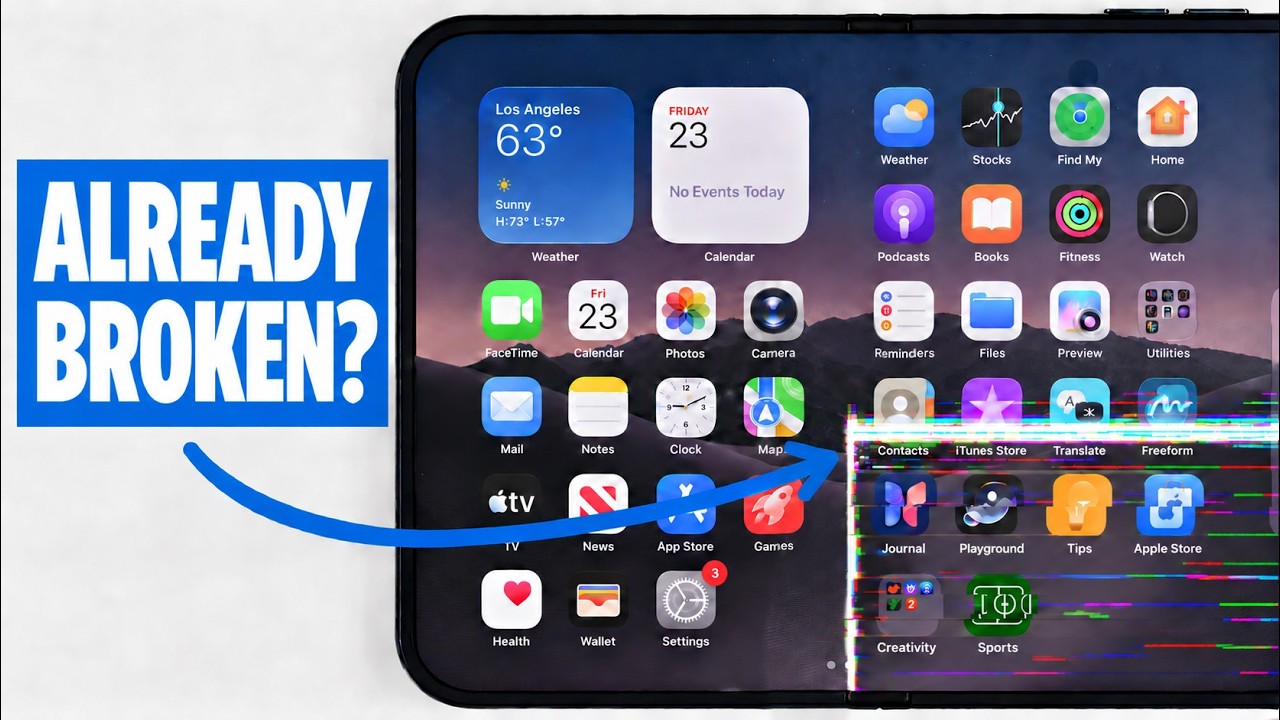
If you've been paying attention to social media this weekend, you may have noticed that some iPhone Duo users have started reporting damage to their screens. Dubbed "crackgate," it looks as though the damage is happening in the same place for everyone, with a white line down the center of the screen and across the right side.
Users often describe folding or unfolding the Duo, followed by an audible crunch. Teardowns reveal that the hinge is shaped a little differently in this spot, but it's also an area where a lot of different parts come together. Those include a protruding leaf, the accordion-shaped electrical cable that connects the two sides of the phone, and the edge of the battery on the right side of the phone is close by.
One possible answer given by iFixit is that the center support bar doesn't fall far enough when the screen is folding, which causes the display to make contact. This concentrated stress could be what's causing the screen to break.
How repairable is it?
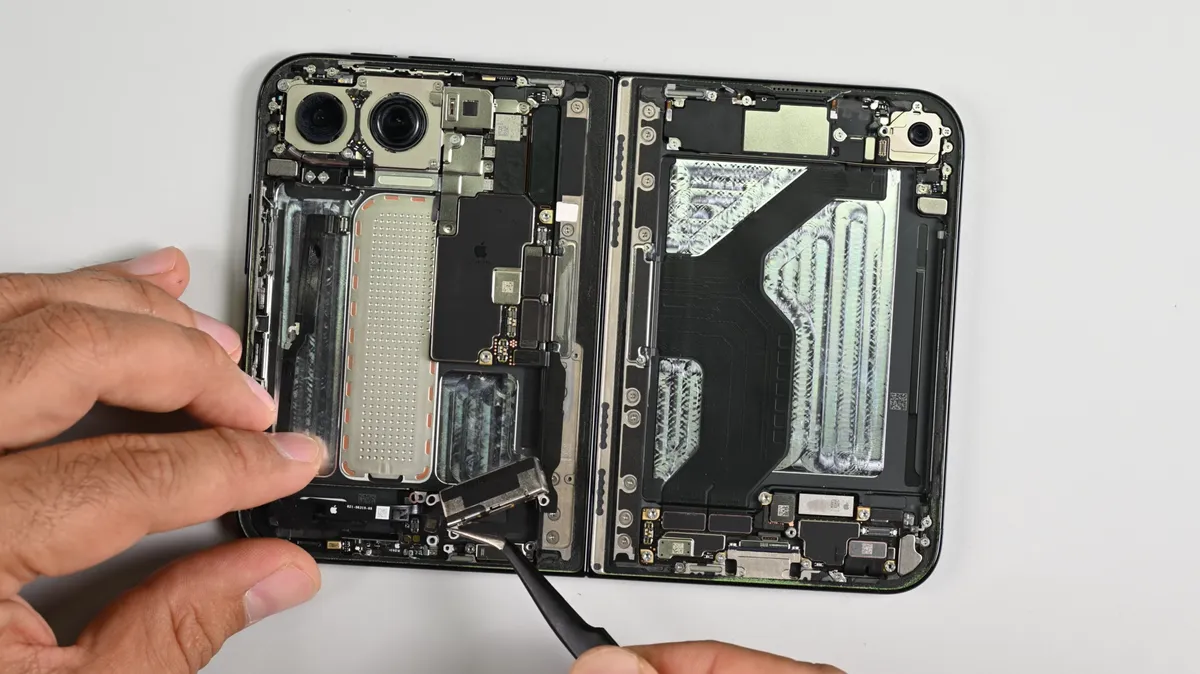
The first thing noticed during the actual teardown was that the iPhone Duo's cover screen comes off a lot more easily than most foldable phones, which is a slight win for Apple. Though iFixit immediately came across two hidden screws, which is really counterproductive. The team also noted that the outer screen is pretty robust, and the plastic bezel that caused a bunch of issues with the iPhone 18 Pro teardown stayed intact. Which is helpful considering pretty much every repair is going into the phone down this route.
The batteries are held in place by Apple's ionic adhesive, which detaches when a current passes through it. The difference here is that there are two separate batteries, which requires this step to be done twice. The batteries also live in different areas, with one behind the cover display and another behind the back glass — which adds a little complexity to the process. However, iFixit comments that it is the best battery removal they've experienced on a foldable.
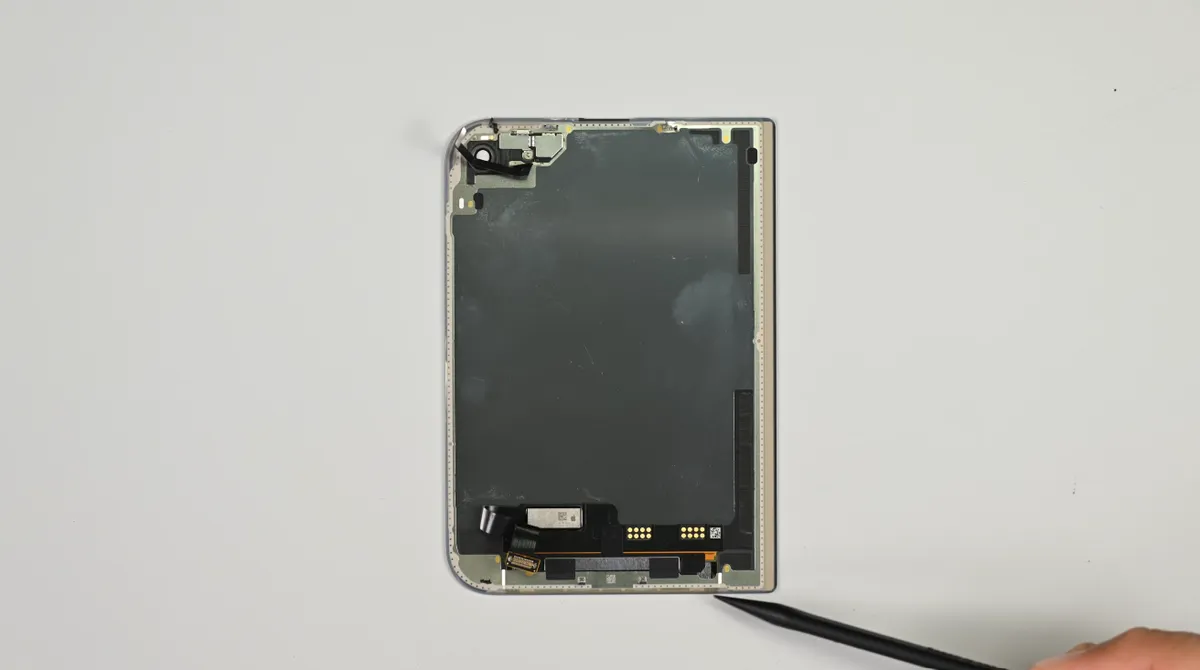
Other notable repairability wins include a USB-C port that's much easier to access and remove, and a relatively flat design that makes a lot of the key components easily accessible during the assembly process.
Removing the foldable display is also much less painful than anticipated. The trim around the screen peels off nicely and easily, in contrast to the Z Fold 8, which had a trim that was ruined during disassembly. Sadly, removing the screen itself is more of a struggle — requiring a mix of heat and force to peel away. No wonder an AppleCare-free replacement costs $999.
Overall, this is not iFixit's first choice for those looking to have an easily replaceable smartphone. However, it is the most repairable foldable the team has tested, and that's all the more impressive considering this is a first-generation product. But that distinction is a relative one, with the iPhone Duo still getting a provisional repairability score of five out of ten.

Follow Tom's Guide on Google News and add us as a preferred source to get our up-to-date news, analysis, and reviews in your feeds.
More from Tom's Guide