If your energy bills seem too high and your house feels drafty, your garage might be the culprit. Garages are often overlooked when it comes to insulation and weatherproofing, but they're one of the largest sources of energy loss in your home.
That massive garage door, gaps around windows, cracks in walls, and unsealed access doors all let cold air flow freely into your house, forcing your heating system to work harder. For attached garages, especially, this means cold air is sneaking into your living areas and driving up heating costs.
The problem is fixable without major renovations or professional help. Most garage draft-proofing projects use inexpensive materials. Here's how to seal your garage and stop it from bleeding energy and money.
1. Insulate and seal your garage door

Your garage door is the single biggest source of drafts because it's massive, constantly exposed to outside weather, and often poorly sealed. Start by inspecting the weatherstripping around all edges of the door. This rubber or vinyl seal compresses when the door closes to block air from passing through. If it's cracked, brittle, or has gaps, replace it completely.
You can buy replacement weatherstripping at any hardware store — just peel off the old material and stick or slide the new strips into place. Pay special attention to the bottom seal, which often wears out first from contact with the ground.
Next, add insulation to the door panels themselves using a garage door insulation kit. These kits include foam or reflective foil panels that fit into the door sections and provide thermal resistance.
2. Seal all gaps and cracks
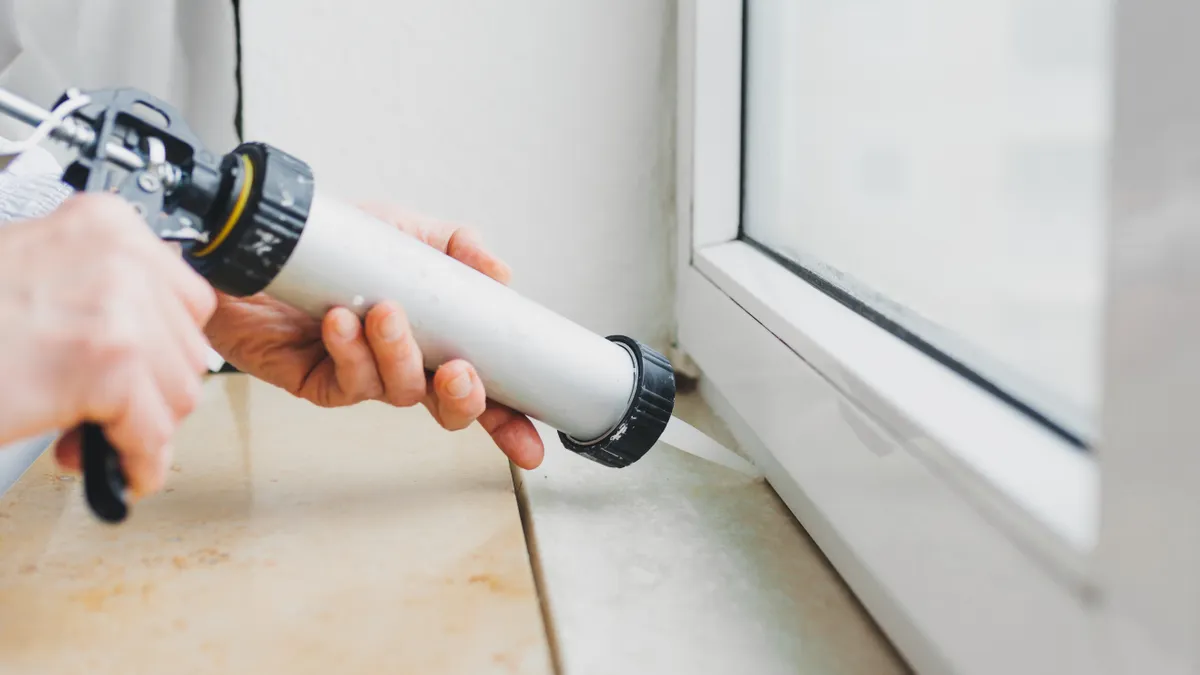
Small gaps and cracks throughout your garage walls, floor, and where the garage connects to your house allow cold air to infiltrate constantly. Walk around your garage and look for visible cracks in the walls, gaps around windows, spaces around electrical outlets, and anywhere the garage structure meets your home.
Use spray foam insulation to fill larger gaps and cracks — the foam expands to fill irregular spaces and creates an airtight seal. For smaller cracks and seams, use silicone caulk, which provides a waterproof seal that lasts for years. Pay particular attention to the threshold where your garage connects to your house, as this is a major pathway for cold air to enter your living space.
If you find cracks in plastered walls, clean them out first before applying filler or caulk. Don't skip the ceiling-to-wall junction and the area around the garage door opener; these spots often have gaps that people overlook but that significantly impact draft prevention.
3. Weatherproof windows and access doors

Garage windows and the pedestrian door leading into your house are smaller than the main garage door but can still leak substantial amounts of cold air. For windows, apply silicone caulk around the entire frame where it meets the wall, sealing any gaps.
Consider adding insulation film to the glass itself — this clear plastic film creates an insulating air pocket between the film and the window, reducing heat loss by up to 20%. The film is easy to apply and remove without damaging windows.
For the access door, install or replace the door sweep at the bottom to seal the gap between the door and floor. Check the weatherstripping around the door frame and replace it if it's compressed, cracked, or missing. A draft stopper placed at the base of the door adds extra protection — these fabric tubes filled with insulation material block air from flowing under the door.
Make sure the door itself closes tightly without gaps. If it doesn't, you may need to lubricate and adjust the hinges or strike plate so it seals properly when shut.

Follow Tom's Guide on Google News and add us as a preferred source to get our up-to-date news, analysis, and reviews in your feeds.
More from Tom's Guide
- Keep your home warm during a power outage — 5 heating methods
- How to winterize your sprinkler system before it freezes
- The surprising effects of using too much de-icing salt on your driveway