There’s nothing more frustrating for a gardener than watching a vibrant and thriving plant change appearance. What was once a spectacle to be admired can quickly change to a specimen that looks lackluster and distressed.
If you’ve ever grown roses in your yard, you may have experienced the same effect. Those once-beautiful showstoppers, with a fragrant scent and glossy leaves, can quickly succumb to all sorts of issues, leaving you with a rose shrub with yellowing leaves.
While the problem is not insurmountable, the challenge lies in pinpointing what has caused your rose leaves to turn yellow, and then knowing how to put it right. Here I break down the likely culprits and share how to fix those yellow leaves
1. The watering is off balance

If you’ve noticed the leaves on your rose bush have turned yellow, it could be a sign that the plant is under- or overwatered. You can check if the plant is too dry by placing a finger into the soil. If the top couple of inches feel dry, it needs a drink.
However, it could also mean the plant is too wet. If this is the case, you might also notice the soil is soggy, the leaves are wilting, and there is a musty odor.
The trick is getting the balance right. Roses are best planted in well-draining soil; however, if the soil is sandy, it will drain much more quickly, and your plant will need more frequent watering.
Roses will appreciate a good, long drink at their roots rather than short, frequent waterings on their leaves.
2. The rose lacks nutrients
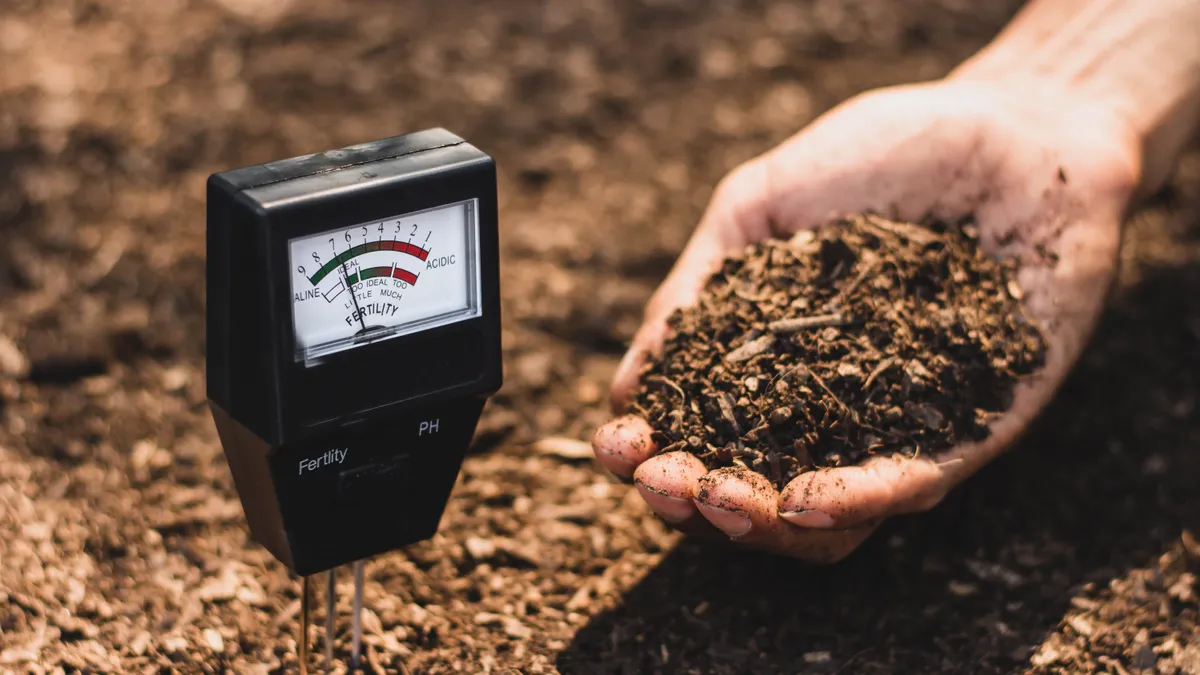
In some instances, your rose may be lacking nutrients. If this is the case, you’ll notice the leaf veins turn green, and the rest of the leaf turns yellow.
It’s wise to do a soil pH test before adding any amendments, as roses require slightly acidic soil, around 6.0-6.5. If your soil falls outside this range, your roses won’t be able to absorb the phosphorus, iron and potassium they need.
You can amend the soil with iron chelates or a nitrogen-rich fertilizer.
3. It’s crying out for sunlight
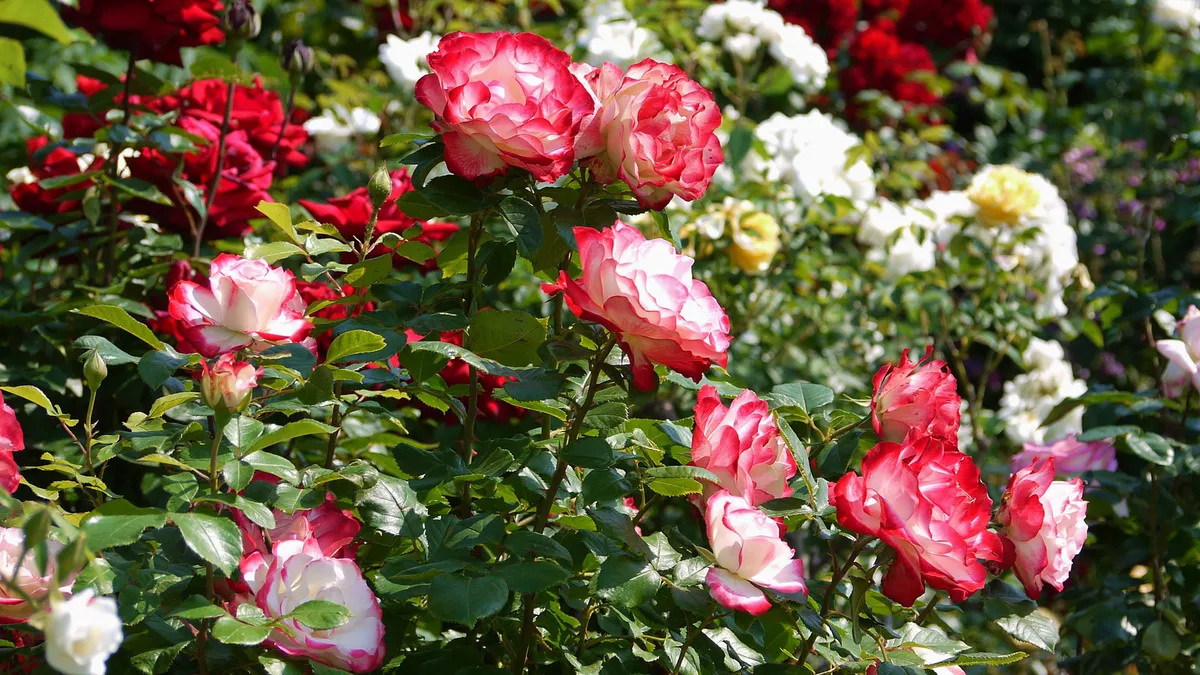
Roses love 6 to 8 hours of sunlight a day, so if they aren’t getting their full quota, their leaves may turn yellow. If you are buying new roses, check the planting guidelines to ensure you’re placing them in the best position.
However, although roses aren’t known to love the shade, some will do fine without full sun, just choose carefully before you buy.
4. Pests are sucking the sap

There is an array of pests that can suck the sap from roses, removing nutrients and turning the leaves yellow. Spider mites, aphids and thrips are all culprits. So, if you notice yellowing leaves on your roses, check the underside of the plant’s leaves for pests/
Aphids and spider mites can be dislodged with a hose spray, while thrips can be removed by hand. You can also spray neem oil on the plants, but wait for a cool day without much sun.
5. Black spot can take a hold on your plants

Roses are susceptible to black spot, a common fungal infection that causes the upper leaf surface to turn yellow and develop black or purple spots. Badly affected plants can shed almost all of their leaves, and the plant’s vigor is greatly affected.
The disease can only be controlled, not cured. Remove any infected leaves on or surrounding the plant. Clean and sanitize your pruning shears between each cut to prevent reinfection, and water at ground level at the beginning of the day to ensure everything is dry before night time. You can also use a fungicide spray on your roses.
Gardening essentials we love

Follow Tom's Guide on Google News and add us as a preferred source to get our up-to-date news, analysis, and reviews in your feeds.
More from Tom's Guide