Xfinity’s Wi-Fi routers have reportedly gotten a new feature: motion tracking.
As reported by Cybernews, the company has been notifying customers about the upgrade, called Wi-Fi Motion, all year. The feature allows users to use a compatible leased gateway and other connected devices to monitor movement within their homes—just like one of the best home security cameras can— at no extra cost.
Wi-Fi devices can even detect small movements too, such as a hand wave. Xfinitiy users who set up the Wi-Fi motion feature using other devices within their home will receive alerts if the devices sense movement between them. The Xfinity feature cannot tell the exact location of the movement it detects but will send alerts to users via push notifications that can tell them which device sensed activity.
The system can detect small pets, but is not fine tuned enough to distinguish between large pets and small children. While it can work with internet connected devices such as a printer, a smart appliance or a gaming console like an Xbox, it will not work with mobile devices like smartphones or tablets.
Users can connect up to three Wi-Fi devices – which need to have a strong connection – and are able to adjust the feature's sensitivity. A higher sensitivity is recommended for most captures, and for anyone who isn’t sharing any walls with their neighbors. Additionally, users can enable or disable notifications and schedule when they will be delivered.
The overall idea is to provide enhanced home security, though Xfinity has been quick to note that this feature should not be considered a security system and is in no way professionally monitored.
A potential privacy nightmare

This new feature has also resulted in conversations about privacy and security. This is due to the fact that Xfinity's privacy policy specifically states that users who enable this feature are giving the company permission to collect motion activity data and other information.
The Xifinity support page says that Comcast may “disclose information generated by your WiFi Motion to third parties without further notice to you in connection with any law enforcement investigation or proceeding, any dispute to which Comcast is a party, or pursuant to a court order or subpoena.”
Some users are concerned that this feature is essentially turning their routers into low-resolution cameras with “the ability to see through walls” while others are discussing the privacy implications of letting an ISP monitor data about their household activity and share that information with third parties. Likewise, some users are concerned that this data could be passed along to law enforcement or courts, who would be able to pinpoint exactly when users were at home.
Some critics of the feature have suggested using one of the best VPN services increased protection while pointing out that few users know how to practice proper router safety. Indeed, the amount of times that unsecured routers have led to the spread of botnets and malware make this feature a concerning development.
What to do if you're worried about Wi-Fi Motion?

If you're an Xfinity user, you have two options: don't enable this feature or consider picking up your own Wi-Fi router instead.
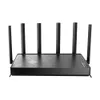
We strongly recommend using one of the best Wi-Fi routers or one of the best mesh Wi-Fi systems for several reasons. Not only are you saving money on monthly equipment rental fees but you also have more control over your home network.
Plus, by purchasing your own networking equipment, you'll get access to the latest wireless tech sooner. For instance, if you're using a router from your ISP, you might be stuck with Wi-Fi 6 while buying your own means you can upgrade to Wi-Fi 7 even sooner. However, you're also going to want to pair your new router with one of the best cable modems to avoid ISP rental fees altogether.
At the end of the day, this is something you and your family need to decide on your own. However, if you do decide to enable Xfinity's Wi-Fi motion, just be sure that you're aware of what data this feature collects and how it can be used by the company, law enforcement and also third-parties with access to it.
More from Tom's Guide
- Popular TikTok video editor used in phishing scam – here’s how to stay safe
- Major security flaw exposes Sony, JBL and Bose headphones to hijacking threat — how to stay safe
- 61 million Verizon records reportedly for sale — including date of birth, tax ID and phone numbers