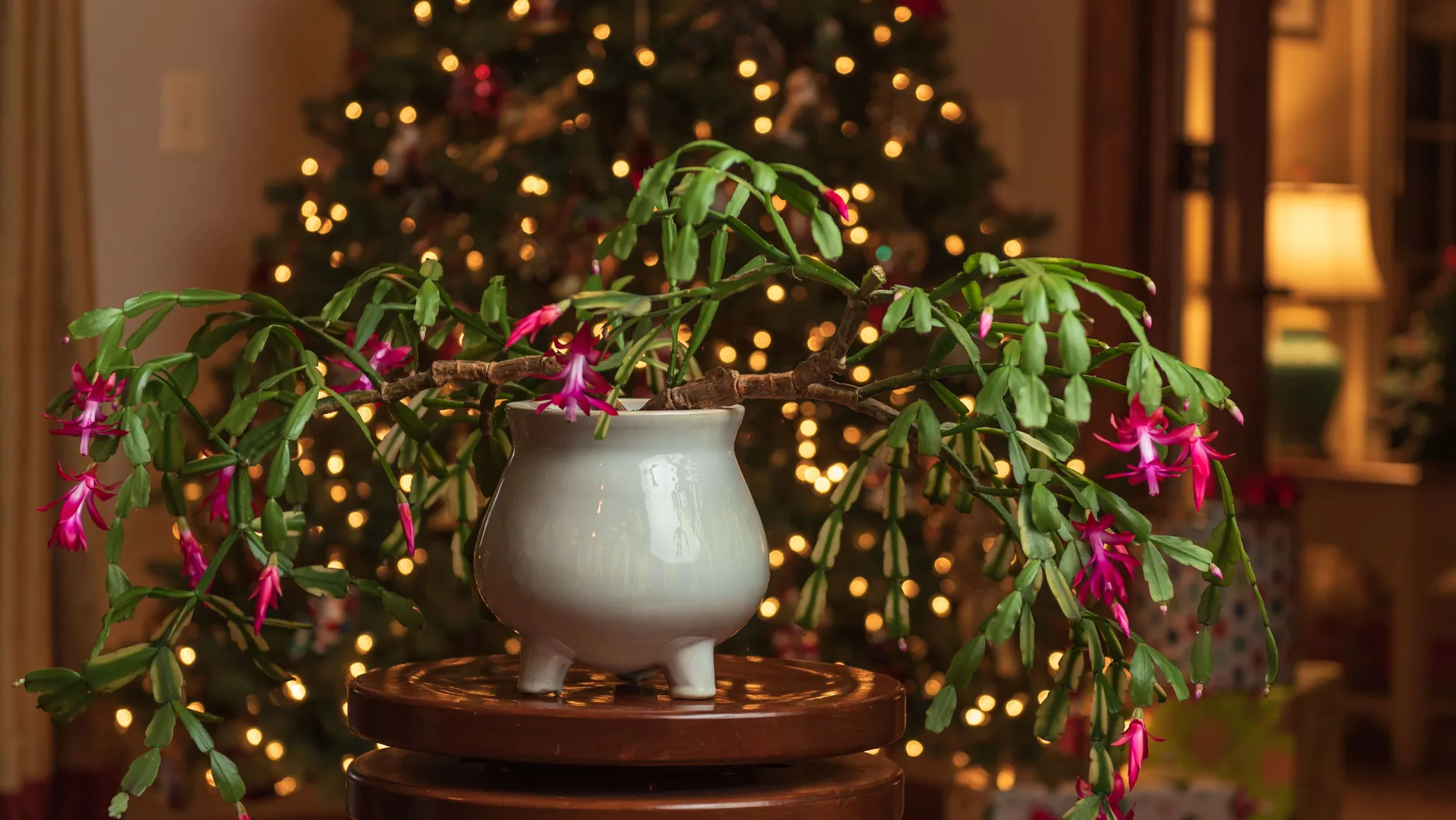
I won’t be putting up my Christmas tree just yet, but my home already looks festive thanks to my seasonal indoor plants. Aside from a pretty white cyclamen and bright red poinsettia, I also have a Christmas cactus.
Now that I have completed my winter houseplant collection, I’m wondering how I can help my Christmas cactus thrive and stay vibrant and healthy over the festive season and beyond.
It turns out there’s a natural fix, and it’s sitting in the compost caddy in my kitchen. Besides giving me a kick in the morning, coffee grounds are a natural fertilizer that can perk up your Christmas cactus.
What you need to know
But before you start adding all your spent coffee grounds to your Christmas cactus, take it easy. Although coffee grounds can be used as a mild fertilizer, there are other steps you can take to help your plant thrive.
What’s more, there are certain times of year when your Christmas cactus will appreciate a feed, and other times when it won’t.
The benefit of using coffee grounds

The Christmas cactus grows in tropical rainforests of Brazil, and thrives in rich, organic compost, unlike the desert cacti that grow in arid, sandy ground. Coffee grounds can help mimic this rich environment, and their nitrogen content supports healthy new growth. They are also acidic, which this plant favors.
Beyond promoting lush growth, vibrant color and a strong root system, coffee grounds can enhance soil structure by improving aeration and water retention.
Beyond promoting lush growth, vibrant color and a strong root system, coffee grounds can enhance soil structure by improving aeration and water retention.
When to add coffee grounds to your Christmas cactus
Although I’m happiest when I have a daily fix of coffee grounds, your Christmas cactus won’t appreciate a daily sprinkle of grounds. In fact, it only needs a coffee fix every four to six weeks in the spring and summer.
If you add coffee grounds to your plant’s soil over the festive season, it can stress the plant during its flowering season. Instead of adding nutrients to the soil, the extra nitrogen can disrupt the plant’s cycle, preventing buds from forming or causing flowers to fall early.
How to use coffee grounds to fertilize your Christmas cactus
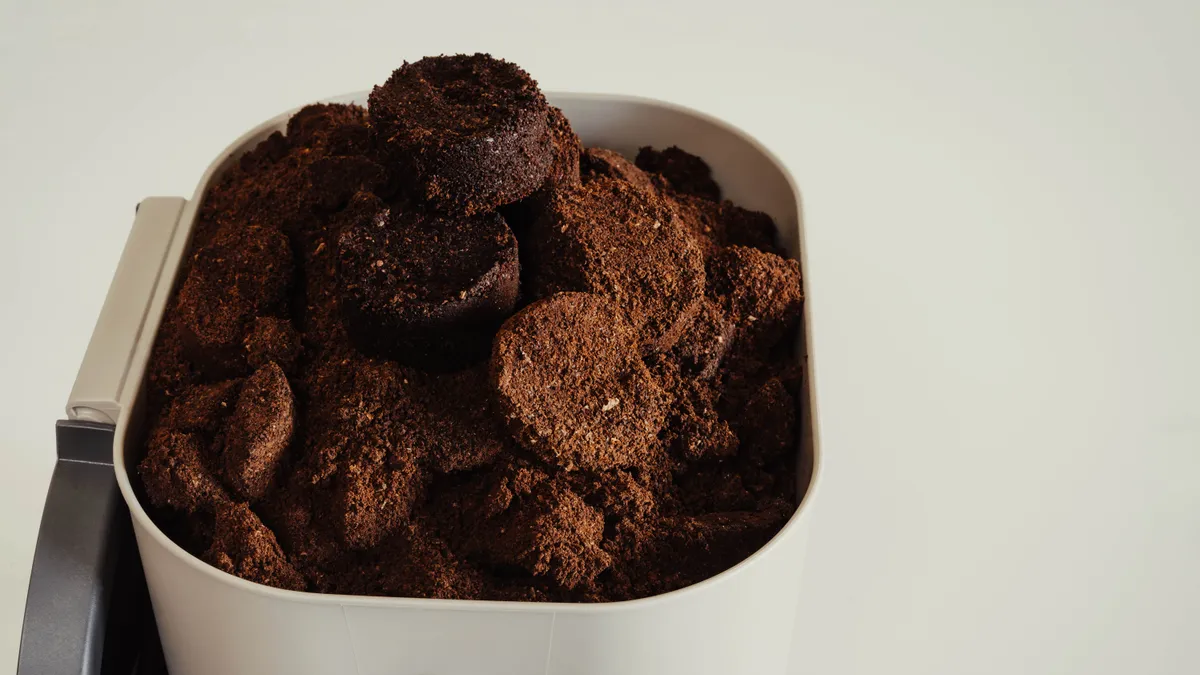
It’s best to dry the coffee grounds first and mix them into the soil or another compost before adding them to your plant.
Why you need to dry your grounds
Wet coffee grounds sitting on top of the soil can develop white mold and attract fungus gnats; drying them first eliminates this risk. Wet grounds are also likely to clump together and form a dense layer on the surface, hindering aeration. While, fresh or uncomposted grounds break down more slowly and take longer to work.
How to fertilize your Christmas cactus with coffee grounds: 3 things to try
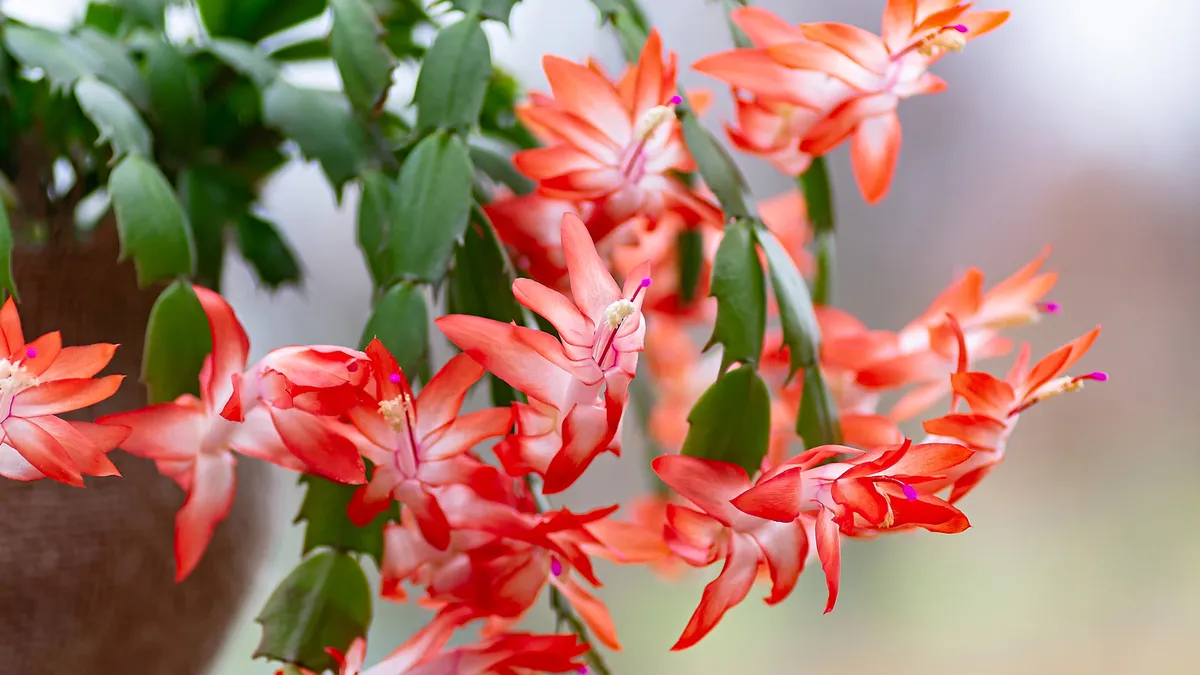
1. Coffee grounds and potting soil
Spread used coffee grounds on a plate and let them dry completely. Once dry, mix 1 to 2 tablespoons of the grounds with 1 cup of potting soil. Spread the blend over the top of your plant’s soil, repeating every four to six weeks during the spring and summer.
2. Make a liquid feed
Mix 1 teaspoon of used coffee grounds into 1 cup of warm water and let the solution steep overnight. Strain out the grounds and use the coffee-infused water to feed your plant, repeating monthly during the spring and summer.
3. Create a coffee compost
Add used coffee grounds to your compost bin. Once the compost has fully broken down and is ready to use, add a fresh layer to the top of your plant’s soil. While it takes the longest to prepare, composting is the safest and most effective way to fertilize your Christmas cactus with coffee grounds.
How to care for your Christmas cactus over the festive season
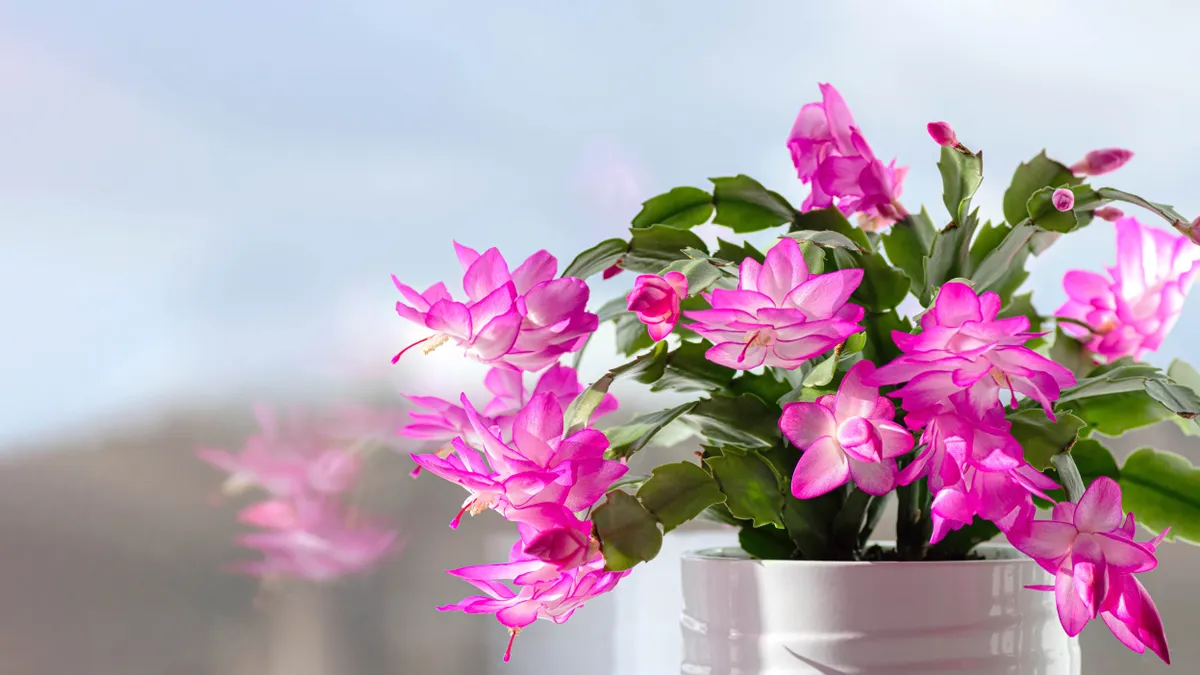
While it's best not to fertilize your Christmas cactus during its flowering season, you can help it thrive by providing the best conditions.
Light
Place your Christmas cactus in a bright spot, such as near a window, but keep it out of direct sunlight, as harsh rays can scorch, bleach or weaken the plant. Because these plants are native to tropical rainforests, they thrive best in dappled shade.
Temperature
Aim to keep the room temperature around 65-75°F during the day, while a cooler nighttime temperature will help trigger blooming.
Water
Because it’s not a desert cactus, it needs to be watered, but don’t go overboard. I use a simple tool, like this Hathdia Soil Moisture Meter, $5 at Amazon, to check when my plants need a drink.

Follow Tom's Guide on Google News and add us as a preferred source to get our up-to-date news, analysis, and reviews in your feeds.
More from Tom's Guide