For as long as I can remember, I've had anxiety. Overthinking combined with diagnosed ADHD means that sometimes my nervousness leaves me with unsightly nails because I've bitten them off.
I've tried everything. I’ve used bitter nail polish. I’ve promised myself “this is the last time.” I’ve gotten expensive manicures and Googled tips late at night after realizing I’d chewed them down again without noticing.
Nothing stuck — because I was treating it like a discipline problem. Then, almost by accident, I tried something different. I opened ChatGPT and asked it to help me understand the habit instead of fight it.
That’s when things started to change.
Why nail-biting is such a hard habit to break

Nail-biting isn’t really about nails. It’s a nervous habit — something the body does automatically when you’re anxious, bored, overstimulated or deep in thought.
For me, it happened when I read emails, before stressful meetings or conversations, sometimes even during these conversations. I would bite my nails without even realizing my hands were even near my mouth! As a grown woman, this left me embarrassed more times than I can count.
Like anyone trying to break a bad habit, I was desperate for a real solution to stop the once and for all. So, I asked AI.
The question I asked AI

Instead of asking for tips, I asked for insight:
“I bite my nails without realizing it. Can you help me understand why this habit might show up, what triggers it and how to interrupt it gently — without shame or willpower tactics?”
The response wasn’t judgmental and the AI didn't generically respond by telling me to “be more disciplined.” It explained something I hadn’t fully internalized before: this habit wasn’t a failure — it was a signal.
What AI helped me notice

Although AI could never replace a therapist or a doctor, I noticed that in just a few short conversations, AI helped me spot patterns that I'd missed for years.
- It’s a stress outlet, not a flaw. Nail-biting showed up most when my brain was overloaded. It was my nervous system looking for regulation. Once I stopped treating it like a bad behavior, it lost some of its power.
- Awareness matters more than control. AI suggested something simple: notice the habit as it happens, without trying to stop it immediately. That alone was huge. The moment I noticed my fingers in my mouth, I’d pause — not scold myself — just pause.
- Replace the action, not the urge. Instead of trying to eliminate the urge, AI encouraged me to redirect it. One thing that has worked for weeks is a fidget ring that I bought on Amazon. Same sensory input. Different outcome.
The one AI habit that actually helped
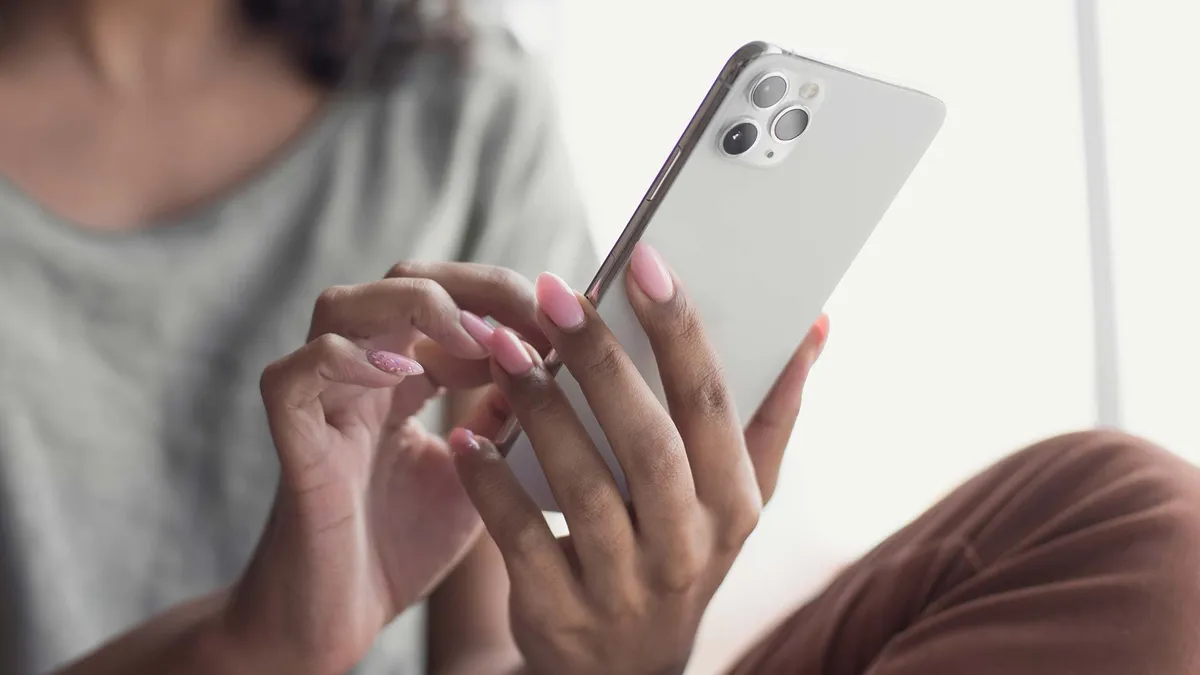
Here’s what worked better than anything else I’ve tried: I started doing short check-ins with AI when I caught myself biting my nails.
Sometimes I’d type: “I’m biting my nails right now. What might I be feeling?”
Other times: “Help me pause for 10 seconds and reset.”
It sounds small — but it created a gap between the urge and the action. And that gap is where habits change.
The prompt you can try (for any bad habit)
Here's the thing, AI didn’t “fix” me. It didn’t motivate me with streaks or guilt. It didn’t turn this into a self-improvement project. It helped me slow down.
The habit started showing up less often; not because I forced it to stop, but because I noticed it sooner. Some days I still bite my nails. But I don’t spiral about it anymore. And more often than not, I stop myself mid-motion without even thinking about it.
That’s progress I’ve never had before.
If you want to try this with your own habit — nail-biting, doomscrolling, snacking, procrastinating— start here:
“I have a habit I want to understand, not shame. Can you help me explore why it shows up, what triggers it, and how to interrupt it gently?”
If you want to go deeper, follow up with:
- “What am I getting from this habit?”
- “What would be a softer replacement?”
- “How can I notice this earlier next time?”
Final thoughts
Breaking a habit doesn’t always require discipline, grit or a fancy new system. Sometimes it just requires understanding and a thoughtful pause.
Using AI didn’t magically make my nail-biting disappear. But it helped me see it differently. And once I did, the habit stopped running the show. I can't promise AI can help you stop any bad habits you may have, but if you haven't had success with everything else, it might be worth giving it a try.

Follow Tom's Guide on Google News and add us as a preferred source to get our up-to-date news, analysis, and reviews in your feeds.
More from Tom's Guide
- I turned a hotel key card into a one-tap shortcut for ChatGPT — and now I use it every day
- I used Nano Banana on undeveloped photo negatives — and finally saw what was inside
- I tested Google’s Nano Banana — drawing directly on my photos works better than typing prompts