For the past few years, I’ve watched AI work behind the scenes in Hollywood. I've seen it de-age actors, bring some back to life, generate concept art and assist with visual effects. Today, the technology has stepped into the spotlight itself.
This week, U.K.-based studio Particle6 announced that its AI-generated performer, Tilly Norwood, will star in its first feature film, "Misaligned". The announcement is a clear signal that Hollywood now views AI as primary on-screen talent.
The mystery behind Tilly's training data
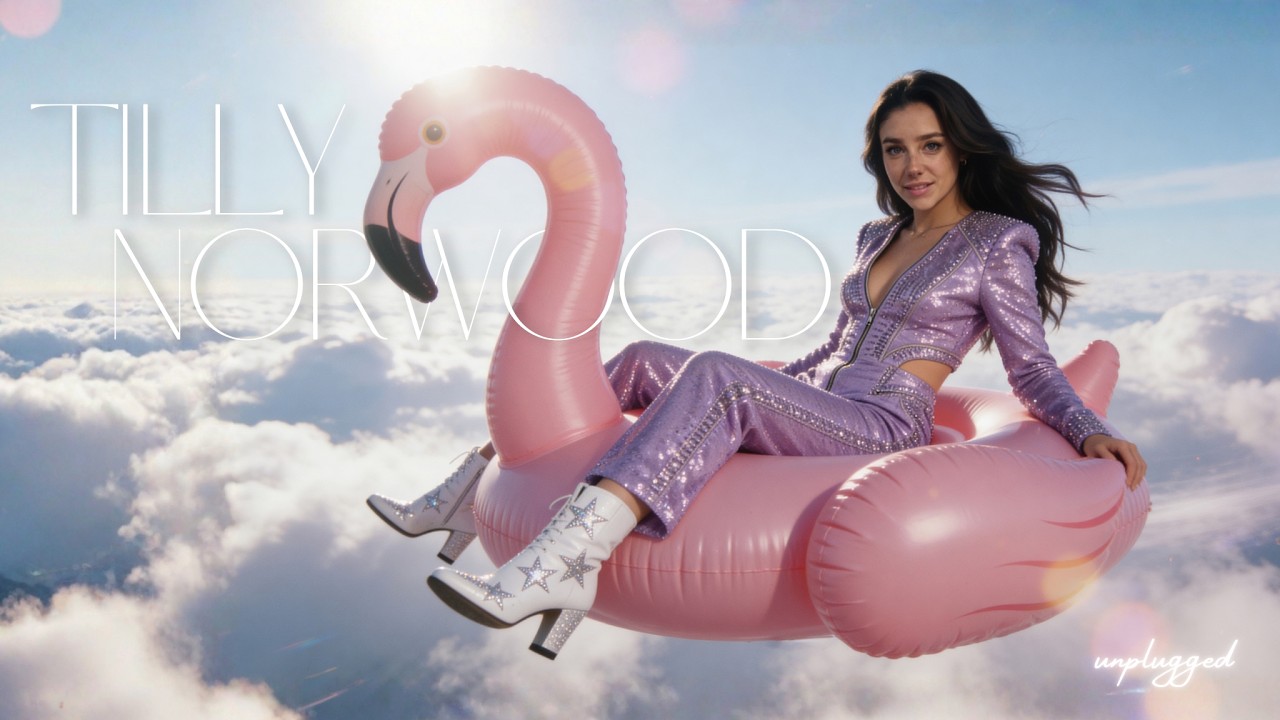
When I dug into exactly how Particle6 brought Tilly to life, I immediately hit a wall of proprietary secrets. The studio refuses to release the specific dataset used to train their digital lead. That lack of transparency is driving a massive industry backlash from major actors like Emily Blunt, Melissa Barrera, and Natasha Lyonne, who have all voiced extreme disapproval of the synthetic performer.
SAG-AFTRA has been highly critical of her origins too. The union issued a blunt statement asserting that Tilly is generated by a program trained on the work of countless professional performers without permission or compensation.
Since foundational AI video models require massive amounts of visual data to understand human movement, lighting, and micro-expressions, critics argue that Tilly is essentially a composite puppet stitched together from the copyrighted work of real actors. The union claims this technology creates the very real problem of using "stolen performances" to jeopardize performer livelihoods.
Particle6 insists her creation is an act of hybrid craftsmanship. Van der Velden describes a workflow requiring extensive human intervention. The studio employs a crew of over 30 traditional TV and film creatives who work directly with AI specialists. They use generative foundations to lock in her visual identity, and then human directors prompt, refine, and edit her movements, often blending live-action footage with AI-driven reconstructions. According to Van der Velden, it took over 2,000 iterations to "teach" the AI to act.
The bigger picture
The broader reality here is that generative AI previously acted as a creative assistant. Writers used it to brainstorm, designers used it to generate images and editors used it to speed up post-production. Today, the AI itself is the final product.
We've already seen AI influencers build millions of followers, AI musicians rack up streams, and AI-generated personalities dominate social media feeds. An AI leading a feature film pushes that trend a massive step forward.
Will audiences actually accept an AI star?
Technically, we've had digital characters for decades. The real question I'm looking at is whether audiences will embrace an AI performer the same way they've embraced virtual influencers, VTubers or CGI characters.
One of the biggest hurdles facing characters like Tilly is the "uncanny valley" — the unsettling feeling audiences get when a digital human looks almost real, but slightly off.
I'm curious what you think. Would you watch a movie with an AI cast? Share your thoughts in the comments.

Follow Tom's Guide on Google News and add us as a preferred source to get our up-to-date news, analysis, and reviews in your feeds. Subscribe to Tom's Guide on YouTube and follow us on TikTok. Finally, you can visit our dedicated Tom's Guide Savings Squad hub for expert help on getting the best products for less.
More from Tom's Guide