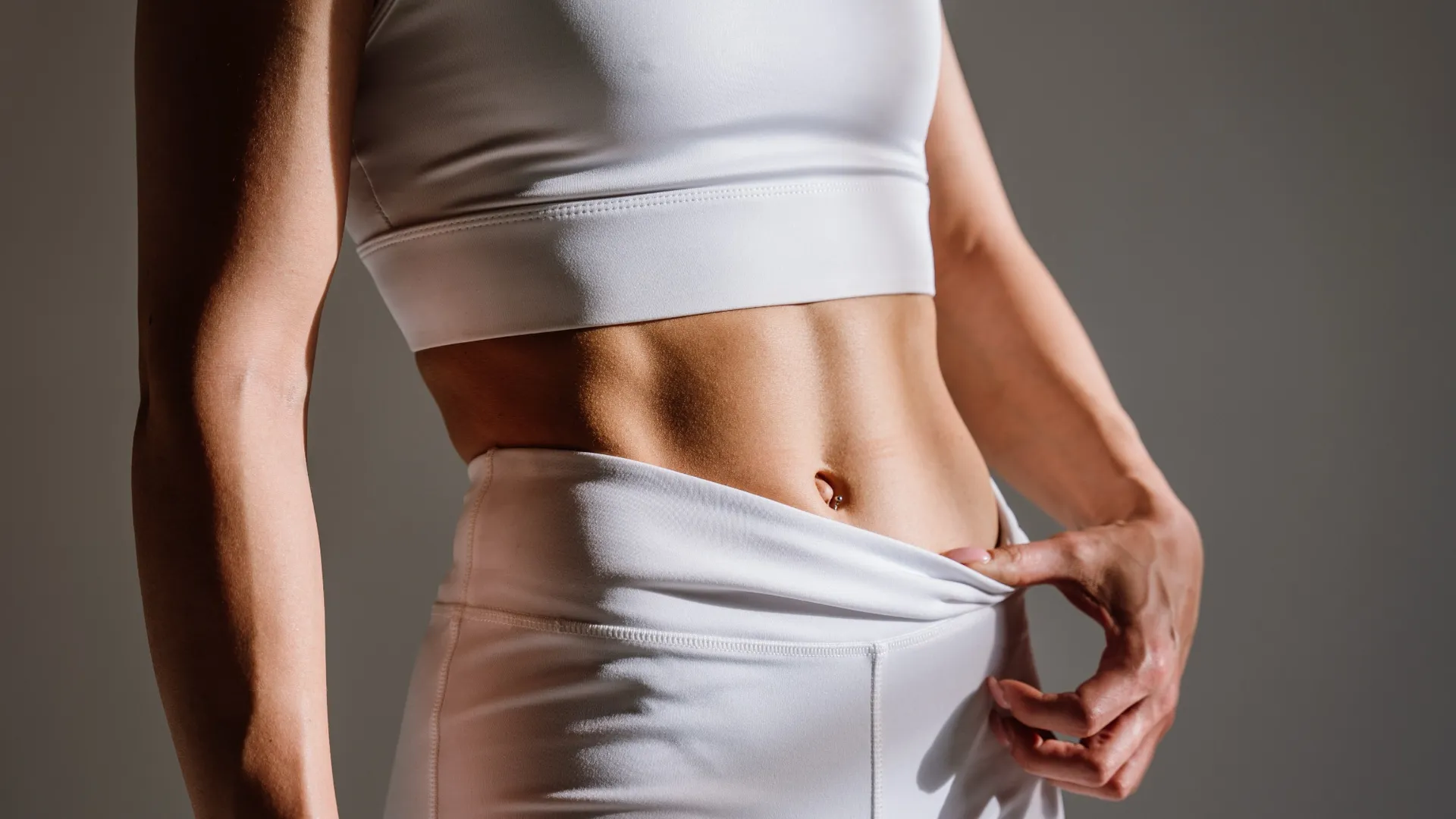
I learned a new Pilates core exercise recently, and it will set your obliques on fire without a Russian twist or side plank in sight. It builds strength in the muscles that run along your waist while also working your shoulders and core muscles in general.
It's called the German twist, and I am completely besotted. We know that to protect your lower back and stay functional at any age, all the core muscles in your body should be trained; otherwise, you could experience instability or weakness in other areas. This move is designed to torch your waist and deep core muscles, so it's certainly one to add to your routine.
I used a reformer to perform it, but you don't need to. Sliders or a towel work, too. Here's how to do German twists, and why I recommend it.
How to do German twists
German twists focus on the oblique muscles and are typically a Pilates reformer exercise that strengthens the side body.
As your chest and shoulders remain stable and reformer-facing, you'll cross your legs in a plank position, then rotate through your hips as you lift your hips and draw your feet toward your hands, driving the movement with your obliques and deep core muscles.
Unless you have elite levels of mobility to lift vertically over your shoulders, the move is typically performed with your hands holding the handlebars of a reformer or on high blocks if you perform it on the ground.
It's a great move for developing strength, stability and mobility, so here's how to do it:
- Start on a reformer in a high plank position, hands on handlebars and shoulders stacked directly over wrists. If you perform this on the ground, raise your hands on books or blocks and place a towel beneath both feet
- Engage your core and draw your stomach in. Cross your right foot over your left and keep your heels flat on the carriage. Your shoulders and chest should stay facing down
- Lift your butt and ribcage upward, then draw your feet toward your hands as you rotate your hips and move the carriage toward you
- Focus on engaging your obliques and squeezing the sides of your body
- Pause, then slowly reverse the motion back to the plank position and resquare the hips
- Complete your reps, then switch sides.
Check in with your physician before starting any new exercise or activity. Beginners should consider seeking a Pilates instructor to learn correct form if completely new to German twists. If you have a health condition or injury, proceed with caution.
Complete 10-15 reps and 3 sets
Benefits of German twists
This is technically a compound exercise targeting the shoulders, hips, side body, arms and core, meaning you'll work multiple muscle groups rather than just your obliques, although they primarily drive this move.
Your shoulders and upper body must stay stable, with your weight over your wrists as you lift through your lower body, which, to a degree, will challenge your mobility and the flexibility in the lower back and hamstrings. Your core muscles also recruit for stability, but focus on pulling with your side body and keeping tension there as you press down through your heels.
I find that exercises such as Russian twists, side planks and side bends can get a little boring, so this is a fun and challenging way to work your oblique muscles through a combination of rotational and crunching motion, hitting the muscles hard while building core stability and control. It's also a great challenge for your shoulders, forearms and grip strength.
If you think it might be time to learn a new exercise, give this a try and let us know how you get on in the comments!
Follow Tom's Guide fitness on Instagram for more workouts, routines, tips, and tricks.
More from Tom's Guide

- I’m a personal trainer who works with seniors — these are the 4 balance exercises I wish everyone would do before they turn 60, to build strength and stability
- I’m a personal trainer who works with seniors — everyone under 60 should start doing these 3 full-body exercises now
- No sit-ups or planks in sight — this is the Pilates exercise I use to build deep core strength, spinal flexibility and balance