A new study has found that getting an insufficient amount of sleep on a long-term basis is shortening our lives. The study, conducted by Oregon Health & Science University (OHSU), indicates that regular lack of sleep is one of the biggest predictors of decreased life expectancy, more so than other lifestyle factors, including obesity, loneliness and inactivity.
Key takeaways
- Study indicates that insufficient sleep is one of the biggest predictors of shortened life expectancy, more so diet and exercise
- ‘Insufficient sleep’ is categorised as less than seven hours per night for healthy adults
- Treat sleep as a core pillar of health, researchers urge
The study evaluated data from the Center of Disease Control and Prevention Behavioral Risk Factor Surveillance System surveys (CDC) from 2019 to 2025, looking for associations between insufficient sleep and decreased life expectancy. Researchers found that there was a negative correlation between the two during the six year period in most American states.
While sleep duration and quality has long been a key indicator of our long and short term health, this study highlights just how important rest is to our overall longevity.
“I didn’t expect it to be so strongly correlated to life expectancy,” senior author Andrew McHill, Ph.D., associate professor in the OHSU School of Nursing, the OHSU School of Medicine and OHSU’s Oregon Institute of Occupational Health Sciences, tells OHSU News.
“We’ve always thought sleep is important, but this research really drives that point home: People really should strive to get seven to nine hours of sleep if at all possible.”
Exploring the link between insufficient sleep and life expectancy

The study, conducted by OHSU and published in the SLEEP advances academic journal on the 8th of December, mined the data from the Center of Disease Control and Prevention Behavioral Risk Factor Surveillance System surveys (CDC) from 2019 to 2025.
Researchers combed the surveys for associations between insufficient sleep (categorised in this instance as less than seven hours per night) and life expectancy and found that, in most American states within the six year period, there was a negative correlation between the two.
Further research has also linked sleep and heart health, with one study noting small improvements in sleep duration can help guard against heart attacks and stroke.
In addition to sleep duration, researchers looked at other lifestyle factors that could impede longevity, including diet and exercise. Smoking was the only lifestyle factor that had a greater impact on decreased life expectancy, the study found, with sleep trumping other lifestyle factors including obesity and inactivity.
“This research shows that we need to prioritize sleep at least as much as we do to what we eat or how we exercise,” Dr McHill says. “Sometimes, we think of sleep as something we can set aside and maybe put off until later or on the weekend."
“Getting a good night’s sleep will improve how you feel but also how long you live.”
How insufficient sleep can shorten your lifespan
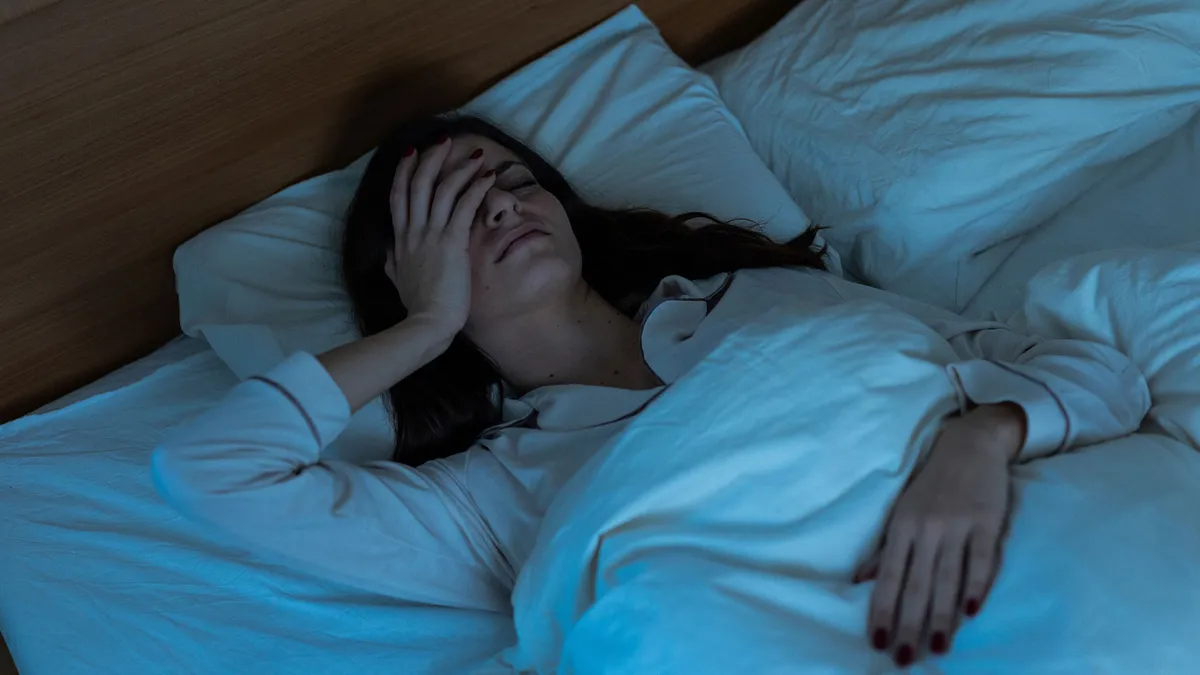
While the study from OHSU establishes the link between insufficient sleep duration and decreased life expectancy, it doesn't explore why.
“Sleep is a biological reset for nearly every system in the body," explains Michael Howell, MD, a sleep medicine physician and chief medical officer at GEM Sleep.
"Chronic sleep deprivation leads to ongoing stress, inflammation and metabolic disruption, which over time increases the risk of heart disease, diabetes, stroke, depression and neurodegenerative disease."
Deep sleep is also when glymphatic system clears waste proteins, continues Dr Howell. "When that process is disrupted night after night, long-term brain health suffers. We also see higher mortality risk when sleep deprivation is driven by untreated conditions like obstructive sleep apnea, where repeated drops in oxygen place strain on the heart and brain.”
The encouraging news is that, if rectified early enough, many symptoms of sleep deprivation can be partially reversed, explains Dr Howell. “Improving sleep duration and — just as importantly — sleep quality can lower blood pressure, improve insulin sensitivity, sharpen cognition and restore energy."
The key, says Dr Howell, is identifying what’s standing in the way of good sleep. "Once sleep disorders are treated and healthy sleep habits are re-established, the body has a remarkable ability to recover.”
How much sleep do we need?
The National Sleep Foundation’s guidelines recommend that most healthy adults need between seven and nine hours of sleep per night. However, precisely how much sleep you need can fluctuate depending on activity levels, age and genetics. Periods of illness or stress can also increase your need for sleep.
Understanding how much sleep you need means staying alert to the signs of sleep deprivation, regardless of how many hours you're clocking up.
“One of the biggest signs is persistent daytime sleepiness and things like needing caffeine to function, nodding off during quiet moments or feeling foggy despite what seems like a full night’s sleep," says Dr Howell.
Other common signals include irritability, difficulty concentrating, memory issues, morning headaches and reduced motivation, he continues. "Importantly, many people think they’re sleeping ‘enough,’ but poor-quality sleep — from frequent awakenings, snoring, or untreated obstructive sleep apnea — can produce the same effects as too little sleep."
A few sleepless nights are generally nothing to worry about
Most of us have experienced periods in our lives when we've slept less than we'd like. How concerned should we be?
"Throughout our lives there will be lots of reasons we might struggle to get a good night’s rest, like illness, work, or having a baby," explains Dr Hana Patel, resident sleep expert at Time4Sleep and a UK-based NHS GP.
"A few sleepless nights are generally nothing to worry about, however this can become an issue if we find it starts to affect our day-to-day lives."

Stress, illness, caregiving and shift patterns are just a few reasons why you might find yourself unable to get the sleep you need. However, certain lifestyle factors can also impact the quality and the duration of our sleep, warns Dr Patel.
Smoking and drinking (even just a couple of alcoholic beverages) before bed can disrupt your REM sleep, while exposure to blue LED light from screens can decrease the release of melatonin, the hormone that helps ready our brains and body for sleep, explains Dr Patel.
If you're looking to increase the amount of sleep you get, see below for our practical tips for sleeping better and for longer...
How to sleep better and longer for longevity
Getting sufficient sleep should be as much as a priority as a healthy diet and making time for exercise, urge researchers from OHSU. Here's three practical ways to sleep better:
1. Establish a relaxing nighttime routine
“Pressure and demanding work can also impact our sleep, as high levels of stress can disrupt our circadian rhythms," explains Dr Patel.
"Mental strain in our day-to-day lives can keep our minds active at night, making it harder to fall asleep, so try to develop a healthy and relaxing night-time routine," she urges.
A nighttime routine doesn't have to be a long, laborious affair that is difficult to stick to. It could be as simple as reading a book in bed for a few minutes, or taking a shower. Crucially, it needs to involve something that you find relaxing and doesn't involve a screen.

2. Create the right environment
Your sleep hygiene refers to creating the right environment for quality sleep. That includes investing in the best mattress for your sleep needs, ensuring ambient light and noise is blocked out and that your bedroom is right temperature for sleep.
"Bedrooms that are too cold or too hot can seriously impact your sleep," says Dr Patel. "Overheated bedrooms can cause continued restlessness throughout the night, resulting in delayed and disrupted sleep."
3. Set a consistent wake-up and sleep schedule
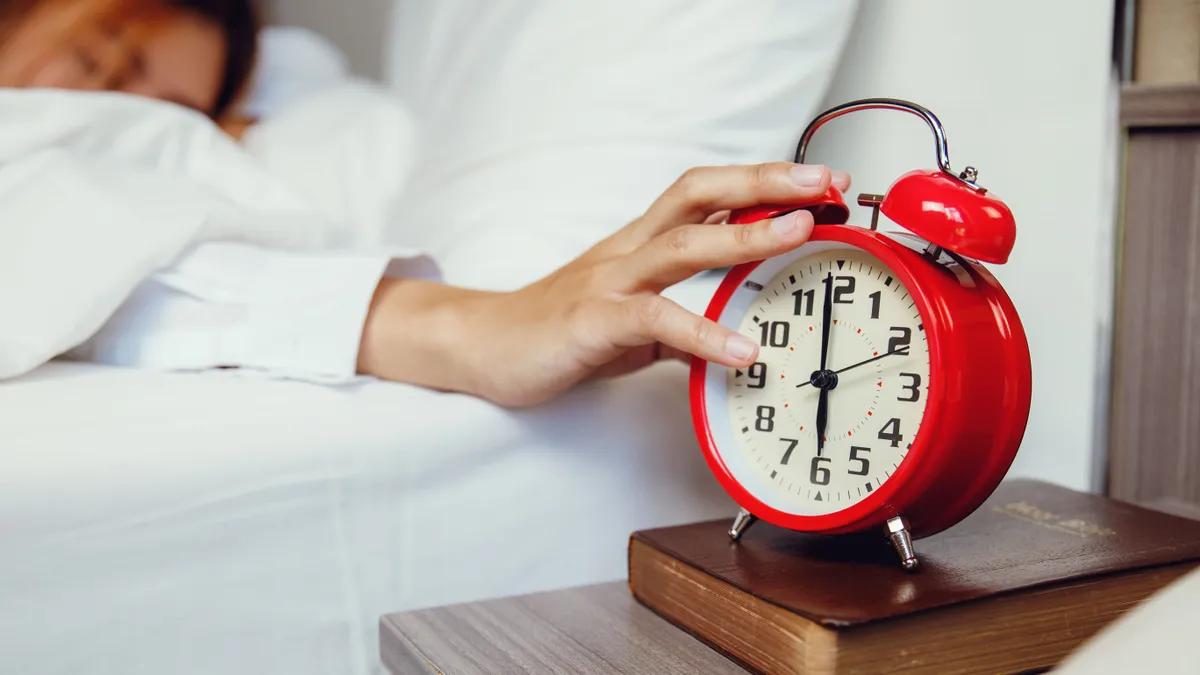
Creating a consistent sleep and wake schedule will help prepare your brain and body for rest at the right time, and help you meet the day feeling refreshed.
That means going to bed at the same time every night, allowing for 7-9 hours of sleep depending on your unique needs, and waking at the same time every morning.
"If you create good healthy bedtime habits, you will develop a regular sleep-wake cycle, which will programme your body to sleep better during the night and make you feel more rested in the day," concludes Dr Patel.

Follow Tom's Guide on Google News and add us as a preferred source to get our up-to-date news, analysis, and reviews in your feeds.