In 2026, it seems that fitness trackers are losing screens and gaining followers. In a world of buzzing notifications, users seem to be moving to a more peaceful approach when it comes to keeping an eye on their sleep, stress, and movement goals.
I’m in the other camp — I review fitness tech for a living, so there isn’t a day that goes by that I don’t have multiple devices strapped to my pulse points. For the past week, I’ve been road-testing the newly released Fitbit Air — Google’s first Fitbit-branded product since the Charge 6, and a $99 screenless tracker that looks set to take on the likes of Whoop.
I’ve been impressed with how lightweight and comfortable the band is, and I’ve been using it to track my sleep, alongside my Oura Ring 4.
Of course, without heading to a lab, it’s impossible to tell which of these is actually more accurate, but I’ve been wearing the Oura Ring 4 since its release in 2024, and before that, the Oura Ring Generation 3, so this device knows a lot about my sleep patterns. Read on to find out how Fitbit’s newest tracker compares.
Fitbit Air vs Oura Ring 4: The basics
Of course, before jumping into the sleep tracking, it’s important to highlight the obvious difference between these two devices. Let’s start with the design — the Oura Ring 4 is a smart ring that can be worn on any finger.
It looks like jewelry and comes in six finishes for the titanium version or four colors for the ceramic version. Pricing starts at $349/£349, and you’ll need an ongoing subscription to get the most out of the ring, which costs $5.99/£5.99 per month or $ 72/£72 per year.

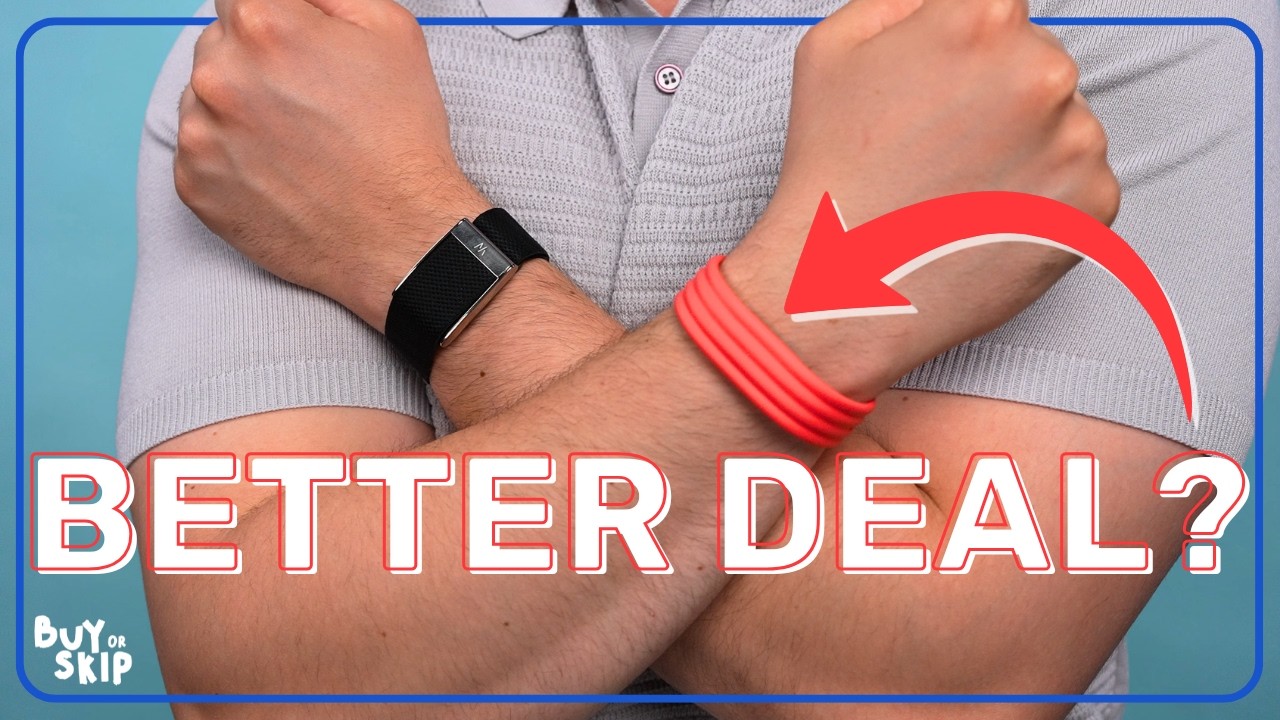
The Fitbit Air, on the other hand, is a screenless tracker designed to be worn on the wrist. Designed so that you can easily swap one band for another, the selection of strap options at launch is seriously vast, with a wide range of both silicone and textile options to choose from.
The device costs $99/£89 and comes with a three-month trial to Google Health Premium (previously called Fitbit Premium). You can choose to stay subscription-free, but to get more detailed sleep information, Google’s new health coach, and workouts, you’ll need to pay for the subscription, which costs $9.99 / £7.99 a month or $99 / £79 per year.

Fitbit Air vs Oura Ring 4: Sleep tracking
Both devices are designed to track your sleep stages, sleep duration, sleep quality, and more. Both will also package your sleep data up into a score out of 100, so you can see at a glance when you wake up how well you’ve slept.
Below, I’ve taken a deep dive into those scores over the past seven nights. In a previous life, I was a solid eight-hours-a-night sleeper. These days, I’m a single mom to a toddler who moonlights as a Houdini-style escape artist.
My nights often involve negotiations with said toddler to persuade him it’s not, in fact, morning, so let’s not focus too much on the sleep duration part of this test, before I accidentally cry on my keyboard.
| Row 0 - Cell 0 | Fitbit Air |
Oura Ring 4 |
May 15 |
Sleep score: 82 (good) |
Sleep score: 86 (optimal) |
May 16 |
Sleep score: 76 (fair) |
Sleep score: 82 (good) |
May 17 |
Sleep score: 68 (fair) |
Sleep score: 65 (fair) |
May 18 |
Sleep score: 80 (good) |
Sleep score: 74 (good) |
May 19 |
Sleep score: 74 (fair) |
Sleep score: 72m (good) |
May 20 |
Sleep score: 76 (fair) |
Sleep score: 76 (good) |
May 21 |
Sleep score: Not recorded |
Sleep score: 85 (optimal) |
As you can see, the overall sleep scores between the two devices were pretty similar, even with differences between the sleep durations recorded by each device each night. Both agreed that May 17 was my worst night’s sleep, and both accurately recorded the 2 hours and 24 minutes it took me to get my toddler back into bed. Both also gave me a sleep efficiency score of 70%, which is lower than the typical range.
Both devices show your sleep scores and patterns on a graph, so you can see your awake time (hopefully a lot shorter than mine) and your time in the REM, Light, and Deep stages of sleep. I would say Oura goes into more detail, with features such as sleep debt, which shows you how much sleep you need to fully recover (a girl can dream, Oura).
While knowing all my sleep stages is interesting, a key metric I look at each night is my resting heart rate, as this is a really accurate reflection of my overall health. A high resting heart rate usually signals that I’m overtraining, getting sick, or, more often than not, have had a glass of wine with dinner.
Sticking with the worst night’s sleep of the week, the Fitbit Air recorded my resting heart rate as 56 beats per minute. The Oura Ring 4 recorded 49 beats per minute, but goes a step further by giving me data on my heart rate variability, too. I know from tracking my sleep religiously that this is within my baseline, so I’m not getting sick; I just have a toddler.

Of course, there’s no real way to measure sleep without doing controlled tests, but I’ve been impressed at how close the Fitbit Air has gotten to the much pricier Oura Ring 4, which has a lot more of my data after years of wear.
The only anomaly was on May 21, when, for some reason, Fitbit didn’t give me a sleep score. Common errors include the tracker being low on battery (mine was fully charged) or too loose, but I’ll write this off as a one-off.
For $99, you’re getting a great sleep tracker that is far more comfortable to wear overnight than most of the best smartwatches on the market. So far, I’m impressed, but I’ll continue to wear both as I chase my toddler around in the small hours to continue testing. Wish me luck.

Follow Tom's Guide on Google News and add us as a preferred source to get our up-to-date news, analysis, and reviews in your feeds.
More from Tom's Guide
- Garmin’s screen-less Whoop competitor could cost five times as much as the Fitbit Air
- Garmin Forerunner 70 vs Garmin Forerunner 170 — what are the main differences between Garmin’s two new running watches
- I tested the $79 Amazfit Bip 6 vs the $249 Apple Watch SE 3 — and the cheaper smartwatch is a lot better than I thought