




Nothing beats the taste of homegrown tomatoes — freshly picked off the vine and thrown straight into your tasty meals. And even though these crops are considered the easiest to grow, it can be disappointing when you end up with more lush foliage than fruit.
This is especially true when you were looking forward to a juicy, flavorful harvest this summer. If your plants aren't producing, don't despair — there are several reasons behind your missing fruit and simple ways to get your crops back on track.
So, if you find yourself struggling with a plant that is all foliage and no fruit, these are the three most common pitfalls you might be making. Plus simple tips to ensure a bountiful harvest.
1. Choose the right variety for your climate

One key factor behind your lack of tomato harvest could be your climate. Typically, tomatoes thrive in temperatures between 75 and 95 degrees Fahrenheit. And if your planting area is either too hot or too cool, your crops will struggle to flower properly, resulting in a disappointing lack of fruit.
If your plants continue to struggle with flowering and you haven’t seen any fruit in months, try switching to another variety that is more suited to your local weather conditions.
For those living in the sun-drenched South, choosing heat-tolerant types like Buffalosun, Cherokee Purple, Stellar, or Pink Delicious can help you secure a flavorful harvest.
Those in colder regions with limited summer windows should opt for hardy varieties such as Washington Cherry, Legend, and Sub-Arctic Plenty to ensure their plants thrive.
In addition, tomato flowers tend to self-pollinate once the flower opens. If the weather conditions are affected by excessive heat, cold, or moisture levels, the pollen from the male parts of the flower may not reach the female parts — affecting development.
One pro tip is to try giving your tomato stems a light shake as soon as the first blossoms come through, as this simple trick can help promote better fruit set.
For more planting tips, check out Tom's Guide to tomatoes for everything you need to know about growing a juicy harvest.
2. Give your tomatoes enough sun
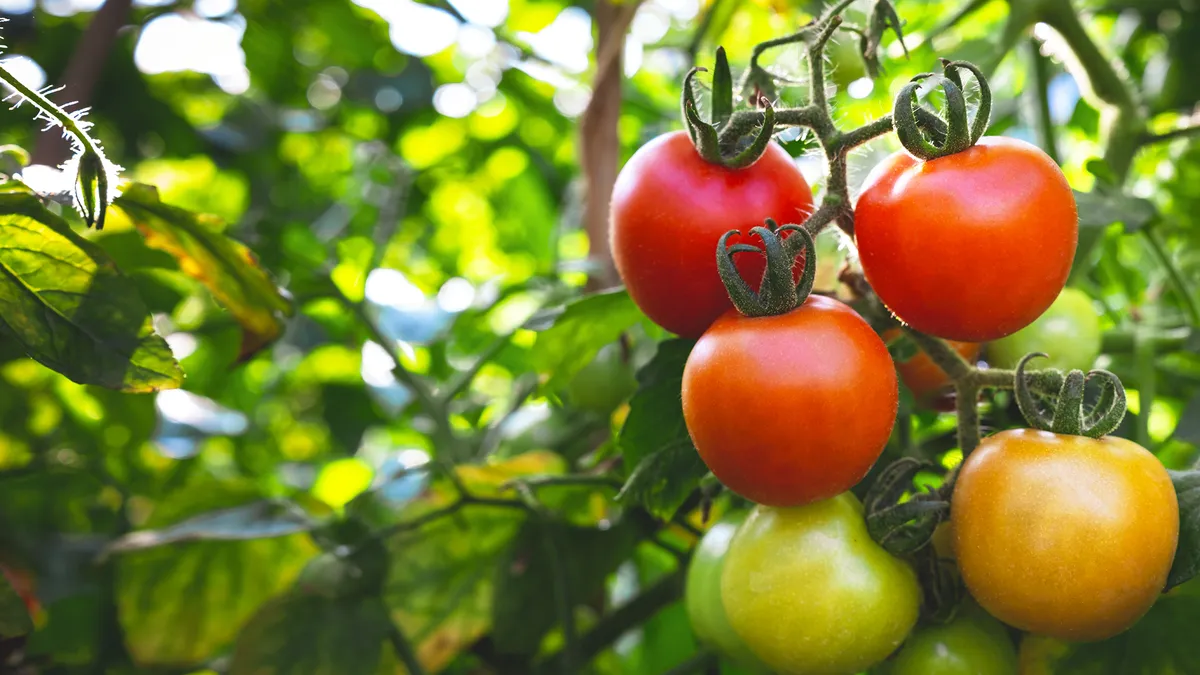
Tomatoes are sun-loving plants and need at least 6-8 hours of direct sunlight daily to help them produce more fruit. Without adequate sunshine, plants struggle to photosynthesize, and they will lack the energy to thrive.
As a result, this leads to tall, spindly growth, producing very few flowers and a sparse harvest of tomatoes to enjoy.
What’s more, low-light conditions are known to produce watery, bland fruit that lacks sweetness. So if you want to ensure juicy and flavorful fruit all season, let it soak up enough sun.
If you’re growing tomatoes in pots, it might be best to relocate them to a sunnier area in the home, and monitor the sun’s movement during growing season.
3. Watering tomatoes properly

While the summer heat might tempt you to reach for the hose more often, overwatering or under-watering your tomatoes can result in poor growth, wilting, and a lack of flowers and fruit.
The general rule of thumb is to water deeply and consistently when the top two inches of soil begin to dry. You can always check the soil for dryness before watering again with a water meter.
Plus, you’ll want to ensure your soil is kept in a healthy condition, free from disease or root rot, often triggered by overwatering. So a top tip is to add a rich, organic fertilizer like a layer of mulch around the base of the plants. Not only will it provide essential nutrients, but can act as a weed barrier, and prevent disease.
To get more out of your harvest this summer, check out when to fertilize tomatoes: the 3-step schedule for a bountiful harvest.

Follow Tom's Guide on Google News and add us as a preferred source to get our up-to-date news, analysis, and reviews in your feeds. Alternatively, you can read our content on the Tom's Guide app available now for iOS and Android. Subscribe to Tom's Guide on YouTube and follow us on TikTok. Finally, you can visit our dedicated Tom's Guide Savings Squad hub for expert help on getting the best products for less.
More from Tom's Guide

