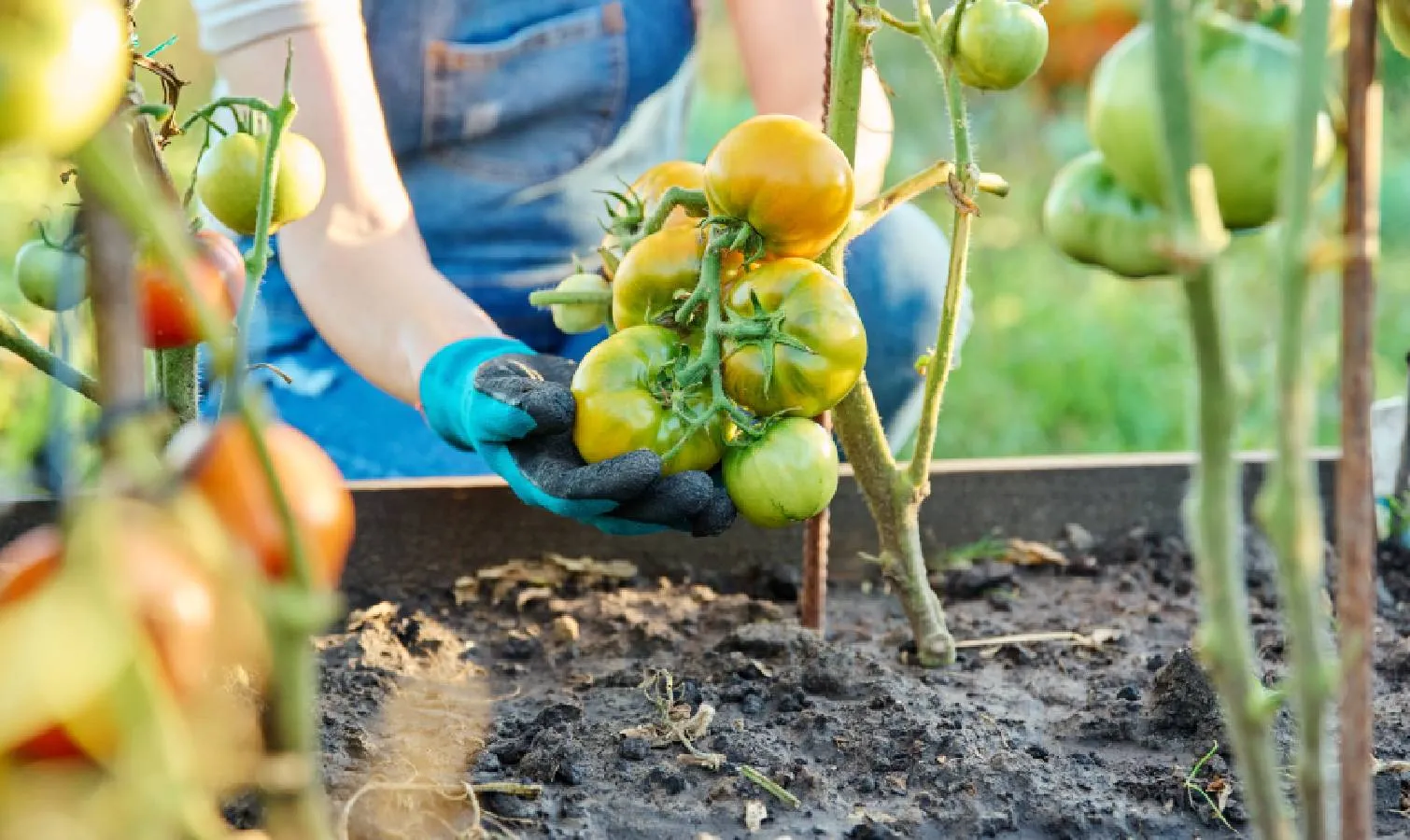
Indeterminate tomato plants grow continuously throughout the season, producing endless vines and foliage but surprisingly little fruit unless you prune them. Left unpruned, these plants waste energy on excess growth instead of directing it toward fruit production.
Removing the right parts forces the plant to channel energy into larger, faster-ripening tomatoes that actually taste good. Pruning also improves air circulation around the plant, preventing fungal diseases that thrive in dense foliage, and makes spotting pests significantly easier.
The result is a harvest that's both bigger and better. Here's how to prune correctly and double your tomato yield.
Know which tomatoes actually need pruning
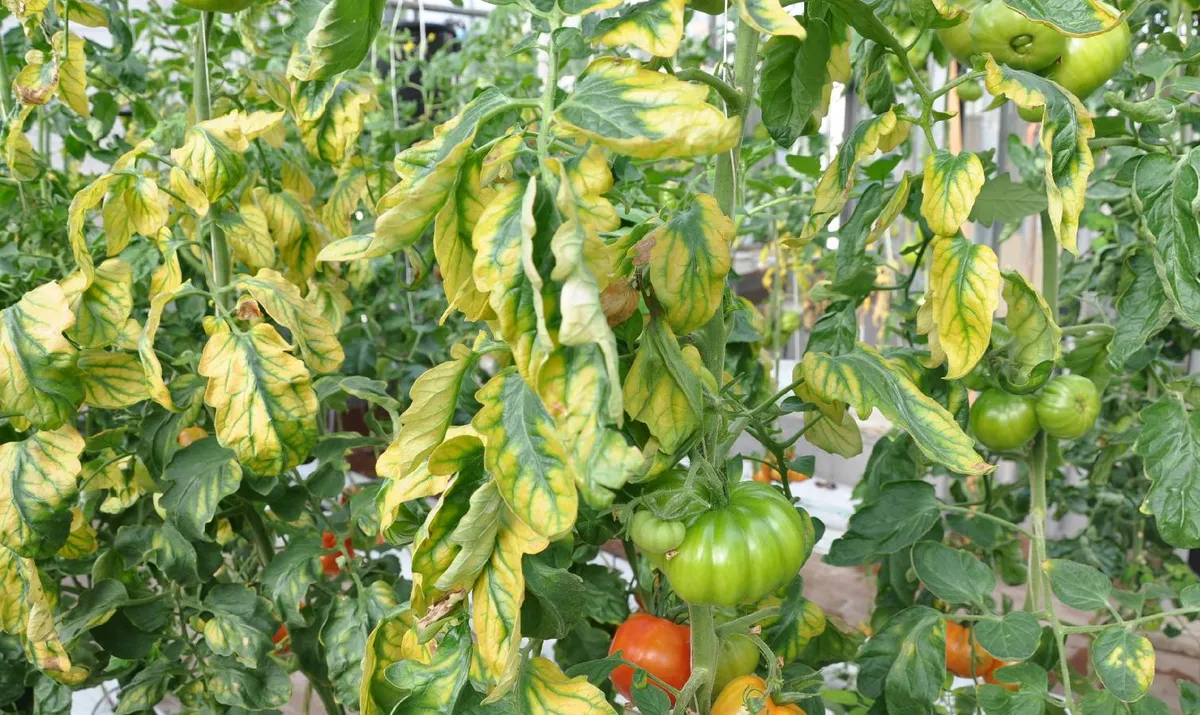
Determinate (bush) tomatoes grow to a set size and stop. They produce one large crop all at once, then mostly stop growing. These are ideal if you want lots of tomatoes in a short window. You can skip pruning these, as they don't need it.
Indeterminate (vining) tomatoes grow continuously throughout the season, producing fruit until frost kills them. Varieties like Beefsteak, Brandywine, and most cherry tomatoes are indeterminate.
These sprawl into massive vines with tons of foliage but relatively little fruit if left unpruned. This is the type you want to prune.
How to prune your tomato plant
1. Remove dead leaves and low growth
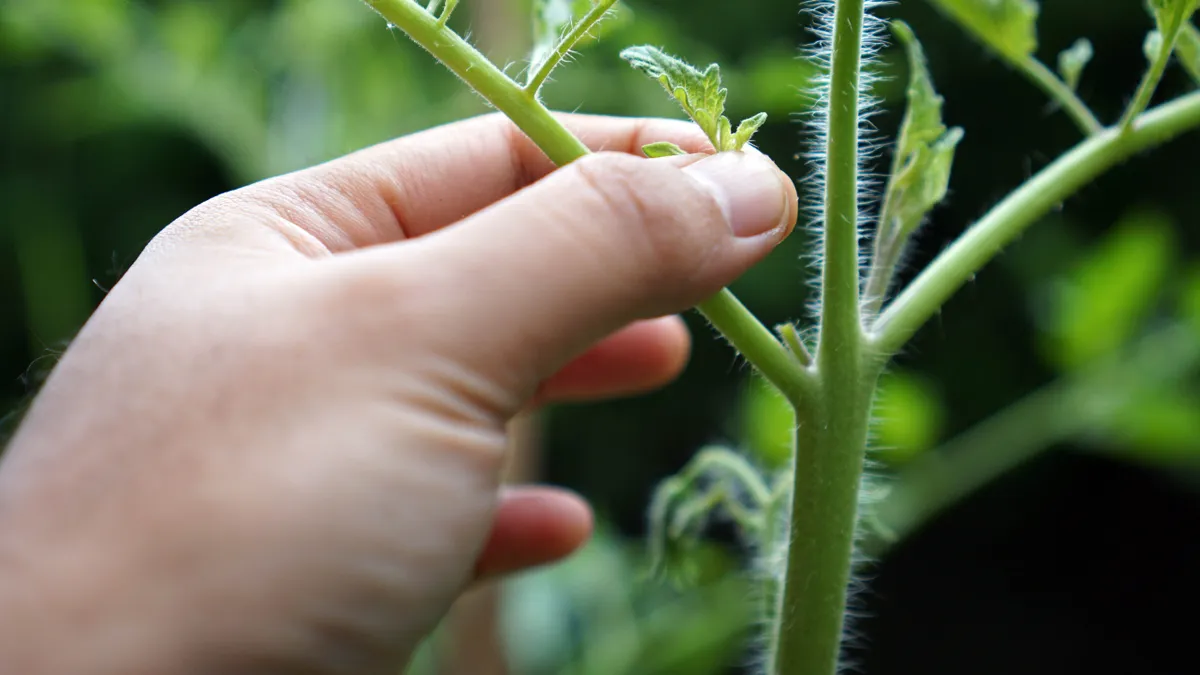
You can start the pruning process when the plant is 12-18 inches tall. Remove any yellowing or dead leaves immediately as these don't contribute to growth and create disease opportunities.
Leaves touching soil get infected with fungi and bacteria that spread upward through the plant, so strip off leaves and stems touching the ground or growing at the base of the plant. Also remove any branches that are low-hanging or touching the ground.
And remember to always wear gloves when pruning tomatoes. The foliage causes allergic reactions in some people, leading to itching, rash, or swelling. It can also leave stubborn green stains on hands and under fingernails.
2. Remove tomato suckers (every couple of weeks)
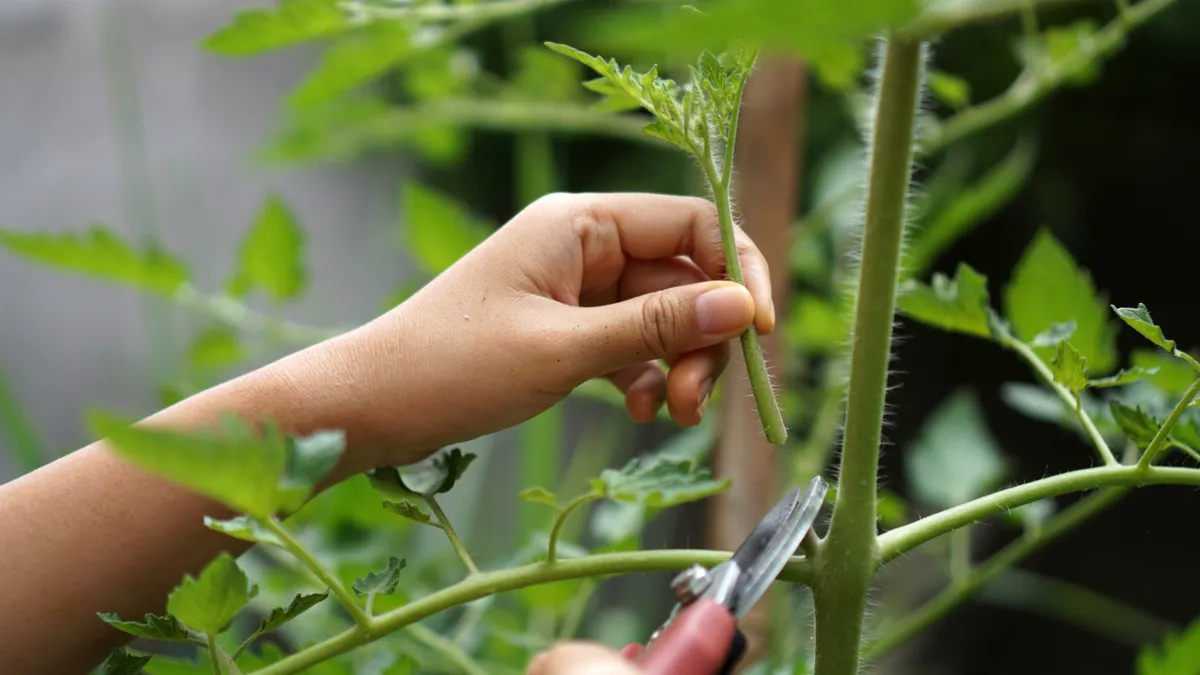
Suckers are the shoots growing in the V-shaped space where branches meet the main stem. Left alone, these become full-sized branches competing with main stems for nutrients. Removing them forces energy toward fruit instead of extra foliage.
Pinch off small suckers under 2 inches with your fingers as this causes minimal stress to the plant. For larger suckers, use pruning shears.
Check plants every couple of weeks during spring and early summer, removing new suckers as they emerge. During peak summer, visit twice weekly since new suckers appear constantly. Staying on top of them prevents a tangled mess requiring severe pruning later.
Always disinfect your pruning shears between plants with rubbing alcohol or a 10% bleach solution. Dirty tools spread disease from plant to plant.
3. Thin foliage and improve air circulation
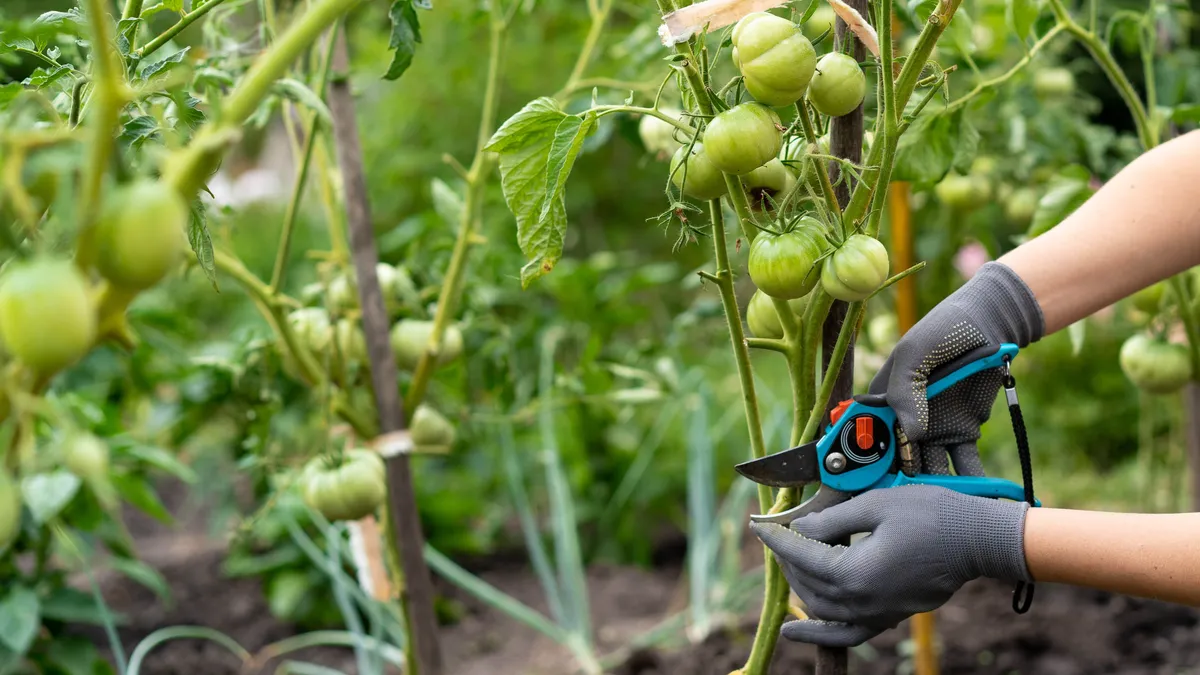
If the plant still looks overgrown and dense after removing suckers, selectively remove some leaves to improve air circulation. Don't strip the plant bare, but create openings so light reaches the center and air flows through the canopy.
Dense foliage traps moisture and creates conditions for fungal diseases. Opening the plant up prevents disease and helps fruit ripen faster.
About four weeks before your first expected frost, do one final pruning called topping. Cut off the growing tip of the main stem to encourage the last batch of tomatoes to ripen before cold arrives. This is your final pruning, stop after this point.
Common mistakes to avoid
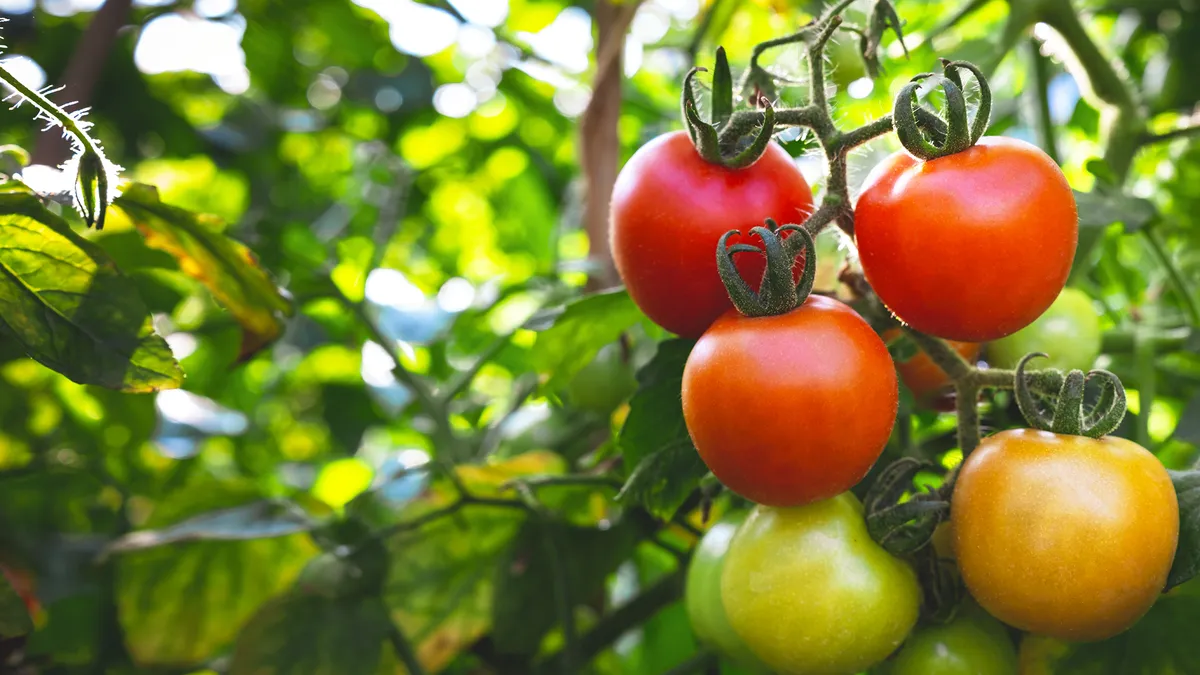
Don't prune wet plants. Wait until early morning on dry days when dew has evaporated. Pruning wet foliage spreads fungal spores and bacteria throughout the plant and increases disease risk significantly.
Don't remove huge amounts of foliage at once trying to catch up. This stresses the plant severely. Instead, visit plants regularly and remove small suckers as they emerge. Waiting too long to remove suckers means the plant wastes energy on unnecessary growth.
Don't prune severely diseased plants — pull and discard them before disease spreads to healthy plants nearby.
Give tomato plants adequate support with a sturdy, tall trellis or tomato cage so they don't become top-heavy and unmanageable. Otherwise, you'll end up needing heavier pruning and losing some of your harvest.

Follow Tom's Guide on Google News and add us as a preferred source to get our up-to-date news, analysis, and reviews in your feeds. Subscribe to Tom's Guide on YouTube and follow us on TikTok.
More from Tom's Guide