Every time a major heatwave hits, the immediate reflex is to sprint to the thermostat and crank the air conditioning. But running your AC on blast is a losing battle if your house is actively fighting against you.
Recently, I audited my own home to track down the overlooked appliances and habits that were actively generating heat, and the impact on my comfort and energy bill was immediate.
It turns out that several everyday habits and overlooked household fixtures are quietly turning our living spaces into saunas. These practical, low-cost strategic adjustments to your sunlight, appliances, and electronics will slash your cooling costs tonight.
1. Sunlight vs glass

Letting natural daylight stream into your home during a heatwave seems innocent, but standard window glass acts like a solar trap.
Between 10 a.m. and 4 p.m., your home experiences heavy solar heat gain as short-wave sunlight passes easily through the glass, warms up your floors and furniture, and converts into long-wave thermal radiation that cannot escape.
To stop your home from turning into a greenhouse, enforce a strict curtain lockdown and close all blinds completely during peak afternoon hours to block this thermal energy before it enters the room.
Once the outdoor temperature drops below your indoor baseline at night, open your windows wide to flush the house with crisp evening air, making sure to shut them tight first thing in the morning to lock in the cool atmosphere.
2. The kitchen space heater

Turning on a traditional oven or stovetop during a heatwave essentially installs a high-powered space heater right in the middle of your living space. A single baking session can spike your kitchen’s ambient temperature by up to five degrees, forcing your AC to work twice as hard to combat the heat your dinner just created.
To keep your kitchen cool, avoid using the oven when outdoor temperatures spike and shift your meal prep entirely to no-cook options or outdoor grilling.
If you must cook indoors, rely strictly on smaller countertop appliances like air fryers and microwaves, because they use a fraction of the wattage and generate significantly less heat.
3. 'Vampire' standby heat

Many homeowners don't realize that electronics like gaming consoles, desktops, TVs, and streaming boxes produce a steady stream of background warmth just by being plugged into the wall. Even when switched off or on standby, this 'phantom energy' converts into ambient heat that slowly warms the room.
To eliminate these hidden heat traps, physically unplug major electronics and unused chargers when they are not actively in use.
Additionally, you should delay running heat-and-moisture-producing appliances like dishwashers and clothes dryers until after 9 p.m. to ensure your cooling system doesn't have to battle extra household humidity during the hottest peak hours of the day.
4. Incandescent heating elements

If you haven't upgraded the older lightbulbs in your lamps or ceiling fixtures, you are literally illuminating your house with tiny, accidental space heaters. A staggering 90% of the electricity consumed by a traditional incandescent bulb is entirely wasted as heat rather than light, warming up the air directly around it.
To stop your light fixtures from working against your cooling efforts, swap out your frequently used incandescent bulbs for energy-efficient LEDs. LED bulbs run entirely cool to the touch, consume up to 80% less energy, and pay for themselves almost immediately on your utility bill while keeping your room temperatures down.
5. A chocked AC filter

When your HVAC air filter is caked in dust, pet dander, and debris, your air conditioner has to strain significantly harder to pull air through the system.
This choked airflow causes the unit to run much longer cooling cycles, which can cause the compressor itself to overheat and radiate warmth back into your utility closet or basement.
Simply purchase a fresh filter and swap it out yourself. Keeping the filter clean restores immediate, unrestricted cold airflow and prevents the system from running up your electricity bill.
6. Invisible cool air drainage
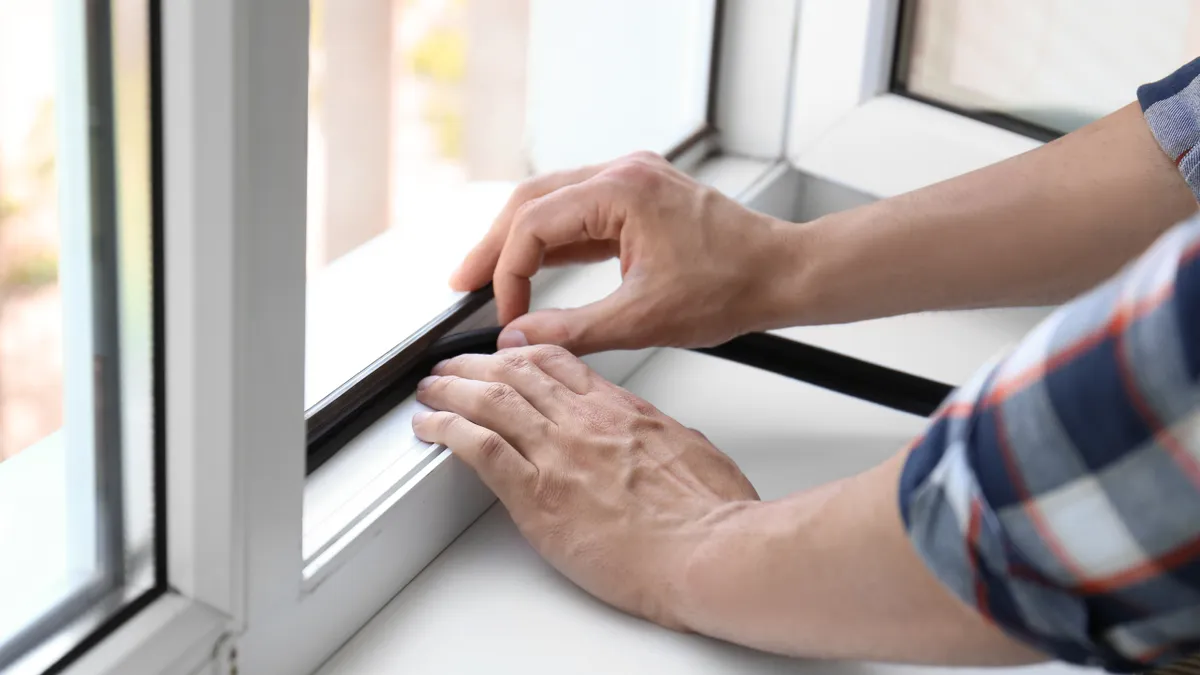
Because cool air is denser than warm air, it naturally sinks to the lowest points of your home, creating higher air pressure near the floor. This pressure difference tends to push the heavy, cooled air out of any low-level gaps, while lighter, hot air drafts seep inside through upper openings.
If your window seals and door frames have degraded over time, this continuous air exchange forces your cooling system to work overtime to replace the escaped air.
To stop this invisible drainage, do a quick walkthrough of your home to feel for drafts or look for light peeking through your exterior door frames. Once you locate the leaks, you can use caulk or apply an affordable roll of adhesive rubber or felt weather stripping to seal the gaps.
7. Sun-baked smart devices
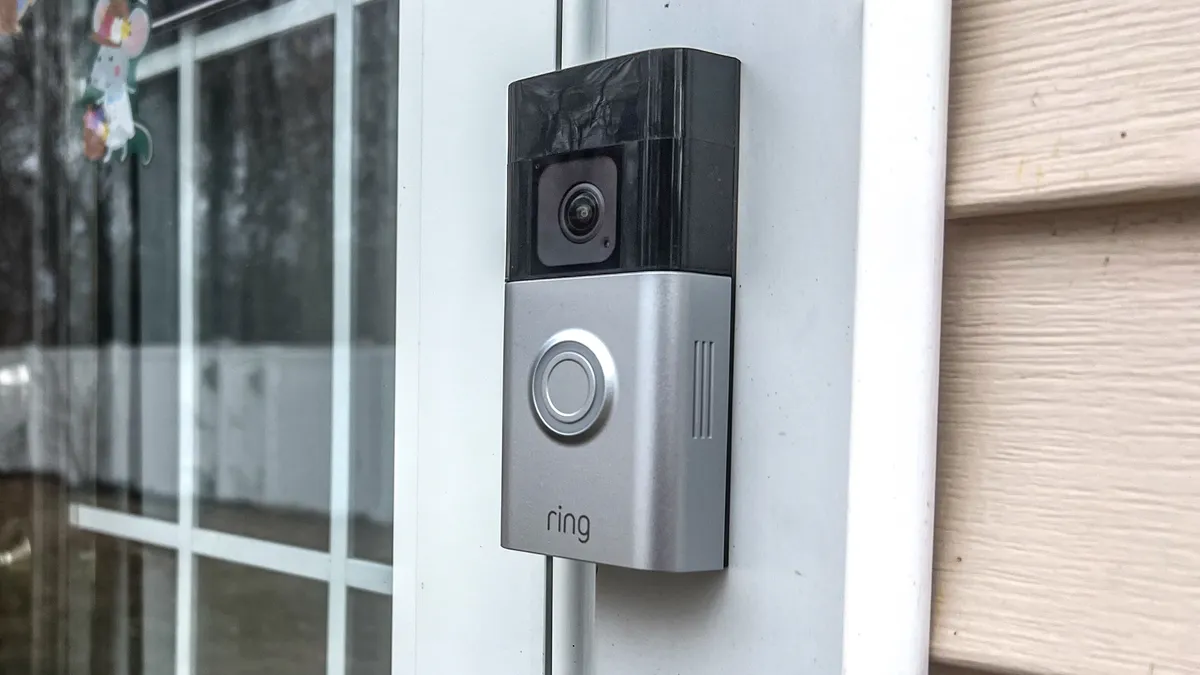
We easily remember to protect ourselves from the sun, but we completely overlook the smart devices bolted to the outside of our homes. Outdoor smart doorbells, security cameras, and automated sensors are packed with lithium-ion batteries that naturally generate internal heat when running.
When you stick them in unshaded afternoon sunlight, you create a thermal trap where the internal hardware literally cooks from the inside out until the unit suffers a black screen or permanent battery degradation.
To protect your smart home investment from heat damage, audit your outdoor tech layout during peak afternoon hours. For any critical hardware stuck baking in the direct rays, install a simple makeshift plastic shade structure or temporarily relocate the device to a shaded area to keep the internal processors cool and functional.

Follow Tom's Guide on Google News and add us as a preferred source to get our up-to-date news, analysis, and reviews in your feeds. You can also visit our dedicated Tom's Guide Savings Squad hub for expert help on getting the best products for less.
More from Tom's Guide