There are games you play, and there are games that take up permanent residence in your brain. For me, Life is Strange is firmly the latter. From the moment I sat down to play, a little over a decade ago, I was absolutely absorbed in the story of Max Caulfield — photography student, reluctant time-traveler, and walking embodiment of anxiety.
I've followed this franchise with an almost embarrassing dedication ever since: every game, the graphic novels, and more than one conversation about temporal paradoxes that went on considerably too long.
Which is why when Life is Strange: Reunion launched on March 26, I expected a moment. A cultural ripple, at least — something to match the quiet but insistent buzz that surrounded the original. Instead, a close friend of mine, someone who has loved this series as long as I have, had no idea the game even existed. No marketing buzz, no discourse, nothing.
That silence says something about where this franchise stands in 2026. Whether Reunion deserved better is another question entirely.
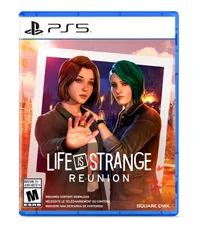
Storm amnesia
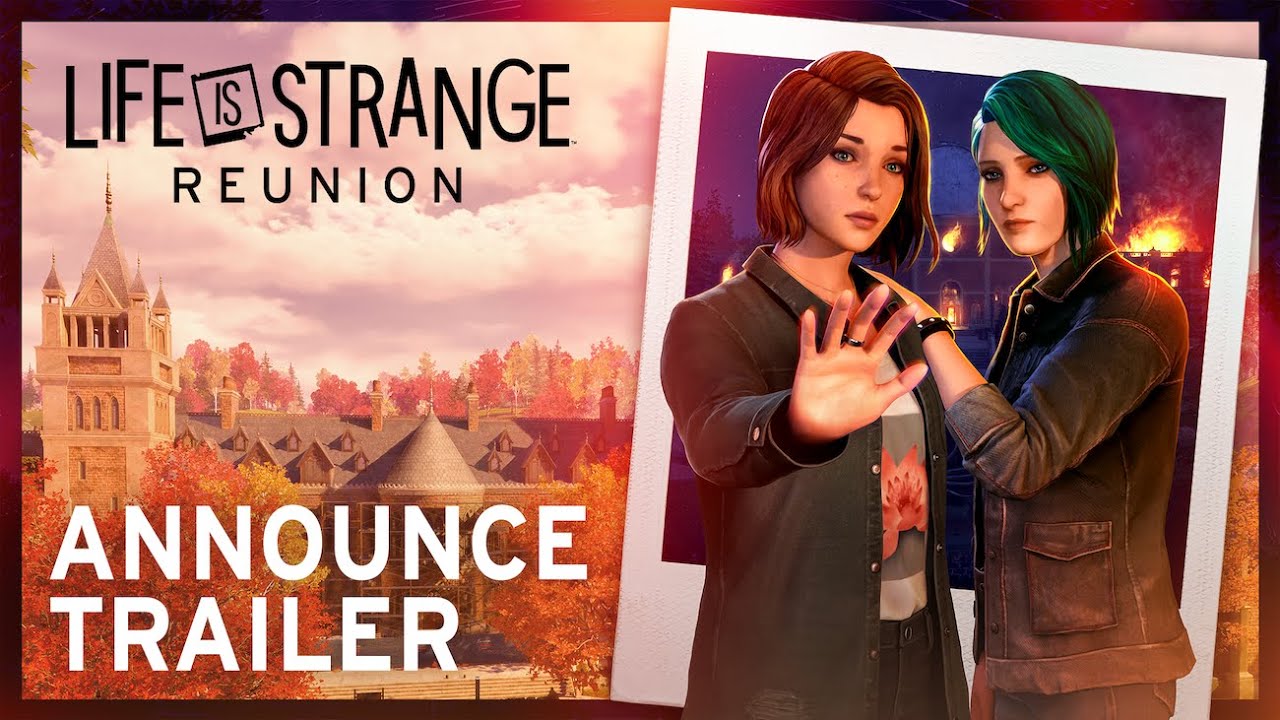
Let's not pretend this game arrived in a vacuum. Life is Strange: Double Exposure divided fans. The critical reception, the online frustration over Chloe's absence, the sense that Deck Nine had fundamentally misunderstood what people loved about this series in the first place, all of it clearly rattled them enough to prompt a fairly spectacular change of tack.
Storm amnesia, the in-universe explanation for the catastrophic events of Double Exposure's finale, has been conveniently forgotten. It is, to put it generously, convenient. Timelines merged, endings retconned, a decade of moral weight dissolved.
Diamond Washington, one of Double Exposure's most compelling characters, is essentially absent until the final act, an absence so conspicuous it borders on insulting. Reunion is, fairly transparently, damage control. The question is whether damage control can also be genuinely good. Here, just about, it can.

What Reunion understands, and what the series has intermittently forgotten since 2015, is that the time mechanics only work when they feel meaningful. The original rewind powers are back, and their return isn't just nostalgic box-ticking. There's something fundamentally more interesting about rewinding time in a contained space than toggling between parallel realities.
The game knows this, and the better sequences are built around it with genuine craft. The music and aesthetic, that specific dreamy, slightly melancholic quality that's always been the series's secret weapon, are doing significant heavy lifting throughout, and largely pull it off.
Then there's Chloe. Older, edges worn down by a decade of life, but recognizably herself. And, crucially, you spend real time playing as her. It's a smart decision, because it lets you see dimensions of her that cutscenes never could: the empathy underneath the bravado, the way she processes things quietly when nobody's watching.

Seeing Max and Chloe carefully, clumsily navigate ten years of unspoken history is the game at its best. It's fan service, yes. But fan service executed with enough care to feel earned rather than cheap.
Where Reunion loses its footing is in everything that exists outside that central relationship. The fire mystery, the ostensible plot engine, feels undercooked. By this point in the franchise, the formula is painfully legible: here is a crisis! Here is Max, she will save everyone! The mystery progresses at a glacial pace before essentially explaining itself to you in a single scene, as if the game got bored of its own investigation.
The cost of course-correcting

And then there's something harder to pin down: with each instalment, I find myself understanding these characters less. Their emotional logic grows increasingly opaque, their reactions harder to track.
I'm genuinely uncertain whether the writing has become lazier or whether I've simply aged out of the specific emotional frequency these games operate on. Possibly both. Either way, the gap between me and the supporting cast feels wider each time, and Reunion does little to close it.
But here's the thing about fan service, when it's done with even a baseline of sincerity: sometimes what fans want is also, simply, the right thing. Original franchise developer Dont Nod caught lightning in a bottle in 2015 and wisely walked away. Deck Nine has spent years trying to recreate that storm, and Reunion, against the odds, briefly makes you forget that it's even trying.

Reunion finally, messily, puts something down. That it took a panic-driven round of damage control to get here is almost beside the point — some endings need a push, and this one, however ungracefully administered, lands.
As much as it pains me to say, Max and Chloe's story should have ended in 2015, before the impossible task of following itself became apparent. It didn't. But if this is genuinely the goodbye, it's a better one than the franchise had any right to expect.
In an industry increasingly terrified of sincerity, Reunion's willingness to simply give people what they wanted feels quite radical. We should probably stop pretending that's a bad thing.

Follow Tom's Guide on Google News and add us as a preferred source to get our up-to-date news, analysis, and reviews in your feeds. Make sure to click the Follow button!