The Steam Deck OLED is arguably the best handheld gaming console for most people due to its ergonomic design, excellent performance, ease of use and compatibility with the best Steam games.
Conversely, we have the Asus ROG Ally X, which is perhaps the best Windows 11 handheld thanks to its zippy performance, long battery life and new design.
With such amazing choices, choosing the best handheld for you could be tricky.
In his Asus ROG Ally X vs Steam Deck OLED article, my UK-based colleague Jason England declared a tie in that particular duel. I’m American, so I don’t believe in ties. In my humble opinion, the Steam Deck OLED is still the winner despite lacking in some areas where the ROG Ally X excels. That said, our own Paul Antill is a big fan of the original Asus ROG Ally and thinks the updated model is better than Valve’s device.
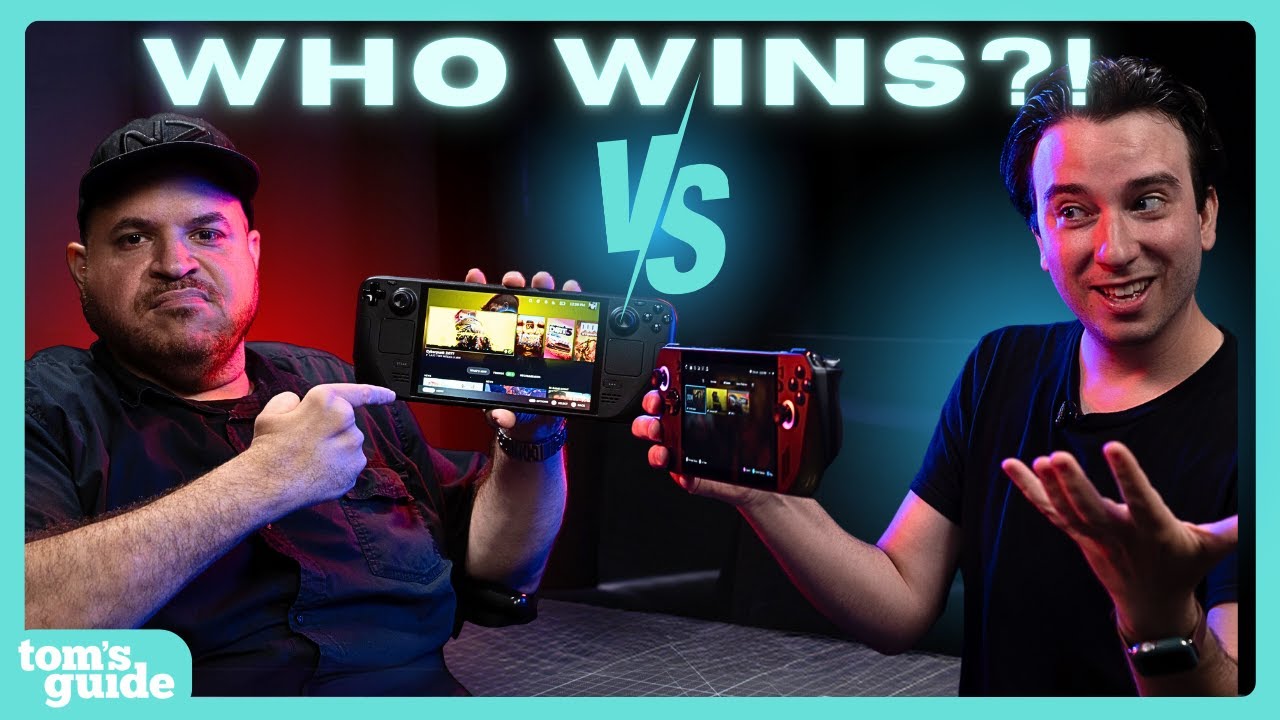
So how do we settle this debate? In our Steam Deck OLED vs Asus ROG Ally X Tech Takedown video, Paul and I got together to discuss the pros and cons of each machine. Admittedly, this is a tricky subject since both handhelds are the best at what they do.
Ultimately, it comes down to what you want from your handheld. Steam Deck has a more intuitive interface and better compatibility with Steam games while the ROG Ally X lets you play the best PC games across multiple launchers. However, the Steam Deck isn’t as powerful as the ROG Ally X, while Windows 11 on Asus’ machine doesn’t always play nice with the handheld form factor. The latter is also more expensive, costing $150 more than the most high-end Steam Deck configuration.
Though I favor the Steam Deck OLED for myself and most people, I can’t knock anyone for going with the Asus ROG Ally X. When compared to the Lenovo Legion Go and MSI Claw, it’s the best Windows 11 handheld and a true Steam Deck competitor. But like I said, the choice comes down to what you’re looking for in a portable device. Hopefully, our Tech Takedown video will help you decide which one to get!
More from Tom's Guide
- Steam Deck OLED vs Steam Deck LCD: Biggest differences
- The idea of a cloud-only Game Pass tier is terrifying
- These retro handheld game consoles are a perfect hit of nostalgia