




Smartphone design is relatively simple to understand. There is a preference for sleek, minimalist designs over clunkier models. The touchscreen is a defining part of that design and it has been since early 2010. The use of touchscreens has become so commonplace that the idea of a physical keyboard is a strange one — but it's one that deserves a comeback.
The concept of bringing the keyboard back to modern smartphones isn’t new. Blackberry tried to make the idea work for most of its designs and even succeeded for a time pre-iPhone. Unfortunately, several decisions over the Blackberry’s lifespan made the phones less appealing. This led to the end of support for those devices in 2022.
The issues that haunted the Blackberry meant that companies like Apple and Samsung were never inclined to include a physical keyboard on their phones, instead relying on on-screen keyboards for input. This is a shame as there are plenty of advantages to having a device with physical keys.
What's good about keyboards
The main draw of a physical keyboard has to do with actual feedback. One of the issues with touchscreens is that there is no physical reaction to pressing the button. The lack of feedback can be harder for older people to work around. There is also an issue with the layout of many touchscreen keyboards. The options are usually hidden behind specific button presses. In contrast, a physical keyboard would make everything clearer for the average user.
Another advantage has to do with the functionality of the phone if it breaks. One issue with full-screen phones is that small cracks in the display can affect functionality, especially if that crack covers a key you need to type. That's not necessarily a problem if you have physical keyboards — a cracked display wouldn't be much fun to use, but you could still type.
Reducing the times when you're tapping the screen means less wear on the display over time. And it makes the thickness of screen protectors less of a concern as they won't block inputs as much.
The trouble with keyboards
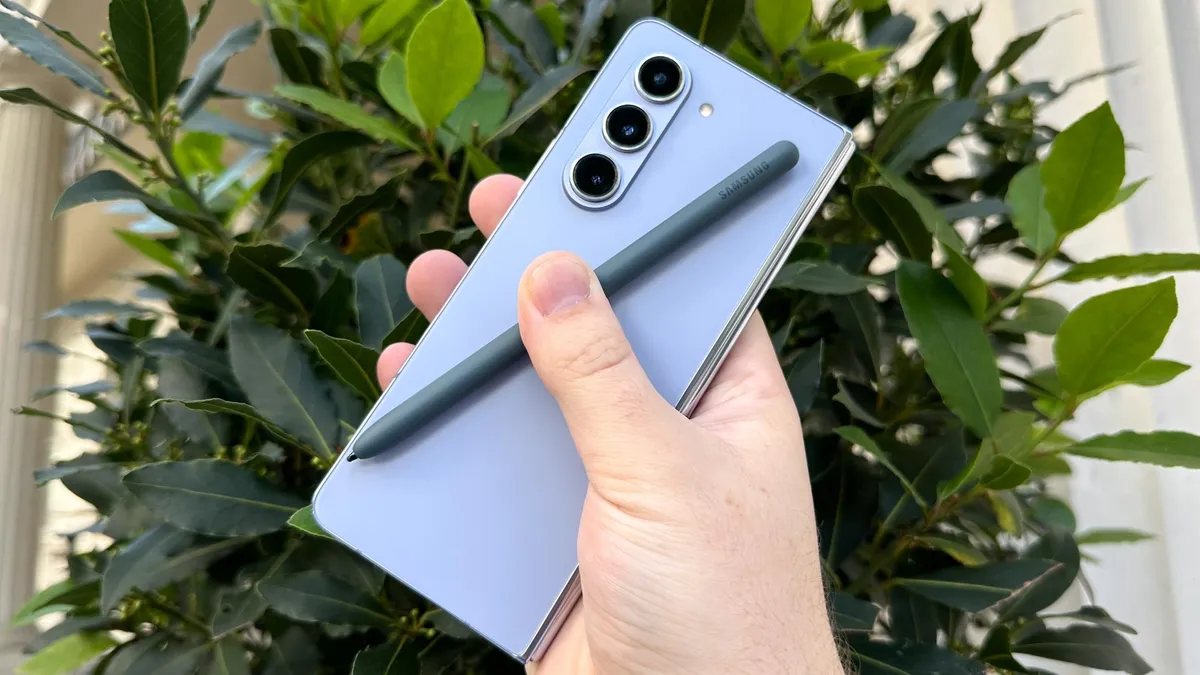
I won't pretend a physical keyboard doesn't introduce issues of its own to phone design. Chiefly, keyboards can make the phone bulkier and, as such, it can be less comfortable to carry around. Making room for a keyboard can also force designers to make a phone bigger or reduce the size of the screen.
Samsung came across a possible solution, by turning to a stylus. That let people write on thier phone screens like they were jotting things down on a notepad. It's an interesting enough idea that Samsung continues to make the S Pen a feature for several models, including the Galaxy S23 Ultra and Galaxy Z Fold 5 (though it's only included with the Ultra and a separate add-on for the Fold).
Aside from the inclusion of a stylus, there is one option that some designers use. One method is to split the phone so that the keyboard is hidden under the screen until it is needed. This design has the dual advantage of making the phone more comfortable to type on as it most resembles a PC. It also means that the phone retains the sleek design that people look for.
I should specify that I don’t hate touchscreens, they’re incredible. The seamless combination of screen and keyboard is one of the marvels of technology. Touchscreens were developed, implemented, and improved over a relatively short time. The truth is that the touchscreen revolutionized the mobile phone market. Yet, despite that, there are times when I miss using something solid.
Most designers now believe that there is no room for keyboards in the modern market. I think there may still be a place for them, even if it is a niche market. What about you?
More from Tom's Guide
- iPhone SE 4 could say goodbye to Touch ID — and that's a good thing
- Samsung Galaxy S24 Ultra specs — here’s what we expect
- iOS 17.2 — 5 biggest new features coming to your iPhone

