Google is making a big push to bring Android to PCs. During this year’s Qualcomm Snapdragon Summit, Google’s Rick Osterloh shared that the company was working on a way to merge Android and ChromeOS (via Android Authority). To make things more interesting, Qualcomm CEO Cristiano Amon said he’s seen the software and is excited.
“In the past, we’ve always had very different systems between what we’re building on PCs and what we’re building on smartphones, and we’ve embarked on a project to combine that,” said Osterloh during the Snapdragon Summit opening keynote. “ We are building together a common technical foundation for our products on PCs and desktop computing systems.”
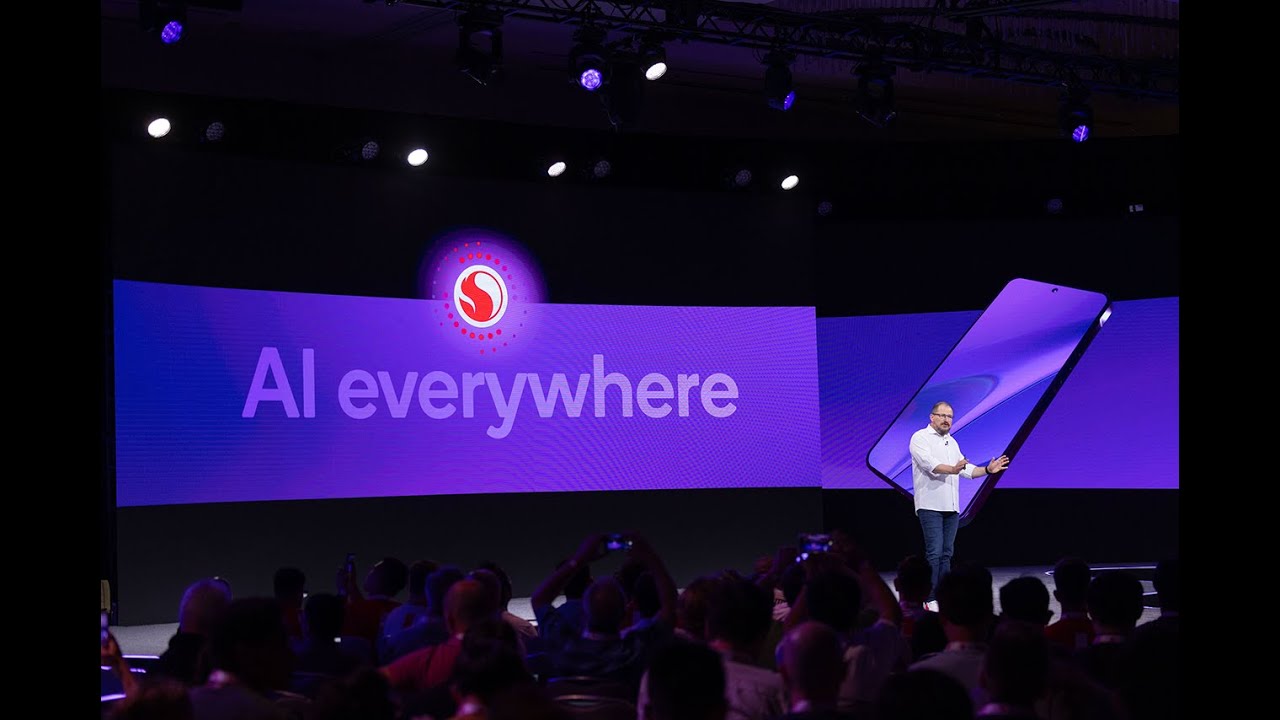
Osterloh then discussed Google’s plans to bring Gemini and the full Android AI stack to PCs. “This is another way we can leverage all of the great work we’re doing together on our AI stack, our full stack, bringing Gemini models, bringing the assistant, bringing all of our applications and developer community into the PC domain,” said Osterloh. “And I think this is another way in which Android is gonna be able to serve everyone in every computing category.”
To that, Cristiano Amon said that he’s seen it and that it “is incredible” and that it “delivers on the vision of convergence of mobile and PC.” Regarding a PC that runs on this platform, the Qualcomm CEO also said he “cannot wait to have one.”
This isn’t the first time there has been discussion about merging Android with Chrome OS. As we've previously reported, Android’s Sameer Samat said that Google was “combining ChromeOS and Android into a single platform.” That statement was made when Google began developing ChromeOS on parts of the Android stack.
Android + Chrome = Windows threat?
We spoke with research firm IDC about the potential for Android on PCs, and it sounds like it could fix one of the biggest problems with Chrome OS.
“From an end-user perspective, Chrome OS’ heavy reliance on the web has always been a point of frustration and has excluded Chrome OS from participating in many countries where internet access is intermittent,” said Jitesh Ubrani, research manager at IDC.
“By combining the two operating systems, Google can hopefully create an operating system that shares the benefits of both Android and Chrome while shedding the parts of each that are less than ideal. It would also help Google create more cohesion between smartphones running Android and PCs running Chrome OS.”
According to IDC, Windows maintains a firm hold on the PC operating system market, with a global share of 79.8% of new PCs in 2025. Meanwhile, ChromeOS accounts for 7.3%. Google has a steep hill to climb if it wants to eat into Microsoft’s PC dominance. However, it can potentially shine in certain segments.

“In the near term, impact would be limited to areas where Chrome OS already shines, i.e., the education segment and the U.S. market,” said Ubrani. “However, long-term, Google has yet another opportunity at convincing average consumers to switch. Younger consumers are already relying on Chrome OS while in school, but when they graduate into the workplace, they often switch to Windows or Mac. The combination of Chrome and Android would potentially help these consumers gravitate towards Google’s platform, though this will take years to accomplish."
Ubrani added that there's an opportunity to lure regular customers, but it will require a lot of marketing, which is something the researcher says Google hasn't always been keen on spending when it comes to hardware. We’ll keep an eye on this story and provide you with the latest developments as we hear them.
Follow Tom's Guide on Google News and add us as a preferred source to get our up-to-date news, analysis, and reviews in your feeds. Make sure to click the Follow button!
More from Tom's Guide
- Qualcomm is ready to have 6G devices "as early as 2028"
- I test the best Android tablets for a living — here's my top 3 picks for 2025
- I review over 200 laptops each year, and these are the best laptops of 2025