Club Benefits





Whether you're frequenting a local studio or getting in a YouTube-led workout at home, if you want to get the most out of your yoga classes, using one of the best yoga mats is absolutely essential.
We've been testing the most popular brands for years, across Yin, hot yoga, and dynamic flows, and even caught up with yoga and Pilates instructor Eloise Skinner for her advice on what to look for when buying the best yoga mats.
Overall, the best yoga mat on the market is Lululemon's The Mat 5mm. It's got great grip, is comfortably plush, and is easy to clean. If you're looking for something more specific, however, we've also included the best yoga mats for things like grip, alignment, and even our top choice for teachers.

The best yoga mat overall

For those who want to take one of the best yoga mats on the go, Lululemon’s The Mat 5mm is extremely versatile. You can roll it up and take it to the park for an outdoor workout, to the studio, or even on a trip.
During testing, I found that the rubber base provided support and decent cushioning, while the polyurethane top absorbed moisture and sweat. Plus, the mat has an antimicrobial additive to prevent mold — a handy addition. You get 5mm of plush cushioning and plenty of beautiful colors to choose from (which is fairly typical for Lululemon), so you can even match your mat to your workout gear.
There are a couple of small things to keep in mind, however. Firstly, I did notice a pretty strong rubber smell while using it. This isn't surprising considering what its base is made of, but it is something to keep in mind, especially if you're sensitive to strong smells.
Additionally, at 5.25 pounds, it is on the heavier side. It's not unwieldy, but if you want a lighter mat, you're better off going for the Manduka PROlite.
Still, The Mat 5mm is an excellent choice for those looking for an everyday mat with a good amount of grip and cushioning.
The best yoga mat for teachers

If you're looking for a lightweight mat that's kind on the planet, the Manduka PROlite may be the best buy for you. It has been voted the number one mat recommended by teachers worldwide and comes in three sizes to suit all kinds of users.
The Manduka mat is designed by yoga teachers, which explains its near-flawless performance. During testing, I found that the mat's 'catch-grip' technology gives the right amount of grip and flexibility to flow between poses.
The mat is made using premium recyclable materials and doesn't feel heavy to carry around, coming in at just 4 pounds — making it the lightest yoga mat on this list.
You should keep in mind, however, that it is worth keeping a towel to hand as the sticky closed-cell top surface won't absorb sweat. Still, this does mean the mat will stay fresher for longer.
Provided that you limit sun exposure, avoid vigorous daily use, and store it in a carry bag, it's one of the most durable mats you'll find. You can rely on its 4.7mm of thickness, too.
The best yoga mat for grip

If you're a hot yoga fan looking for the best mat for you, look no further than the Yogi Bare Paws Extreme Grip Yoga Mat. It will stop you from slipping when a session gets sweaty and even has etched-in alignment markers to help you hit those poses.
This 4mm deluxe mat is biodegradable, vegan-friendly, and made with fully sustainable materials (including 100% recyclable packaging), so it scores high for its environmentally-friendly credentials.
I did have a couple of small issues with it — my number one being that at 5.5 pounds, I found it quite heavy to carry. I also found that it smelled pretty rubbery when I first started using it.
That said, the benefit of this natural rubber and polyurethane blend is that it doesn't shift beneath you and offers plenty of support when used on all kinds of floor surfaces.
Best eco-friendly yoga mat

Jade Harmony self-titles this "Nature's best yoga mat," and it's hard to disagree.
Environmentally-conscious yogis and fitness buffs will rejoice in knowing that the Jade Harmony Mat is sustainably made from rubber sourced from renewable rubber trees.
Jade mats contain no PVC, EVA, or other synthetic rubber. Plus, the company plants a new tree for every mat sold.
All of this is excellent, although it doesn't mean much if the yoga mat itself doesn't perform well during use. There was no risk of that happening here, however. In testing, I found that the material provides a ton of traction and stability, which makes it one of the best yoga mats for sweaty workouts.
Happy customers on Jade's website have praised its durability, too, with one noting that “I’ve had my mat for SEVEN years and I still can’t find a reason to replace it.”
However, one thing to keep in mind is that the rough rubber texture attracts dirt and dust, making it hard to spray down and clean off post-use. Additionally, it's not the most travel-friendly, either. This likely won't matter if you just plan to use it at home, but if you want a more on-the-go yoga mat, consider using Lululemon's The Mat 5mm.
Still, this is a great choice for environmentally-conscious yogis who want a grippy, durable mat.
Best yoga mat for alignment

If you struggle with aligning your poses properly during classes, the Liforme's handy alignment lines on the mat itself are a lifesaver.
It's 4.2mm thick, and at 5.5 pounds, I found that it felt pretty heavy-duty to carry. This is mitigated in part, however, by the fact that it comes with a really handy case with a strap. In my experience, this made travelling with the mat a lot easier.
We love the design, which should help any yogi find better alignment during postures, plus it comes in a range of fun colors — always a fun added bonus.
The grip and plush cushioning are what escalated this mat to our best yoga mats line-up, and with the rubber base, polyurethane top surface, and non-toxic and eco-friendly ink, the mat gets a tick for eco-friendly credentials, too.
Also tested
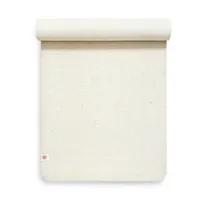
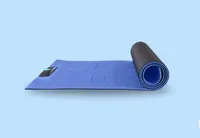
How we test the best yoga mats
Every few months, we'll scour what's out there and note any latest releases from brands, discontinued products, or new yoga mats on the market that we're yet to test and add them to our list.
Our testers are experienced yogis, and we've also consulted a qualified yoga and Pilates instructor to guide you on choosing the best yoga mat for you, including what to avoid and big green ticks to look for.
Where possible, we strive to take these yoga mats into the world, testing them across various classes and locations. Our main testing areas include thickness, grip, size, price, value, sustainability, and how well they travel.
We also like to keep hold of our mats to see how they fare over time, including any scuff marks or damage, and what to do when they've reached the end of their life.
How to choose the best yoga mat for you
When shopping for the best yoga mats, yoga and pilates instructor Eloise Skinner gave us a few pointers to look out for.
"The best yoga mat really depends on what type of practice you're interested in," she says. "For most dynamic forms of yoga, a strong grip will be important, especially for hot yoga, which often requires a specific material designed for a hot studio.
Size
Yoga mats tend to be fairly standard-sized, although you might prefer a smaller mat for travel, or a specific hands-focused mat for handstands and inversion practice."
Thickness
Skinner recommends going plush on your mat for a slower, floor-based practice like Yin or if you're doubling up to use your mat during a Pilates or stretch practice. A slightly thinner mat suits a more dynamic practice or for travel.

Most standard yoga mats are about ¼ inch thick, but you may want a thicker mat (4-6mm) if you require more cushioning for your wrists and knees. If you're a taller yogi and don’t want to go “off mat” while you practice, look for a longer yoga mat.
Again, thinner mats help people ground during inversions or balances, so they are worth considering if you plan to practice a more advanced and dynamic style.

Grip
Will the texture and surface provide grip and traction during your class or workout? The last thing you want is an injury because the mat slipped mid-practice.
Look for mats that are designed to be grippy without the need for a yoga towel if this is important. Cork and rubber tend to resist sweat well, but a grip towel could also be worth purchasing and easily washes in the machine between sessions.

Odor
As for odor and visual appeal, those vary by the mat’s manufacturer. Some of the best yoga mats have an initial unpleasant smell, which can dissipate after cleaning.
Check if your mat is sweat-wicking, which means it shouldn't absorb a lot of sweat, and this may reduce smells over time.
Cost
The best yoga mats come in a wide range of prices, from affordable, sub-$20 options to higher-end, brand-name selections. When it comes to cost, you may want to think about how often and how heavily you’ll use the mat.
If you’re a dedicated yogi or you want to use a mat for HIIT workouts, you may want to splurge for a tougher mat that can hold up under the conditions. Otherwise, an Amazon Basics or similar variety could be worth considering.

FAQ
What is the most eco-friendly yoga mat material?
If making sustainable choices is important to you, you should look into the materials of the mat, how and where it’s made and if it's recyclable.
We've included sustainable options for you to consider, and many company websites will detail how and where the mats are made to help you make more informed choices.
"Mats will often list their materials as part of the packaging, so you should be able to pick out a sustainable or natural option," Skinner agrees.
"Materials like foam or plastic are generally less eco-friendly... depending on the way the product is made. Sustainable materials also often have longer usage, so it's a win-win for your mat investment."
Mats made from natural materials like cork sound like great options, but can still negatively impact the environment, like contributing toward deforestation, for example, so it's no wonder people get confused.
As a general rule of thumb, a truly sustainable yoga mat will be made from recycled or natural materials and will be recyclable or biodegradable.
Many brands now use initiatives to tempt clients, like planting a tree for every mat bought or returned and offering the option to hand your used mat in once it's at life-end.
The Yogi Bare Paws deluxe mat is biodegradable, vegan-friendly and made with sustainable materials, including 100% recyclable packaging.
The Jade Harmony mat in this guide has been self-titled "Nature's best yoga mat," and is made sustainably from rubber sourced from renewable rubber trees. Plus, the company plants a new tree for every mat sold.
What is the best way to clean yoga mats?
Skinner advises you to think about the nature of your practice. "Hot yoga students will need to be cleaning their mat more intensely than a Yin yoga student who uses a blanket over the mat, for example," she explains.
"Mats are best kept clean by wiping down after each session. If you practice in-studio, there will often be wipes or spray provided. At home, you can mix a small amount of soap with warm water and gently wipe down your mat."
Always check the instructions for your specific mat as brands offer varying advice. In general, we recommend using a yoga mat spray or a mix of water and white vinegar for a homemade solution. You could even add essential oils if the manufacturer's guidelines allow.
Every few weeks, give your yoga mat a deeper clean using water and a scrubber. Most yoga mats won't fare well in a washing machine, so we always recommend handwashing unless the brand specifies otherwise.
Here's how to clean your yoga mat properly for more detail.
What is the best thickness for a yoga mat?
We've briefly covered this above. How thick you go will depend on your practice and your body. If you want a thicker mat of 4mm and above, that will provide ample cushioning for your joints but might make you more wobbly during advanced practice. Around 3mm, you'll feel much more connected and stable on the floor.