Google recently renamed its AI chatbot from Bard to Gemini and started rolling it out across its entire product range, including as an alternative to Assistant on Android.
Now it looks like the search giant wants to place Gemini directly into headphones. A code string found by 9to5Google in the beta version of the Google app hints at the expanded availability.
Gemini is also the name of the powerful family of artificial intelligence models that power the new chatbot as well as many other generative AI tools from Google.
While it isn’t clear when the headphone capability might arrive, or even what form it will take, the string of code is an indication Google is serious about capitalizing on the Gemini brand.
What do we know about Gemini in headphones?
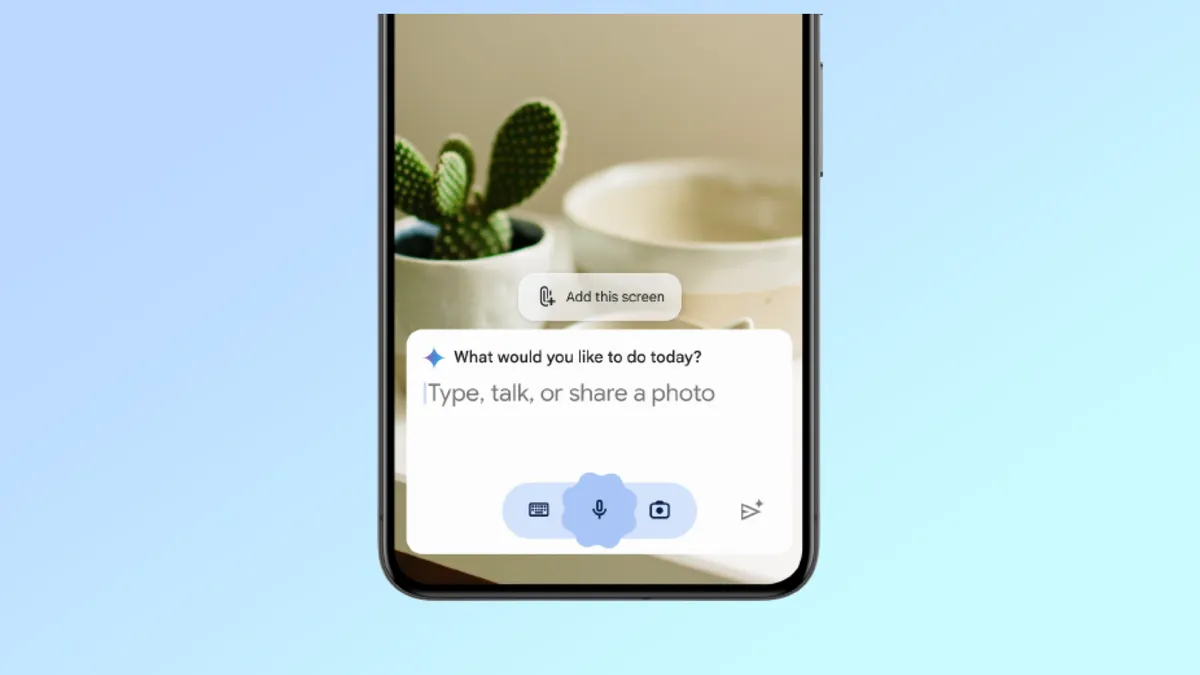
A string within the code of the new beta version of the Google app says: “Gemini mobile app is working on expanding availability to make it accessible on your headphones.”
Currently, even if you have Gemini enabled on your Android phone, using Pixel Buds Pro to trigger the smart assistant will still pull up Google Assistant. This means you don’t get the natural language responses and complex reasoning sills of Gemini.
However, if the code is correct it means that in future current and future devices that have access to Assistant will be able to call on the Gemini app to respond instead.
Does this mean Google is expanding Gemini?
Google has said it plans to focus on Android and iOS for the initial rollout of Gemini, making it available through the Google app on iOS and as an alternative to Assistant on Android.
While audio isn’t the primary focus of the Gemini chatbot, replacing Assistant required a voice interface. Much like ChatGPT Voice it allows you to speak to the assistant and get natural language responses. You can hold a full conversation with the AI as if it were human.
While Gemini has been offered as an opt-in alternative to Assistant on Android, Google has yet to update its smart home, wearable or vehicle tools to utilize the conversational AI.
So this is an indication Google does plan to roll it out more widely and replace Assistant in a wider range of devices, particularly where its more personal and conversational.
More from Tom's Guide
- ChatGPT finally has competition — Google Bard with Gemini just matched it with a huge upgrade
- Google Gemini: Everything we know about the advanced AI model
- I test AI for a living — here’s why Google Gemini is a big deal