If you were hoping to upgrade to the latest flagship Samsung devices without incurring extra cost, then you're sorely out of luck. New reports suggest Samsung could hike the prices of upcoming phones and smartwatches, which means this month's Galaxy Unpacked could be a rather pricey affair.
This news comes from Roland Quandt at WinFuture, who shared EU pricing information for the Galaxy Z Fold 8, Z Fold 8 Ultra, Z Flip 8, Galaxy Watch 9 and Watch Ultra 2. According to Quandt, we're looking at a price increase of at least €100 for the foldable phones, while watches are set to increase by €30 to €50.
Samsung Galaxy Z Fold 8 price hikes: What you may have to pay
| Row 0 - Cell 0 | New Price |
Old Price |
Difference |
Samsung Galaxy Z Fold 8 Ultra (256GB) |
€2,199 |
€1,999 |
€100 |
Samsung Galaxy Z Fold 8 Ultra (512GB) |
€2,399 |
€2,219 |
€180 |
Samsung Galaxy Z Fold 8 Ultra (1TB) |
€2,799 |
€2,519 |
€280 |
Samsung Galaxy Z Flip 8 (256GB) |
€1,299 |
€1,199 |
€100 |
Samsung Galaxy Z Flip 8 (512GB) |
€1499 |
€1,319 |
€1 |
Quandt reports that the Galaxy Z Fold 8 Ultra is set to cost €2,199 for a model with 256GB of storage — a €100 price increase from its predecessor, the Galaxy Z Fold 7. However, it seems the more storage you opt for, the more the price is going to increase. The 512GB model is expected to cost €2,399, which is a €180 price increase, while the 1TB model is reportedly going to cost €2,799. That's a €280 price increase.
The Galaxy Z Flip 8 is expected to undergo the same price increases, with the 256GB model costing €1,299, while the 512GB model is expected to cost €1,499. Those represent €100 and €180 price increases, respectively.
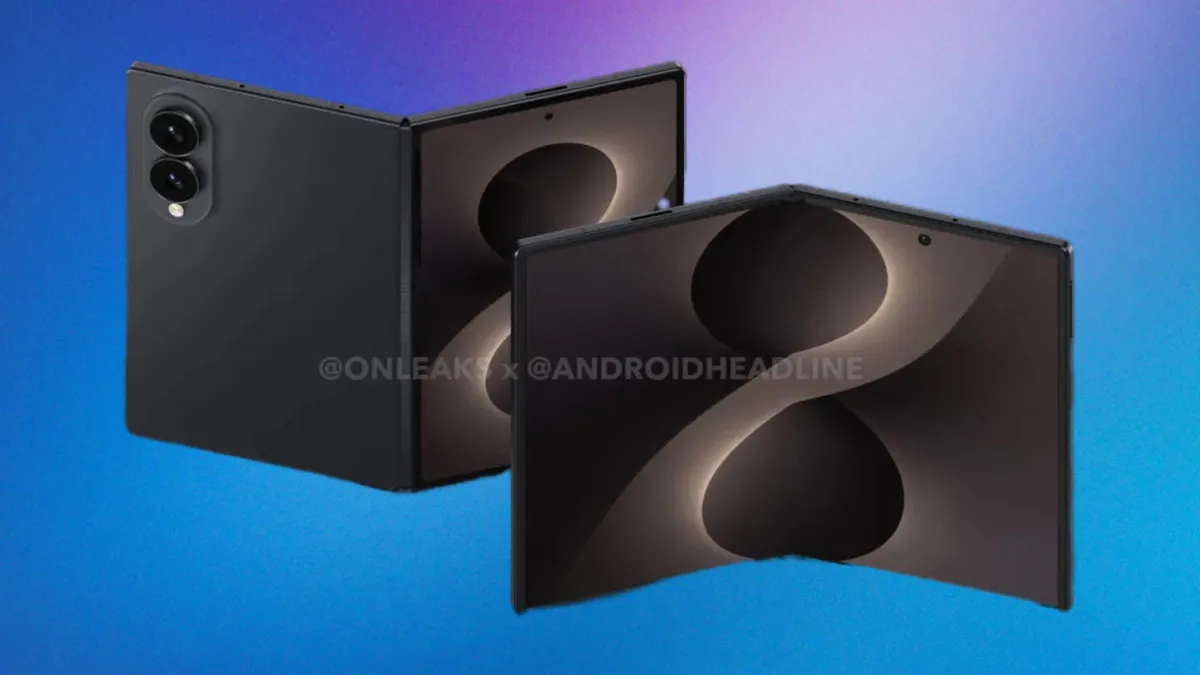
The new wider Galaxy Z Fold 8 model will supposedly rock in at €1,999 for a 256GB model, which is the same price as the 256GB Galaxy Z Fold 7. However, since the phone is expected to come with some compromises — the least of which are two rear cameras instead of three — that means you're likely receiving less for that money.
While we don't know how these price hikes might translate to U.S. dollars, Samsung products typically go for a €1 to $1 conversion. Which means the U.S. models could end up costing anything from $100 to $280 more. That's assuming Quandt's reporting (and my own assumptions) ring true.
Galaxy Watch 9 and Ultra 2: More rumored price hikes

| Row 0 - Cell 0 | New Price |
Old Price |
Difference |
Galaxy Watch 9 (BT /40mm) |
€409 |
€359 |
€50 |
Galaxy Watch 9 (LTE /40mm) |
€459 |
€409 |
€50 |
Galaxy Watch 9 (BT /44mm) |
€439 |
€409 |
€30 |
Galaxy Watch 9 (LTE /44mm) |
€489 |
€459 |
€30 |
Galaxy Watch Ultra 2 |
€749 |
€699 |
€50 |
Sadly, smartwatches are also reportedly increasing in price, with the Galaxy Watch 9 starting at €409 for a 40mm, Bluetooth-only model. Upgrade the connectivity to LTE and you will apparently have to pay €459, which would be respective price hikes of €40 and €50.
Meanwhile, the 44mm models are expected to get €30 price hikes for the Bluetooth and LTE models — which translates to new prices of €439 and €489. As for the Galaxy Watch Ultra 2, Quandt claims that the new price will be €749, which is a €50 price increase compared to the original Galaxy Watch Ultra smartwatch.
Those price increases aren't quite as extreme as the phones, but it still sounds like you're going to have to pay a lot more for the next generation of Galaxy wearables.
Why are there so many price increases?

The issue in the phone industry right now is that the cost of making these devices has shot up to unprecedented levels. The overall cost of production has been on the rise for a while, but with AI eating up so much of the RAM and storage supplies, phone companies are being forced to pay significantly more for basic hardware.
The prices have risen by so much that phone companies aren't able to insulate users and still make money. This means those increased costs are passed onto us, and the price tags on the latest and best phones rise by another order of magnitude.
The recent push towards adding AI features on phones makes this problem worse, since on-device artificial intelligence is reliant on having a readily available supply of memory and computing power. While cloud computing could make up for some of the windfall, those features come with brief transmission delays and have to run on external hardware — which has obvious privacy risks.
In other words, downgrading the hardware to cut costs is only going to downgrade the user experience. Not to mention the fact that AI-processing servers need to be paid for somehow. Phone companies aren't going to offer access out of the kindness of their own hearts.
Obviously we don't know how accurate Quandt's information about EU price hikes is, or how they might translate to the U.S. market. But it makes sense that Samsung would increase the prices, especially since it's now offering an "Ultra" Galaxy Foldable.
Still, we'll have to just wait for Galaxy Unpacked, which is rumored to be happening on July 22, to find out for sure.

Follow Tom's Guide on Google News and add us as a preferred source to get our up-to-date news, analysis, and reviews in your feeds.
More from Tom's Guide