Hidden cameras in accommodations have become a growing concern for travelers worldwide, with surveillance devices discovered in hotels, vacation rentals, and hostels across the globe. Despite laws and platform policies banning indoor cameras, unauthorized recording devices remain a concern.
The chances of encountering a hidden camera are relatively low, but taking a few minutes to check your room provides valuable peace of mind. While spy cameras can be incredibly small and high-tech, the hidden cameras actually used in hotels and rentals are usually much easier to spot if you know what to look for.
A quick security sweep should become as routine as checking the Wi-Fi password or locating emergency exits. Here's how to protect your privacy and give yourself peace of mind during your stay.
1. Start with the most common hiding spots
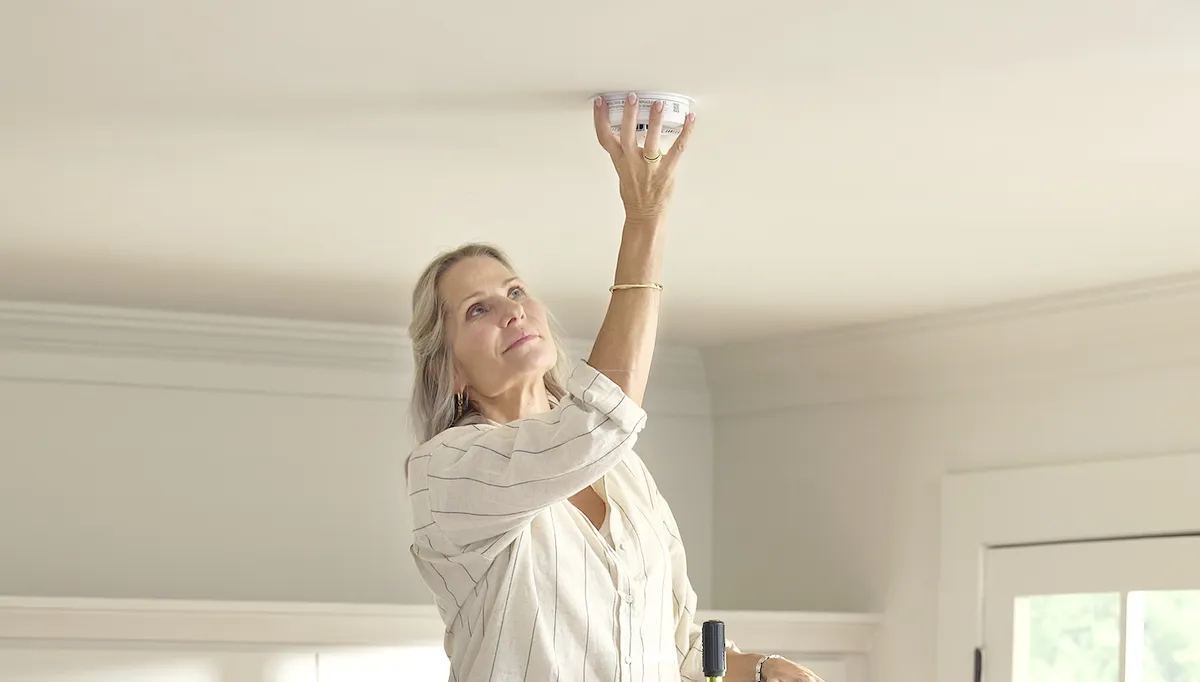
Security experts consistently identify smoke detectors as the most popular location for hidden cameras in accommodation. Check ceiling-mounted smoke detectors for unusual openings that could conceal lenses, odd shapes that don't match standard detectors, or extra indicator lights that seem out of place.
Examine each corner of the room, particularly around ceiling coving or wall joints where passive infrared (PIR) sensors might be installed. These motion sensors are commonly used for security alarms or automatic lighting but can house cameras.
Look for devices mounted on angled brackets that would provide good room coverage, and watch for red lights that flash when you move past them.
2. Perform a comprehensive visual inspection

Scan the entire room for items that seem out of place or positioned unusually. Pay attention to furniture angled in specific ways, electronics with unusually small holes, or devices that seem odd for a hotel or rental property. Random USB chargers left plugged in are particularly suspicious, as hotels typically don't leave these items behind.
Check common hiding spots including air purifiers, light bulbs, TV boxes, routers, alarm clocks, mirrors, books, and decorative items. Look for tiny holes in everyday objects or unusual reflections that might indicate a lens.
Always trust your instincts — if something feels off about an item's placement or appearance, investigate further.
3. Use your smartphone as a detection tool

Turn off the main room lights and activate your phone or smart watch's flashlight function. Next, slowly sweep the light around the room, paying particular attention to suspicious areas you identified during your visual inspection.
Camera lenses reflect light even when very small, so watch for unusual glints or reflections that could indicate hidden surveillance equipment. Download a network scanning app like Fing, which shows devices connected to the local WiFi network. Look for devices with names like camera or other suspicious identifiers.
Keep in mind that some cameras might operate on separate networks, so this method isn't foolproof but can reveal obvious surveillance equipment.
4. Consider detection equipment

For frequent travelers or those with heightened security concerns, portable camera detectors offer additional peace of mind. Devices like lens detectors use infrared technology to identify the invisible light emitted by certain cameras. These gadgets are roughly the size of walkie-talkies and can scan for hidden surveillance equipment.
However, these detectors aren't perfect solutions. They may require close proximity to cameras to work effectively and can produce false positives from other electronic devices. They're most useful as part of a comprehensive checking routine rather than standalone detection methods.
5. What to do if you find something suspicious

If you discover a device that seems suspicious, avoid touching or disabling it immediately. Take photos of the item and its location for evidence. For questionable electronics, simply unplugging them is often the safest initial response, but never disable smoke detectors as this creates fire safety risks and potential property damage.
Contact hotel management immediately if you're in a hotel, or the property owner if you're in an airbnb. Request a room change or consider checking out entirely if the situation isn't resolved satisfactorily. If you're in a remote location where leaving isn't possible, use tape, gum, or putty to temporarilly cover suspected camera lenses.
Document everything with photos and report the incident to local authorities when you have the opportunity. For Airbnb properties, also report the violation to the platform, as indoor surveillance violates their terms of service and could result in the property being removed from their listings.
Prevention and peace of mind
Remember that the vast majority of accommodations are legitimate and respect guest privacy. These checking techniques take only a few minutes but provide significant peace of mind, especially in an era where privacy concerns are increasingly valid.
Make camera checking part of your standard arrival routine, just like testing the tap or locating the bathroom. A quick sweep helps you relax and enjoy your stay knowing you've taken reasonable precautions to protect your privacy.
More from Tom's Guide
- 7 smart home gadgets that watch your house for you
- The best smart locks in 2025
- I tried a physical panic button for 48 hours — and I already feel safer