Hardier than lavender — Suitable for USDA hardiness zone 3
Long flowering season — Enjoy blooms from early spring to early fall
Easy to prune — No chance of turning woody
I’ve always had a soft spot for cottage-style gardens. Their romantic charm, informal structure, and lush, overlapping plants get me every time — a look I’m constantly trying to replicate in my own yard (with varying degrees of success!).
If I had to pick one plant that captures that timeless cottage vibe, it would be lavender. You’ll spot it everywhere, from edging sunny borders to spilling over decorative pots.
With its unmistakable mass of fragrant purple blooms and silver-grey foliage, lavender may not have the show-stopping drama of a garden rose, but it’s a subtle beauty with an irresistible scent, making it an indispensable favorite that’s also loved by pollinators.
However, despite all of these qualities, this almost perfect plant has one major drawback — it tends to go woody after a couple of years. Instead of a lush shrub, it can start to look bedraggled and ruin the aesthetic you’re trying to achieve.
But my head has been turned by an alternative. Nepata, more commonly known as catmint, has the same qualities as lavender, but it doesn’t succumb to a woody end. What’s more, if you thought lavender was easy to care for, nepata is even easier, and it flowers for longer, too.
The problem with lavender

There’s no denying that lavender has a part to play in our gardens, and as Victor Castro, owner of the Nursery Project USA on behalf of Palmstreet, says, “Growing lavender adds a beautiful pop of purple to any yard, and it is also a smart choice to support pollinators.”
And although it is relatively easy to grow and survives well in a dry climate, it does have a few problems.
“Lavender can almost thrive with some neglect, but if you don’t make sure to prune it every year, it will become woody faster, losing its pretty color,” says Castro.
Pruning lavender with a clean and sharp pair of the best pruning shears is the easiest way to prevent it from becoming woody and will improve its blooms and quality of life.
“All you need to do is cut the stems back by about a third, and this encourages fresh growth with lots of fragrant blooms each year,” Castro tells me.
If you fail to prune your lavender, or prune it incorrectly, you can end up with a woody plant that looks unattractive.

Apart from pruning it wrong, too much water is an issue. “Growing lavender plants can be tricky as they are likely to suffer from root rot if overwatered and if their soil drainage is poor.”
To overcome these issues, he suggests planting lavender hedges and shrubs in full sun and well-drained soil. I enjoy growing lavender directly in the ground and in pots, but I’m extra careful when watering lavender in containers. I always ensure that I’ve placed crocks in the bottom of my pots to aid drainage, and I don’t water too much or too often.
Why nepeta makes a good alternative to lavender

If you were casually strolling along a pathway planted with nepeta, without close inspection, you’d probably assume it was lavender. The plants share the same purple blooms and airy habitat, which is why the two can often be confused.
“Its lavender-blue colored flowers look similar and give off an aromatic scent with soft, gray-green foliage on thin, arching stems typically ending with blue or violet flowers,” says Castro.
It’s a similar scenario to how hydrangeas can be replaced with viburnum, giving the same beautiful aesthetic, but with added fragrance.
So, why choose nepeta over lavender? I never think of lavender as being difficult to grow, but Castro says nepeta is easier, as it withstands difficult weather.
“It can thrive even with neglect in any well-drained soil in full sun or partial shade,” and he adds that it’s an easier choice over lavender because it can often thrive in areas where lavender struggles.
It’s also quicker to bloom and lasts for longer, starting in early spring and lasting all the way through to early fall. Lavender, by contrast, doesn’t typically start until late spring and finishes in mid-summer. And although lavender gives off a pleasant aroma, Castro says nepeta is also fragrant: “Its light scent is often described as a mix between spearmint and lavender.”
Not surprisingly, it’s part of the mint family, which makes it edible.
Lavender is often planted in wildflower gardens to attract pollinators, but nepeta offers a rich source of nectar too. Castro says honeybees, hummingbirds, bumblebees and butterflies will all flock to the food that’s easily accessible from the open, tube-shaped flowers.
How to care for nepeta
Allow the top inch or so of soil to dry out between waterings, and water deeply but infrequently to encourage the development of deep roots
Victor Castro, owner of The Nursery Project USA
“Nepeta is a wonderful choice over lavender because it’s super easy to grow, adapts well to many well-draining soils and thrives in full sun, with partial shade,” says Castro.
Once established, nepeta is drought-tolerant and prefers slightly dry conditions over too much moisture in soil.
“Allow the top inch or so of soil to dry out between waterings, and water deeply but infrequently to encourage the development of deep roots,” says Castro
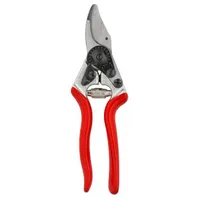
Regular pruning and deadheading are essential to keeping nepeta happy. “Once flowers start to appear, usually in late spring to early summer, consider cutting the plant by about a third of its height. This encourages fresh growth and often leads to a second bloom later in the season,” says Castro.
Overall, nepeta is very forgiving, and it will also survive harsh winters right down to USDA hardiness zone 3. So, if you're struggling with woody lavender, nepeta could be a good swap.

Follow Tom's Guide on Google News and add us as a preferred source to get our up-to-date news, analysis, and reviews in your feeds.
More from Tom's Guide