




Choosing the best electric toothbrush comes down to more than its vibrations and how well it rotates, as the right model should suit your brushing habits, sensitivity and, most importantly, your budget. From simple, effective brushes for everyday cleaning to smart models with pressure sensors and app-based guidance, the strongest brushes make it easier to stick to your oral-care routine.
We here at Tom's Guide have done the testing to see which electric toothbrushes actually make a difference to your teeth. After all, pearly whites make for a brighter smile! In this guide, we cover electric toothbrushes for different priorities and lifestyles. Whether you’re looking for something lightweight and travel-friendly, a powerful option for deep cleaning, or a model with smart features, there’s something here to suit you.
The Suri 2.0 is our top choice as the best electric toothbrush for most, with its amazing performance and recyclable brush heads. But there are other options you'll want to consider. We've cut through the marketing fluff to focus on what actually matters: performance, durability, and value. Here are the electric toothbrushes that genuinely deserve a place in your bathroom.
The best electric toothbrushes right now
Why you can trust Tom's Guide Our writers and editors spend hours analyzing and reviewing products, services, and apps to help find what's best for you. Find out more about how we test, analyze, and rate.
Best electric toothbrush overall


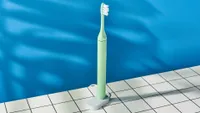
The Suri 2.0 takes everything that made its predecessor exceptional and addresses the gaps. This updated B-Corp-certified brush maintains the brand's commitment to sustainability while introducing features that make it a more complete package.
The standout addition is the pressure sensor: two pulses and gentle vibration reduction when you're brushing too hard, rather than jarring beeps and flashing lights. The charging base has been redesigned for stability, eliminating the tipping issue that plagued the original.
Perhaps the most impressive upgrade is the UV travel case. Unlike the original's case that required constant plugging in, this version cleans your brush head with UV light while simultaneously charging. The 40-day battery life means you'll rarely need to charge it anyway, outlasting most competitors by weeks.
At 33,000 strokes per minute with a wider motor sweep, cleaning performance remains excellent. The aluminum body and plant-based recyclable heads prove premium performance doesn't require plastic. Brush head replacements include prepaid return labels, and the repair program means this could genuinely be your final toothbrush purchase.
While it sits around $10 more than the original, the added features make it the smarter investment.
- Read our full Suri 2.0 electric toothbrush review
Best value electric toothbrush


While we wouldn't call it a budget option exactly, considering there are more affordable electric toothbrushes out there, the Suri Core 1.0 still earns its place as the best value electric toothbrush by pairing a reliable four-week battery life with the company's sustainable, corn-based brush heads. In our testing, this kept running for exactly four weeks and one day before needing a recharge, which is a standout figure at this price, and the recyclable heads mean replacement costs and waste stay low over the long haul.
When it comes to cleaning power, the Core 1.0’s 28,000 vibrations per minute motor delivers solid performance, which is nearly on par with the more expensive Suri Pro line (at 33,000). Our reviewer, Erin, didn’t notice a difference in results compared to their daily-use premium brush, so don't expect to trade away effectiveness for a lower price.
Materials used are also a big highlight, since the body is made from bio-circular recycled plastic. While it’s still mostly plastic (we wish it were plastic-free), the recyclable head design makes it a less wasteful option than most big-name rivals, helping you keep costs down and shrink your environmental footprint.
Comfort-wise, you get a basic pressure sensor that’s meant to keep your gums safe, but in practice, our tester found it only triggered a couple of times. Possibly a sign of gentle brushing technique, or perhaps the sensor isn’t the most sensitive. Either way, it’s simple and unobtrusive, which will suit anyone who prefers just the essentials over smart bells and whistles.
Still, the Suri Core 1.0 is ideal if you want a no-fuss, sustainable brush that cleans well and keeps bills low. As a dependable daily tool, it hits the value sweet spot.
- Read our full Suri Core 1.0 electric toothbrush review
Best electric toothbrush for sensitive teeth

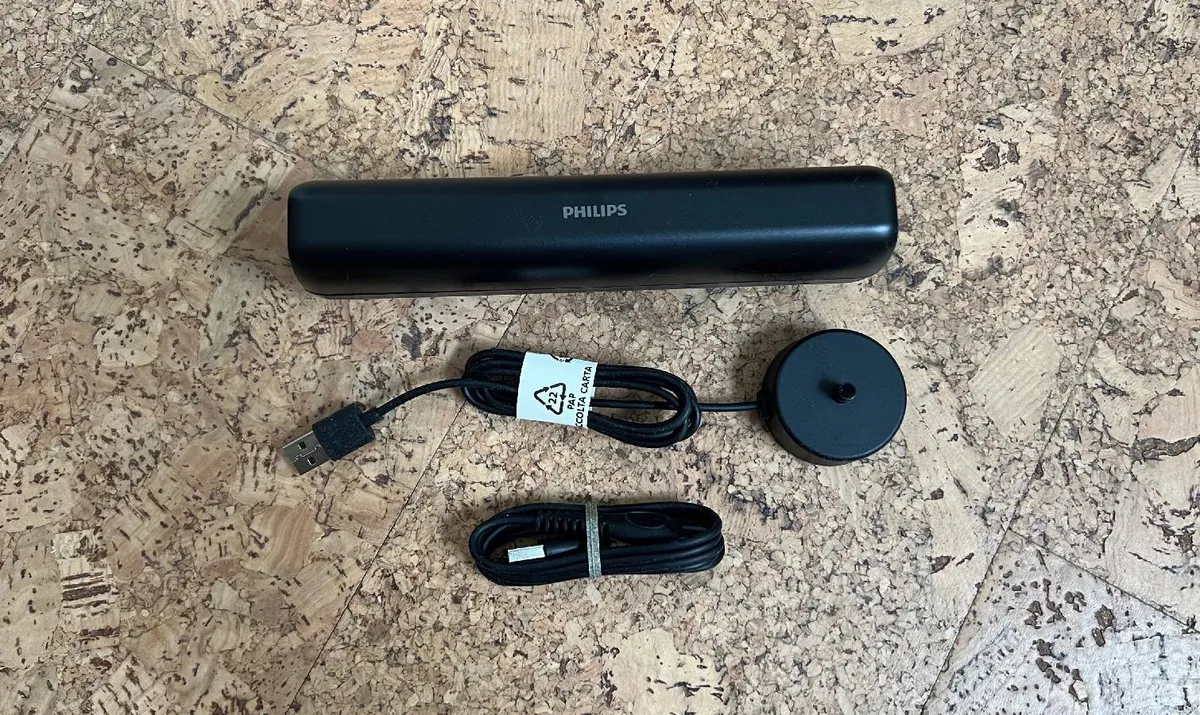
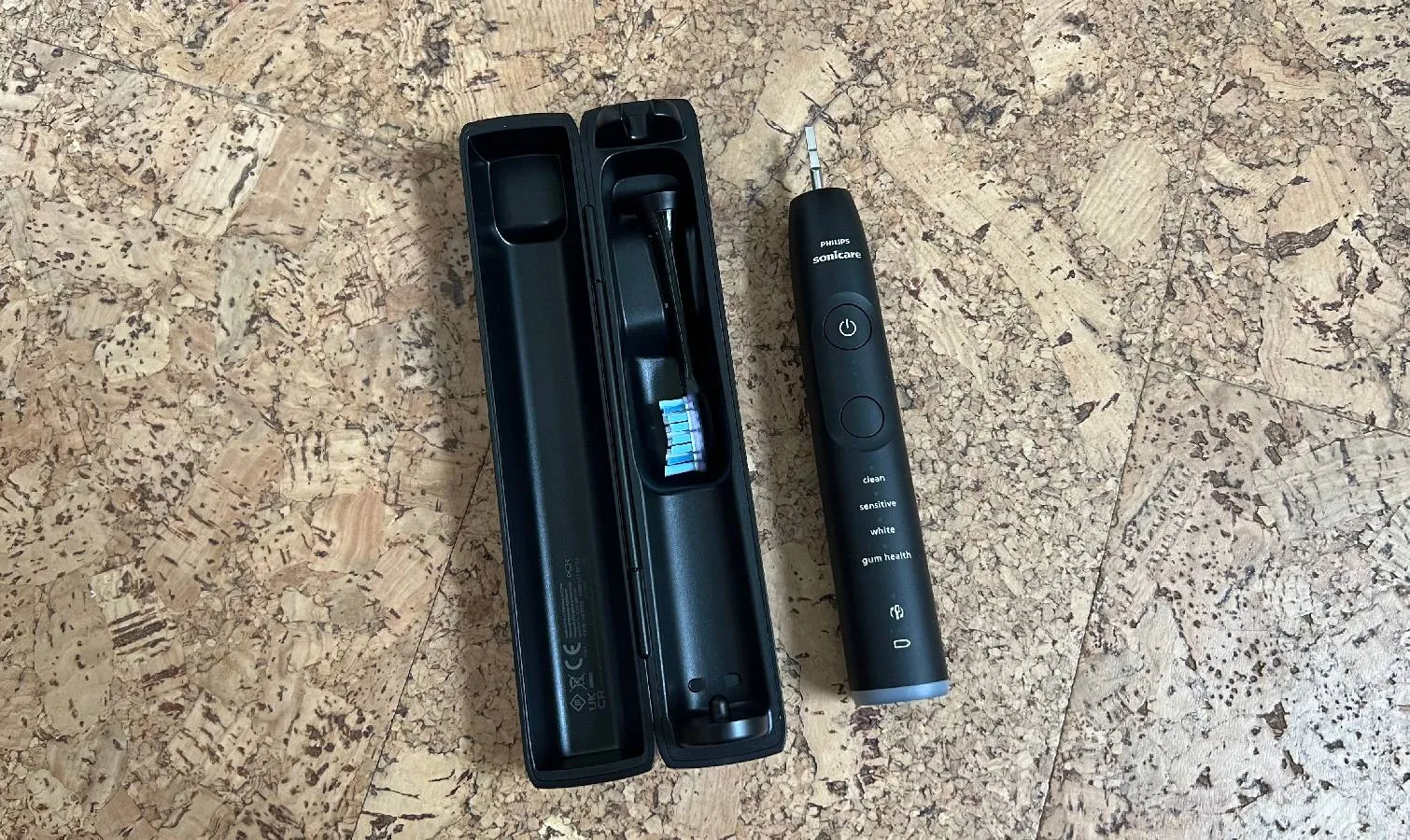

The Philips Sonicare 7100 stands out as the electric toothbrush that actually delivers on the promise of smarter brushing — its app provides live guidance, real-time feedback on technique, and even auto-orders replacement heads when it knows you’re due. This is a brush designed to do more than log your stats: in our hands-on tests, the app’s brushing tracker and pressure monitoring quickly highlighted bad habits we’d never noticed (turns out, our tester had been brushing for barely a minute, not two). With four cleaning modes — including a sensitive option and three intensity settings — the brush adapts to your mouth, while the 4.4 ounce weight and ergonomic handle make daily use feel reassuringly straightforward.
What transforms the Sonicare 7100 from a souped-up gadget into a daily essential is the way its app feedback translates into real improvement. Our tester found themself genuinely obsessed with chasing better brushing scores, discovering missed zones and timing slip-ups they’d never catch unaided. The brush head design and multiple modes mean you get a tailored clean, regardless of tooth sensitivity or gum health, and the pressure sensor’s purple flash is a literal wake-up call if you’re pressing too hard. The pressure sensor isn’t just a gimmick: it caught overzealous brushing in our tests and could be a real asset if you’re prone to gum issues or sensitivity.
On the practical front, battery life is a solid 21 days (tested on two two-minute sessions daily, with juice to spare after three weeks), so you’re not left scrambling for a charger on short trips, but rivals like the Suri 2.0 stretch to 40 days and bundle in a UV charging case for travel.
Compared to the Suri 2.0, the Sonicare 7100’s smart feedback is a genuine step up — Suri can’t match the live coaching or brushing analysis — but Suri beats it on battery life and travel case quality.
In the end, if you want a brush that does more than look clever on your bathroom shelf, and you’ll actually use the app’s coaching features, the Sonicare 7100 justifies its price. Its suite of modes, pressure sensor, and genuinely helpful app make it the smart pick for tech-savvy users who want to improve their daily routine. Skip it if you’ll never open the app, but for everyone else, this is as close as we’ve seen to a toothbrush that earns its “smart” label.
- Read our full Philips Sonicare 7100 electric toothbursh review
Best electric toothbrush for whitening


The Quip Ultra represents a significant departure from traditional oscillating electric toothbrushes, using sonic vibrations to deliver surprisingly effective cleaning and whitening. During testing, we were initially skeptical about the manufacturer's claim of "2x whiter teeth in one week", but the results were undeniable.
The brush stands out for its thoughtful design elements. Its sleek profile and color options create a stylish bathroom accessory rather than a clinical device. The touch-sensitive intensity slider offers over 10 vibration settings, allowing for personalized cleaning that adapts to sensitivity levels. The automatic shut-off after two minutes prevents over-brushing, a common issue with many other brushes.
Battery performance is exceptional, with up to 30 days of use between charges. Not quite as good as the Suri 2.0, but still impressive. The included accessories are comprehensive, offering both a substantial stand and a lightweight travel case. While the companion app tracks brushing habits, we found little value in these "smart" features compared to simply using the brush on its own.
Some users might experience increased tooth sensitivity at higher intensity settings, though adjusting to a lower vibration level solves this issue. The only significant drawback is the cost of replacement heads, at $12 each or $8 through subscription.
- Read our full Quip Ultra electric toothbrush review
Before vs. After Comparison
Electric toothbrushes are great for complete oral care, and your teeth should show this difference with every smile. To see how effective each brush we test is, we take a before-and-after photo of our teeth so you can see the change these brushes can make.
Have a look at the comparisons for each brush below (and check out our tester's pearly whites!).


*Note: We didn't get the chance with the Philips Sonicare 7100, but know that it does an excellent job.
Also tested
How we test electric toothbrushes

When we test the best electric toothbrushes, we don’t just rely on marketing claims or spec sheets. Instead, our reviewers integrate each brush into their daily personal hygiene routines for weeks and months to evaluate how they perform under real-world conditions.
Design
We carefully analyze the physical design, examining the device's dimensions, weight, and handle ergonomics to ensure it is comfortable and easy to maneuver for hands of all sizes. Our design audit also extends to out-of-the-box accessories, where we test the durability and fit of travel cases, and look closely at manufacturing credentials, examining everything from sustainable, natural materials to brand repairability and eco-friendly certifications.
Performance
To evaluate cleaning performance, we deep-dive into the mechanical functionality of the brush head and motor. We distinguish between traditional oscillating-rotating movements and high-frequency sonic vibrations (such as checking whether a brush hits benchmark speeds like 33,000 vibrations per minute), actively noting how power modes affect the overall clean and how easily the bristles clear tight gaps.
We also use a decibel meter to measure the operational noise of each brush, ensuring it won’t be overly disruptive during early morning or late-night routines. Crucially, we audit essential safety and pacing features, checking for the presence of built-in two-minute interval timers and testing pressure sensors that alert you if you are brushing too aggressively.

Battery life
Battery life is another critical pillar that we verify through hands-on testing rather than taking the manufacturer’s word for it. We track battery depletion based on standard dentist-recommended brushing routines — two minutes, twice a day — while making allowances for real-world adjustments, such as users who prefer longer, three-minute sessions.
By monitoring exactly how many weeks a charge survives, we can accurately benchmark each model's stamina against industry standards from brands like Philips Sonicare and Oral-B.
Long-term use
We also analyse long-term hardware durability, keeping an eye out for potential design flaws like water-induced corrosion on charging prongs that might only surface after months of regular exposure to a wet bathroom environment. And our top picks continue to be used by our reviewers in their own homes, so they can update reviews if they encounter faults or issues after our testing cycle is finished.
Value
Finally, we contextualize every toothbrush by benchmarking its features, technology, and price against a wide spectrum of competitors. We rigorously evaluate built-in smart features, such as Bluetooth connectivity, companion apps, and AI-driven dental profiling, to determine whether they provide genuine oral health utility or are simply over-engineered gimmicks.
By weighing the brush's daily performance against both high-end luxury models and budget alternatives, we look at long-term ownership factors like head-replacement costs and warranty policies to deliver a definitive verdict on whether a toothbrush truly justifies its price tag.
How to choose the right electric toothbrush

When shopping for an electric toothbrush, it's easy to get overwhelmed by technical jargon and marketing claims about brushing modes and battery life. But selecting the right one should actually be fairly straightforward.
Here's some straight talk about what really matters when choosing an electric toothbrush, and what features you can safely ignore.
Brush head size and shape
The size and shape of the brush head affect both comfort and coverage. Smaller heads are easier to maneuver around back teeth and tight spaces, while larger ones can clean more surface area but may feel bulky in smaller mouths.
Bristle design also matters — some offer tapered bristles for better reach between teeth, while others use uniform layouts for general cleaning.
Vibration frequency
Electric toothbrushes vary widely in speed, typically measured in movements per minute. Higher frequencies usually provide a deeper clean, but may be too harsh for sensitive gums. Sonic models often exceed 30,000 movements per minute, delivering a deeper clean than standard models, which typically operate at lower speeds.
Smart features: helpful or hype?
Smart features like pressure sensors and built-in timers can genuinely improve brushing technique and prevent over-brushing. However, app connectivity and detailed brushing data can go unused. If you're not likely to engage with these features regularly, a simpler model may offer better long-term value.
Battery life
Battery performance has a big impact on convenience, especially for travel. Some brushes last weeks on a single charge, while others may need recharging every few days. The charging method is also worth noting; for example, USB-C offers more flexibility than docks that require wall outlets.
Best Electric Toothbrush: Frequently Asked Questions

Are electric toothbrushes worth it?
If you’re looking to upgrade your oral care routine, an electric toothbrush can be a smart investment. While manual toothbrushes get the job done, electric models bring added precision and convenience that can make a real difference to your dental health.
Studies show that electric toothbrushes are generally more effective at removing plaque and food particles, thanks to their powered bristle movement and built-in timers that help you hit the recommended two-minute brushing mark every time. Many also feature pressure sensors to prevent overbrushing—a common problem with manual brushes that can lead to gum irritation or recession.
Electric toothbrushes also cater to a range of needs, offering multiple brushing modes for sensitive gums, whitening, or deep cleaning. Some even connect to apps that provide real-time feedback on your brushing habits, helping you improve your technique over time.
Of course, there are extra costs to consider. Electric toothbrushes are pricier upfront, and replacement heads can add to the long-term expense. Plus, with moving parts, there’s a higher risk of mechanical failure. But for many, the added benefits like better plaque control, built-in timers, and gentler brushing make the investment well worth it.
Which is better: a sonic or oscillating-rotating toothbrush?
Typically, sonic technology emits tens of thousands of vibrations from the handle that extend to the head. This allows the bristles to vibrate back and forth to emulate the movements of a manual toothbrush, but more thoroughly.
Rotating brushes, on the other hand, are small round brush heads that produce a rotating movement of the brush. This oscillates from left to right, with rapid pulses, which can effectively remove daily plaque.
Your choice of type really depends on your dental needs. So it's important that you do your research into each type and what is more suited to you before making your purchase.
How often should I replace an electric toothbrush head?
It's recommended that you replace your electric toothbrush head every three months. But if you have serious dental issues such as periodontal disease, you may need to replace it more often.
Typically, the lifespan of electric toothbrushes is up to five years before they need replacing. However, you can preserve the battery life by charging the battery only when it is low and not leaving it on the charging station (overcharging). In addition, avoid dropping it on the floor to avoid any internal damage.
How long should an electric toothbrush last?
An electric toothbrush handle can last several years, usually up to five years, but its lifespan depends on battery health, build quality, charging habits, water exposure and, of course, accidental damage. Replace the handle if it no longer charges reliably or has a damaged seal or charging connection.
The Suri 2.0 is "designed for life," so we tested the Suri 2.0 to see if it can actually last forever. While it's great for sustainability and is sure to last for years to come, we found that certain features aren't exactly "forever." For example, the battery is great, but it isn't replaceable, and while Suri recycles used brush heads, if the company ever goes under, then you won't have any more brush heads to get.
Electric toothbrushes should last you years, but don't expect them to last forever.

