A strong core is essential for healthy aging. It helps you stand up from a chair, climb stairs, carry groceries, maintain good posture, and keep your balance as you move through daily life.
However, most classic core exercises become less accessible as you get older. Getting down on the floor for planks, crunches, and leg raises isn’t all that comfortable, especially if you have stiff joints or limited mobility.
The good news? You can do chair Pilates instead. Chair Pilates uses slow, controlled movements to strengthen the deep muscles that support your spine and pelvis while providing the stability of a chair.
“Chair Pilates is an excellent way for adults over 60 to build core strength because it provides support and stability while still challenging the muscles that help maintain posture, balance, and functional movement,” says Amanda Capritto, CPT, a personal trainer at Garage Gym Reviews.
The routine below takes about 10 minutes to complete and can be done at home with nothing more than a sturdy chair. Complete one to two sets of each exercise, resting for 30 to 60 seconds between sets and two to three minutes between rounds. For most adults over 60, Capritto recommends performing chair Pilates two to three times per week. Let’s get started.
1. Seated Pelvic Tilts
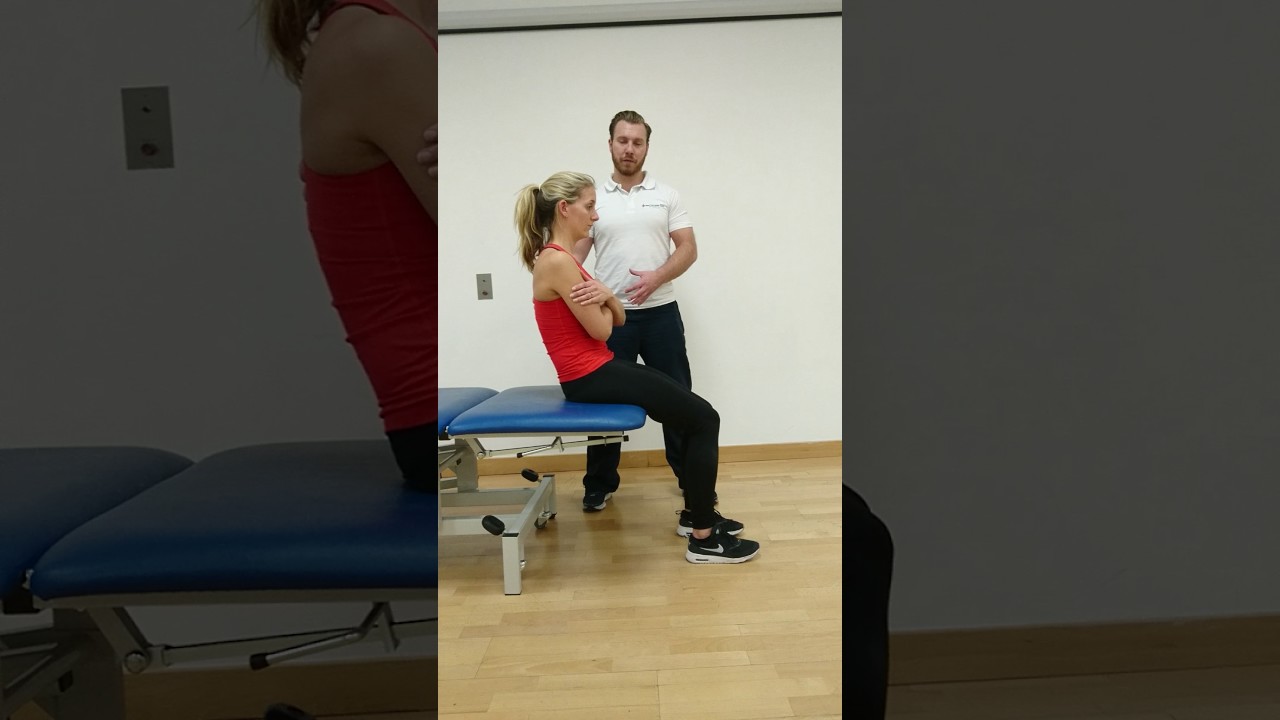
Research shows that many people spend years sitting with limited movement through the pelvis. Fortunately, pelvic tilts can help restore that mobility while activating your lower abs and deep stabilizing core muscles.
How to do it:
- Sit near the front edge of a sturdy chair with both feet flat on the floor.
- Sit tall with your shoulders relaxed and your core engaged.
- Tuck your pelvis underneath you, allowing your lower back to round slightly.
- Pause for one to two seconds and feel your ab muscles engage.
- Slowly tilt your pelvis forward to create a small natural arch in your lower back.
- Move back and forth between positions in a slow, controlled manner.
- Complete 10 to 12 reps.
2. Seated Marches
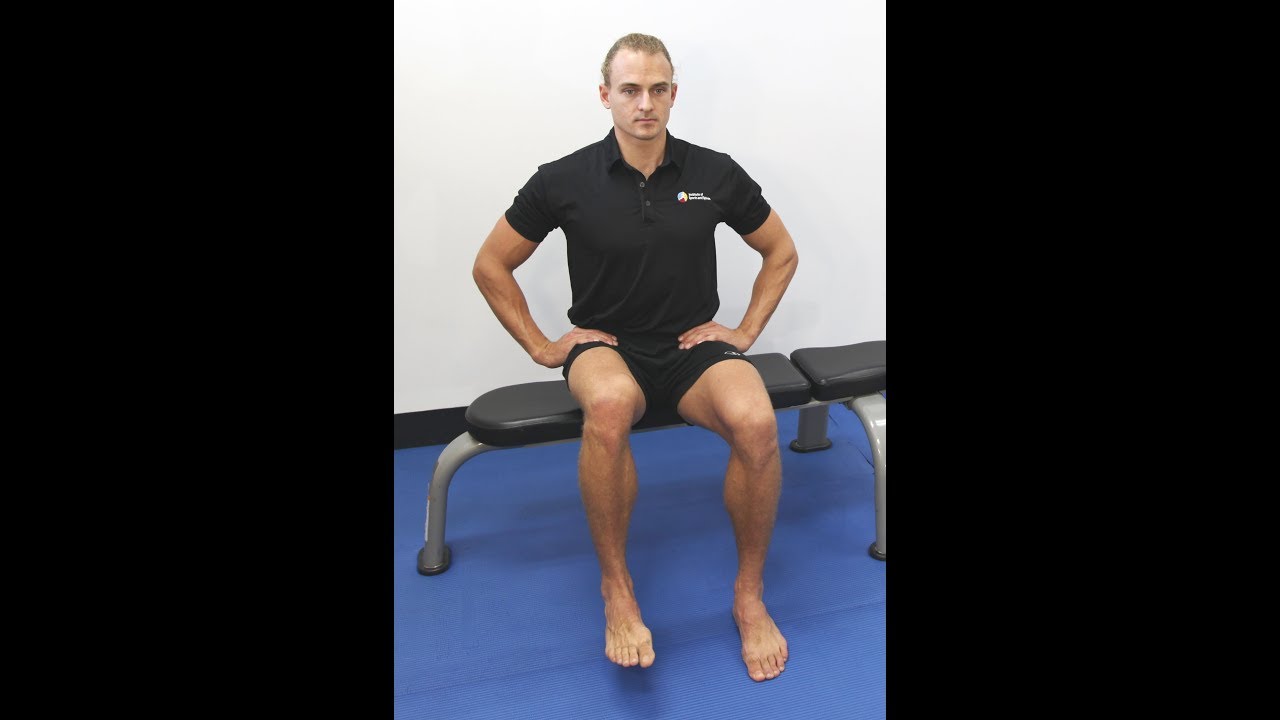
Seated marches challenge your core stability while introducing movement through your hips. Because you’re lifting one leg at a time without leaning backwards, your deep core muscles are forced to work to stabilize your torso throughout the exercise.
How to do it:
- Sit tall with both feet flat on the floor.
- Grip the sides of the chair lightly.
- Engage your core and maintain an upright posture.
- Lift your right knee toward your chest as high as comfortably possible.
- Lower your foot back to the floor with control.
- Repeat on the left side without leaning backwards.
- Continue alternating sides in a slow marching pattern.
- Complete 10-12 marches per leg.
3. Seated Knee Extensions
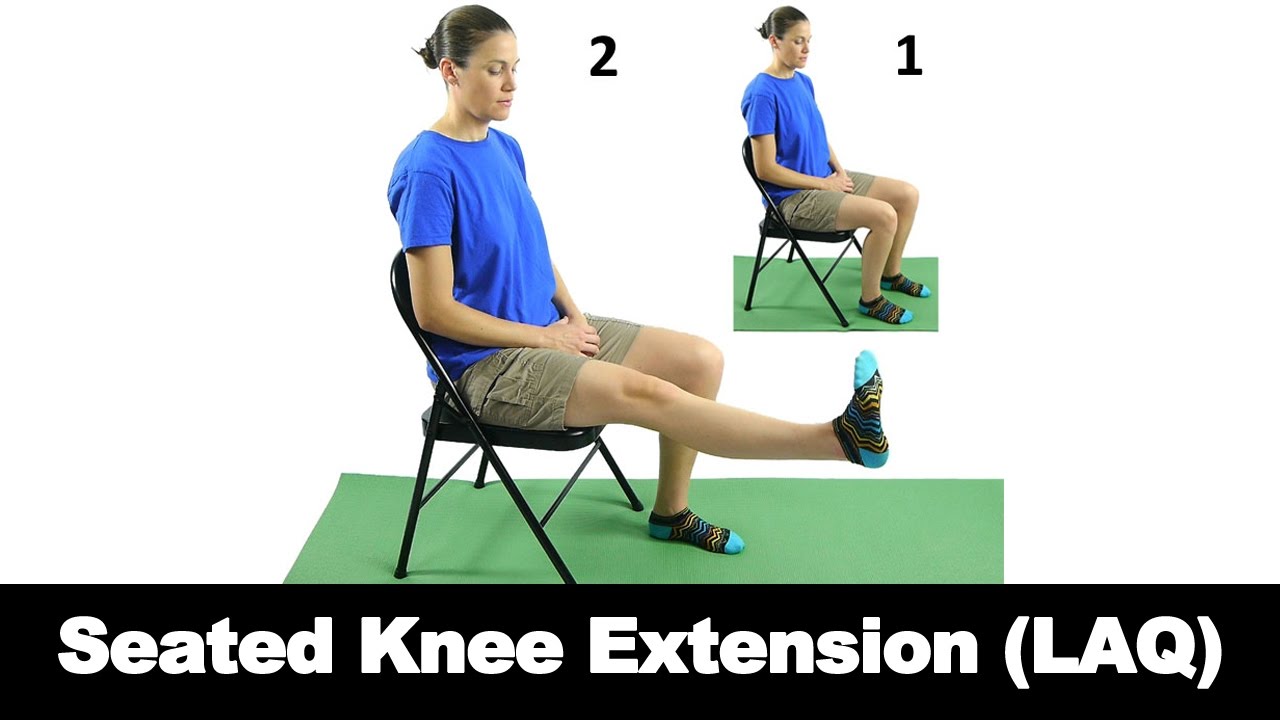
According to studies, strong quads are essential for standing up from a chair, climbing stairs, and walking safely. This exercise strengthens the front of your thighs while requiring your core to stabilize your body during the movement.
How to do it:
- Sit upright in a chair with both feet planted firmly on the floor.
- Flex your core and keep your chest lifted.
- Slowly extend your right leg until it’s straight.
- Flex your foot slightly and pause for one to two seconds.
- Avoid leaning backwards or slouching.
- Lower your leg slowly back to the starting position.
- Repeat on the opposite side.
- Complete 10 reps per leg.
4. Seated Spine Twist
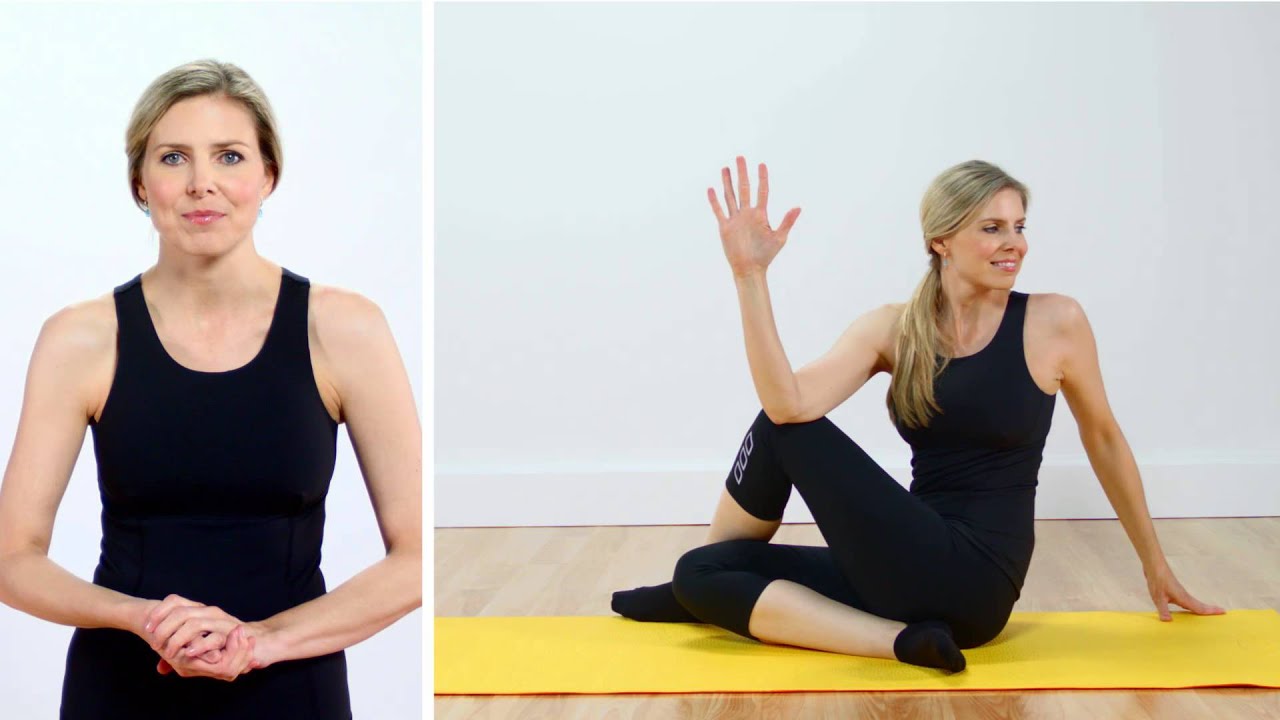
Your rotational mobility tends to decline with age, especially for those who spend long periods sitting. The good news is that the seated spine twist can help improve mobility through the thoracic spine while strengthening your obliques (side abs) and deep stabilizing core muscles that improve posture.
How to do it:
- Sit tall near the front edge of your chair.
- Cross your arms over your chest.
- Engage your ab muscles and sit as upright as possible.
- Slowly rotate your torso to the right.
- Pause for one to two seconds at the end of your range of motion.
- Return to the center position with control.
- Repeat on the left side.
- Complete 8 to 10 rotations per side.
5. Seated Toe Taps
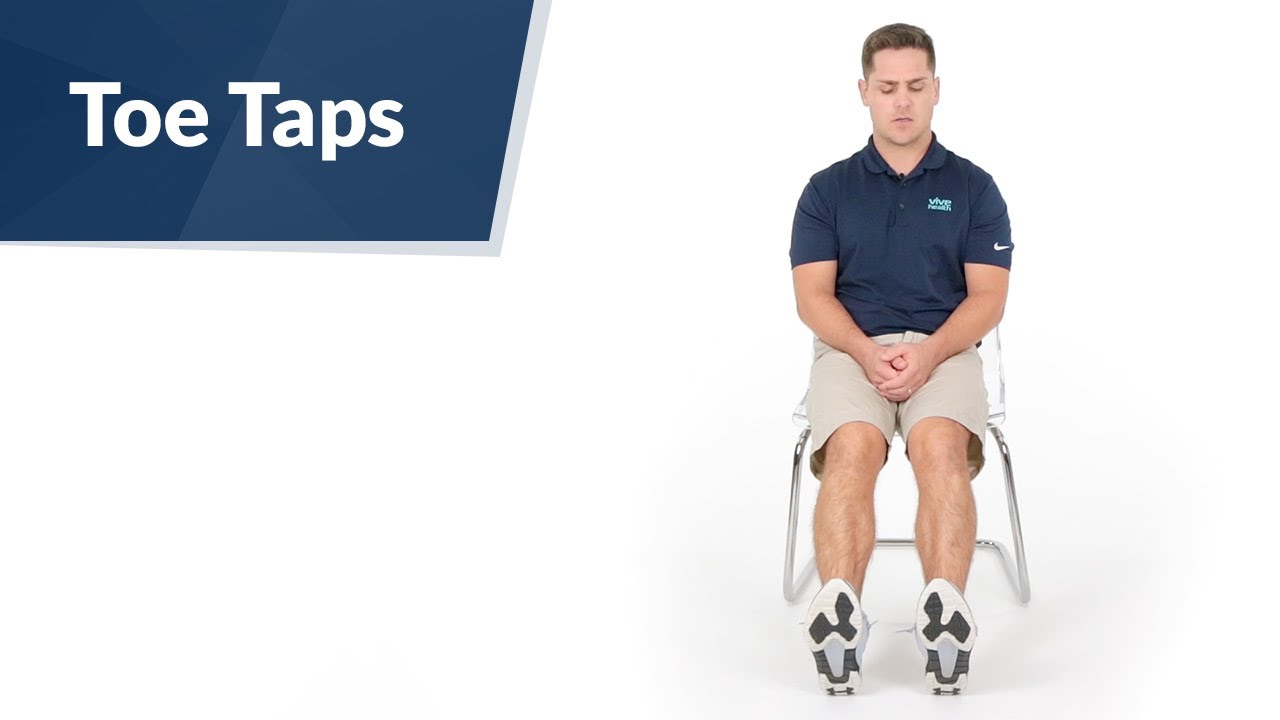
The slight backward lean involved during seated toe taps shifts more work onto your lower abs and deep core stabilizers, helping to improve endurance and control. Many older adults find that exercises like this improve awareness of posture and core engagement during daily activities.
How to do it:
- Sit tall with your feet flat on the floor.
- Lean back slightly while keeping good posture.
- Engage your core and avoid rounding your shoulders.
- Lift your right foot a few inches off the floor.
- Tap your toes back to the ground.
- Lift your foot again and continue the movement slowly.
- Alternate sides while maintaining control.
- Complete 10 to 12 taps per leg.
6. Seated Side Bends
Seated side bends strengthen your obliques while improving mobility throughout your torso. This movement also helps develop awareness of side-to-side control, which helps improve balance and coordination.
How to do it:
- Sit upright with both feet planted on the floor.
- Place your right hand behind your head.
- Keep your chest lifted and your core flexed.
- Slowly bend your torso to the left.
- Pause for one to two seconds at the bottom of the movement.
- Return to the starting position with control.
- Complete all reps before switching sides.
- Perform 8 to 10 reps per side.
More from Tom's Guide
- Not sit-ups, planks, or crunches: I do this simple Pilates exercise every single day to build a strong and stable core and work on my hip flexor mobility
- Not sit-ups or lunges — I use this simple Pilates exercise to sculpt strong obliques, inner thighs and hip stabilizers
- 'I’m a Pilates instructor, and I recommend these 5 core exercises to help older clients build strength and improve posture'

Follow Tom's Guide on Google News and add us as a preferred source to get our up-to-date news, analysis, and reviews in your feeds.