




Mobility plays a crucial role in how comfortably we move through everyday life. As we get older, joints can naturally become stiffer, and muscles may lose some flexibility, which can make simple activities like bending, walking, or reaching feel more difficult than they once did.
The good news is that maintaining mobility doesn’t require long workouts or complicated routines. Just a few targeted movements performed regularly can go a long way toward keeping your joints moving well.
That’s the idea behind this simple 10-minute mobility routine, created by physical therapist Monique Caruth of the American Physical Therapy Association. Designed to be quick, accessible, and easy to repeat daily, the routine focuses on gentle movements that support joint health and improve the way your body moves.
Whether you’re dealing with stiffness or simply want to stay active and independent as you age, this routine is a great starting point.
Why is mobility important as we age?
“Staying mobile as we age is key to keeping everyday movements — like reaching overhead, bending down to pick something up — comfortable,” Caruth says.
Mobility is a key part of the work Caruth does at the American Physical Therapy Association, where they teach controlled exercises to help joints keep moving freely. According to Caruth, short routines like the one below are particularly effective for improving mobility because they’re easy to repeat consistently — and consistency is what helps maintain joint health over the long term.
The sequence takes around 10 minutes and can be performed daily. Complete each exercise before moving on to the next.
1. Sidewalking
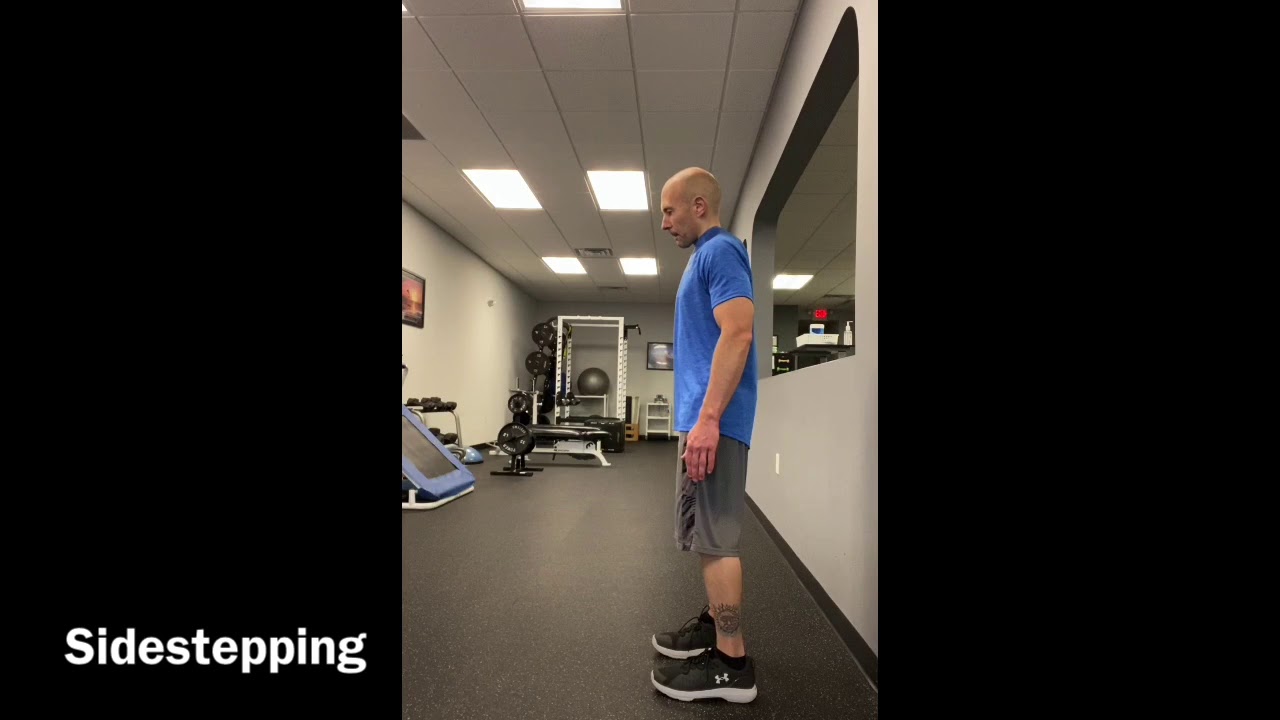
Side-stepping activates the muscles along the outer hips, which help stabilize the knees, ankles and spine while you walk. Strengthening these muscles can improve balance and support better joint alignment over time.
- Stand upright with your feet hip-width apart.
- Step sideways to the right for 10 steps.
- Keep your torso upright and your steps controlled.
- Step back to the left for another 10 steps.
- If you need support, lightly rest your hands on a counter or sturdy table.
- To progress the movement, place a resistance band around your thighs just above the knees.
2. Abdominal drawing-in
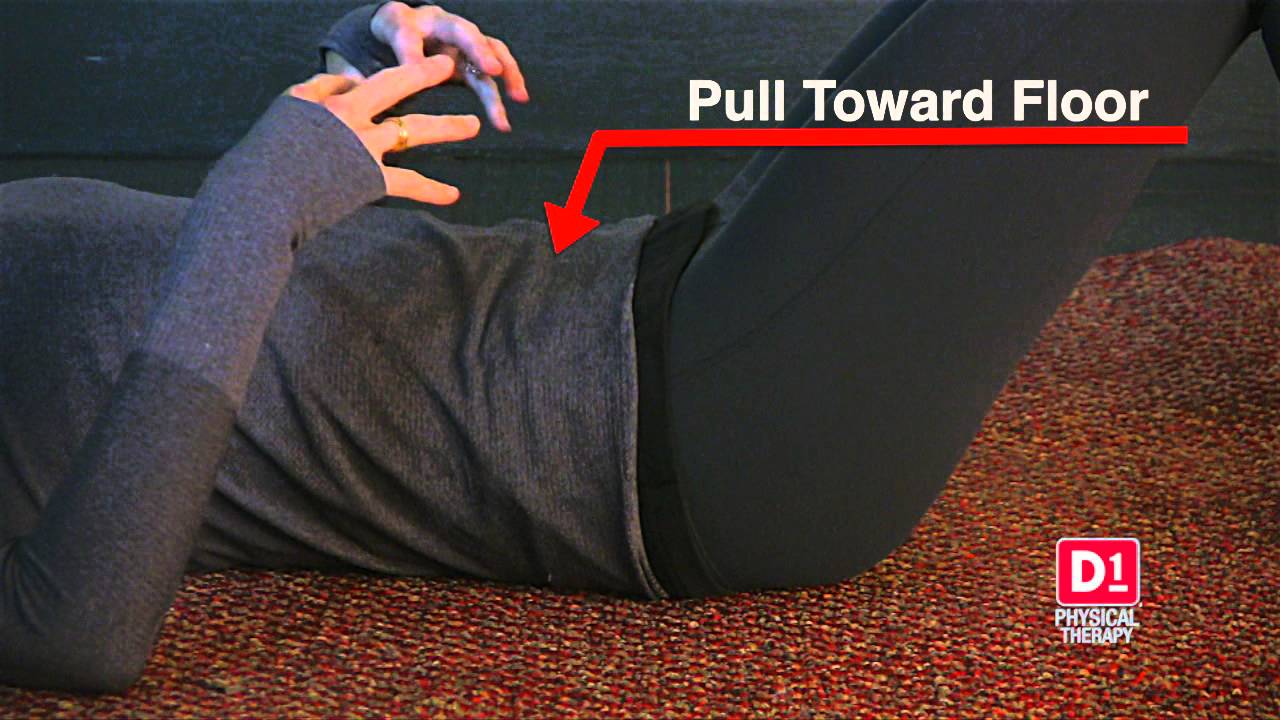
This simple exercise activates the deep abdominal muscles that support the spine. Strengthening these muscles can help reduce strain on the lower back and improve overall stability.
- You can do this sitting, standing, or lying down.
- Gently draw your belly button inward toward your spine.
- Continue breathing normally while holding the contraction.
- Hold for around three seconds.
- Relax and repeat the movement 10 times.
3. Stand up and sit down
This movement strengthens the hips, thighs, and glutes — muscles that are essential for everyday activities like getting out of a chair, climbing stairs and walking.
- Sit on a sturdy chair without armrests.
- Place your feet flat on the floor, hip-width apart.
- Stand up slowly in a controlled motion.
- Lower yourself back down to the chair with control.
- Perform five slow repetitions.
- Then repeat the movement slightly faster for another five reps.
- Use your hands for support if needed, gradually aiming to rely on them less.
4. Front and back stepping
This coordination drill helps improve balance and movement control — two important factors for preventing trips and falls as we age.
- Stand beside a sturdy surface like a kitchen counter or chair for support.
- Cross your right leg in front of your left and briefly balance on the right foot.
- Step your left foot out to the side.
- Next, cross your right leg behind your left and balance again on the right foot.
- Step your left foot out to the side once more.
- Repeat this sequence two more times.
- Then switch directions and repeat on the other side, starting with the left leg crossing in front.

More from Tom's Guide
Follow Tom's Guide on Google News and add us as a preferred source to get our up-to-date news, analysis, and reviews in your feeds.
- Not sit-ups, planks, or crunches: I do this simple Pilates exercise every single day to build a strong and stable core and work on my hip flexor mobility
- I’m a personal trainer who works with seniors — these are the 4 balance exercises I wish everyone would do before they turn 60, to build strength and stability
- Not sit-ups or lunges — I use this simple Pilates exercise to sculpt strong obliques, inner thighs and hip stabilizers

