A lot of factors go into running a successful marathon, and chief among them is doing a whole lot of training so your body is prepared to run the distance. Once you’ve done that, the next most important thing is getting your fueling right.
Even if you’ve trained perfectly and bought the best running shoes available, if you fail to give your body the fuel it needs to run 26.2 miles, you’re in for a bad time.
I’ve run 15 marathons, and I’ve fine-tuned my fueling strategy over the years after making plenty of mistakes in my early efforts. The best advice I got was to sort out a strategy well before race day, and then practice it on all my long training runs in the build-up to a race.
That’s number one on my list of marathon fueling dos and don’ts — hopefully these can steer you in the right direction for race day.
DO practice your fueling

The marathon rule of "nothing new on race day" applies to nutrition products just as much as it does to shoes and apparel.
You will be consuming a lot of sugary carbs on the run, and that is a tricky thing for the body to handle without gastrointestinal distress. You need to get used to it to minimize the risk of an unwanted extra stop during your marathon.
By practicing with the gels and other products you want to use on race day, you’ll get used to them and identify any that don’t agree with you, so you can swap them out and try something else well before the event itself.
This includes the breakfast you’re going to have on race morning — it all needs to be familiar stuff that you know settles in your stomach well.
DON’T go crazy on carbs the night before the marathon

Carb-loading before a marathon is important to ensure your energy reserves are full at the start of the race, but it's best to spread this out over your meals in the day leading up to the event.
If you have a humongous pasta dinner the night before, you’ll probably sleep badly and feel uncomfortable and sluggish on race morning. Trust me, I’ve been there.
I add a portion of carbs to each meal, like extra pasta or a bagel in the two days before the race, plus snacks like flapjacks in between those meals. I also try to eat an early dinner the day before the race, to give a bit more time for digestion before I go to bed.
DO take in carbs regularly in the race

Carbs are your main source of energy when exercising vigorously, and I think we can count a marathon as vigorous exercise. You’ll deplete your reserves of carbs after about 90 minutes of running.
That means you need to take some during the race, which people usually do by eating energy gels or drinking high-carb mixes — I prefer the latter myself and use Maurten’s Drink Mix 320 for most of my mid-race carbs.
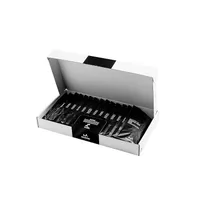
Topping up your carbs every 20-40 minutes during the race is a good general guide to go by, but practice will reveal if that’s too much for you, or you might even aim for more if your stomach can handle it.
I take in around 20-25g of carbs every 20 minutes or so during my marathons, but can only do that comfortably using drinks — when I tried it using only gels, I ended up in the Porta-Pottys on the side of the road. Everyone is different, and that’s why practice is important!
DO start fueling earlier than you feel you need to

Even fast-release carbs like those in gels and sports drinks take a while for your body to process, so you want to be taking them long before you feel like you’re running on empty.
I start taking on carbs three miles into a marathon and continue from there. This might be too early for you, and pushing to five miles might feel better, or go by time and start after 30-50 minutes.
The key is to get something into the body before you really start to need it, because by then it’s already too late.
DON’T gulp your carbs

Gels and sports drinks aren’t the most pleasant to consume, and you might want to just get it over with so you can focus on running, but downing your gel or drink in one is more likely to upset your stomach than sipping it slowly.
I force myself to sip my drink or gel over the course of a few hundred meters at least, and if it’s a particularly sticky, high-carb product, you might also want to sip water with it.
DO consider electrolytes as well

There is water on the course of most marathons, and my advice with that is to drink to thirst — I usually sip a little from each bottle I pass.
It’s also important to consider your electrolyte intake, because you’re going to be sweating out a lot of sodium in particular, and this needs replacing to avoid dehydration.
I use a high-strength electrolyte tab from Precision Fueling & Hydration in the morning with breakfast, and there is sodium in the Maurten energy products I use in the race.
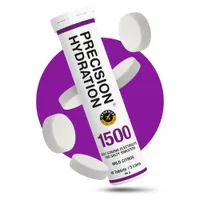
If it’s an especially hot day or you’re a naturally profuse sweater, you might want to take on more electrolytes during the event itself. You can carry a tablet with you to drop into the water on the course, or use salt pills.
DON’T just rely on what’s available on the course
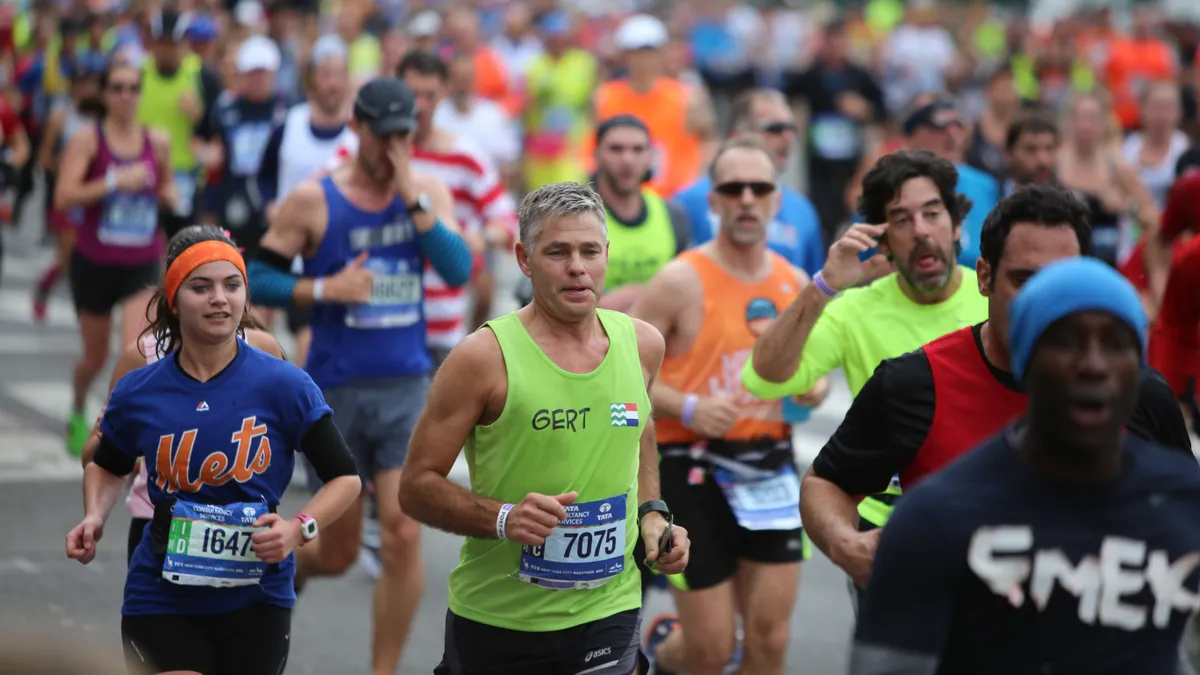
Many marathons will offer energy drinks and gels along the way, along with water, and I know a few runners who are perfectly happy to just pick up and consume whatever they find on the course to fuel their race.
This is a risk, though, because you won’t be used to the gels and drinks if you’ve not tried them before, and it’s surprisingly easy to miss a water station in the crowds of a marathon.
If you want to use the on-course products, it’s worth finding out what they are and using them in advance to practice — I did this once with Lucozade gels at the London Marathon. I’d still carry some of your own nutrition with you, though, to make sure you have what you need for the event.
DO consider how you carry your carbs

Even if you have quite a minimal fueling strategy, you need to carry your gels and/or drinks somehow. I like to use shorts with a built-in running belt that has multiple pockets, but you can also get a dedicated running belt or backpack for the day.
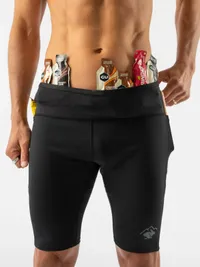
Whatever you use, it needs to be practiced with on your long runs as well, because a fully-loaded belt can bounce around or feel uncomfortable. You don’t want any unpleasant surprises on race day.
More workouts?

Follow Tom's Guide on Google News and add us as a preferred source to get our up-to-date news, analysis, and reviews in your feeds.
More from Tom's Guide